Bitcoin isn't backed by gold, governments, or physical assets—yet it trades for tens of thousands of dollars. This puzzles many newcomers to cryptocurrency. How can digital code have real value? TheBitcoin isn't backed by gold, governments, or physical assets—yet it trades for tens of thousands of dollars. This puzzles many newcomers to cryptocurrency. How can digital code have real value? The
Bitcoin isn't backed by gold, governments, or physical assets—yet it trades for tens of thousands of dollars.
This puzzles many newcomers to cryptocurrency. How can digital code have real value?
The answer lies in Bitcoin's unique combination of scarcity, security, and utility. In this guide, you'll discover exactly what gives Bitcoin its worth, how it compares to traditional money, and the risks every investor should understand before buying BTC.
Key Takeaways
Bitcoin derives value from its fixed supply of 21 million coins, decentralized network, and blockchain security rather than government backing.
The halving mechanism cuts new Bitcoin production in half every four years until the final coin is mined around 2140.
Unlike fiat currencies subject to inflation, Bitcoin's hard-coded scarcity makes it resistant to devaluation.
Bitcoin operates through thousands of global nodes without central authority, making it censorship-resistant and politically neutral.
While price volatility and energy consumption remain challenges, Bitcoin has survived 15 years of government bans and market crashes.
The 2024 SEC approval of spot Bitcoin ETFs marked mainstream financial acceptance despite ongoing regulatory uncertainty.
Only 21 million Bitcoins will ever exist. This limit is hardcoded into Bitcoin's protocol and cannot be changed.
Unlike fiat currencies that central banks can print endlessly, Bitcoin's supply is mathematically guaranteed. Every four years, Bitcoin undergoes a "halving" event that cuts new coin production in half. This process continues until around 2140, when the last Bitcoin will be mined.
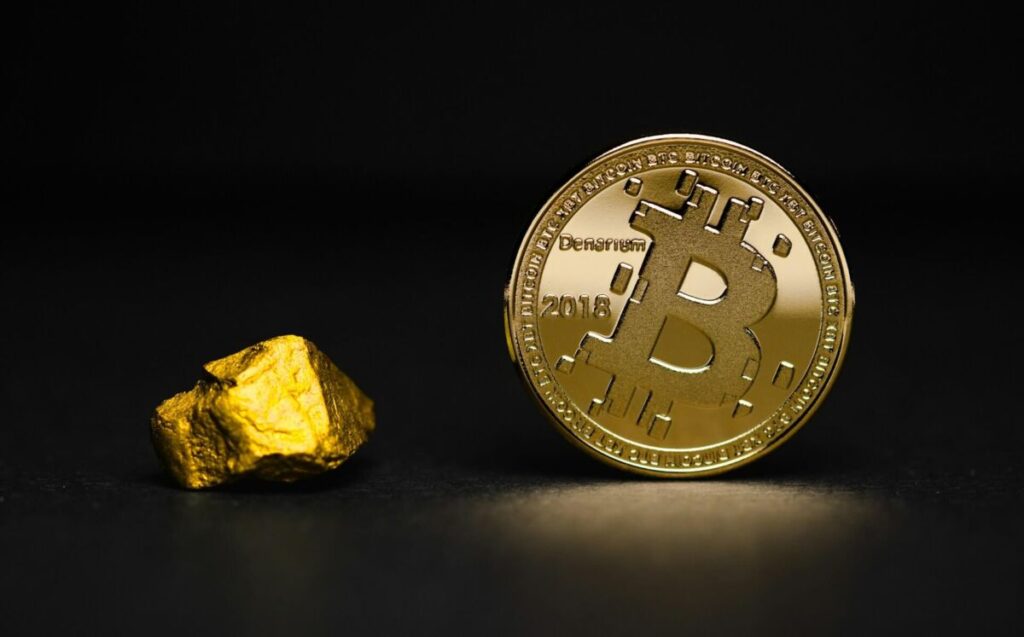
This scarcity mirrors gold but with greater certainty. While miners can discover new gold deposits, nobody can create more Bitcoin beyond the predetermined schedule.
No government, company, or individual controls Bitcoin. The network operates through thousands of independent computers worldwide called nodes.
This decentralization means no single authority can manipulate the money supply, freeze accounts, or censor transactions for those who maintain self-custody of their Bitcoin.
Bitcoin was created in 2009 specifically to operate without trusted third parties. Its anonymous creator, Satoshi Nakamoto, disappeared after launching the network, ensuring no central figure could influence its direction.
Every Bitcoin transaction is permanently recorded on a public ledger called the blockchain. Anyone can verify this ledger at any time.
Bitcoin uses Proof-of-Work mining to secure the network. Thousands of miners compete to solve complex mathematical puzzles, and whoever solves it first adds the next block of transactions. To successfully attack Bitcoin, a hacker would need to control 51% of all mining power—an extremely expensive and difficult feat.
After 15 years of operation, Bitcoin's blockchain has never been hacked. This track record builds trust without requiring faith in any institution.
Bitcoin isn't just a speculative asset—it solves real problems. People use it to send money across borders without expensive intermediaries like banks or Western Union.
In countries with unstable currencies like Argentina or Venezuela, citizens turn to Bitcoin to preserve their wealth against inflation. The cryptocurrency operates 24/7 with no holidays, unlike traditional banking systems.
As major companies and payment processors have begun supporting Bitcoin transactions, they've validated its utility beyond speculation.This growing adoption increases demand while supply remains fixed, driving up value.
The US dollar, euro, and other modern currencies are called "fiat" currencies. They have value because governments declare them legal tender and enforce their use through law.
You trust that dollars will buy groceries tomorrow because everyone else accepts them, and the government requires taxes to be paid in dollars. This creates a cycle of acceptance and utility.
But fiat currency has no intrinsic value—it's just paper or digital numbers backed by trust in government stability.
For centuries, currencies were backed by physical gold reserves. Governments held gold in vaults and issued paper notes redeemable for fixed amounts of gold.
This system ended in 1971 when the United States abandoned the Bretton Woods Agreement. Governments wanted flexibility to print money during economic crises and wars, something gold-backed currency prevented.
Since abandoning the gold standard, many critics argue that governments have printed excessive money, leading to inflation that erodes purchasing power. The COVID-19 pandemic saw massive money printing worldwide, causing severe inflation across major economies.
Bitcoin brings back "sound money" principles that gold once provided—scarcity and durability—but in digital form.
Unlike fiat currency, Bitcoin cannot be inflated away by government decisions. Unlike gold, Bitcoin doesn't require physical vaults or armored trucks for transport. You can carry millions of dollars worth of Bitcoin across any border with just a password in your head.
This combination of digital convenience and monetary hardness creates value that neither pure fiat nor physical gold can match.
Bitcoin launched in 2009 as the first cryptocurrency. This head start built the largest, most secure network in crypto history.
More miners secure Bitcoin than any other cryptocurrency. More people recognize the Bitcoin brand than any alternative. More businesses accept BTC for payments than other digital currencies.
The first real-world Bitcoin transaction happened in 2010 when developer Laszlo Hanyecz paid 10,000 BTC for two pizzas. From that moment, Bitcoin established itself as money with real purchasing power.
Many newer cryptocurrencies offer features Bitcoin lacks—smart contracts, faster transaction speeds, lower fees. But Bitcoin's developers deliberately focus on one goal: being the best form of money.
This singular purpose creates reliability. Bitcoin changes slowly and carefully, prioritizing security over experimentation. While other cryptocurrencies frequently update their protocols and sometimes suffer bugs or exploits, Bitcoin maintains consistent rules that users can depend on.
The network processes about seven transactions per second, much slower than alternatives. But this deliberate pace contributes to its unmatched security record.
Bitcoin has survived government bans, major exchange collapses, countless predictions of its death, and extreme price crashes. Each time it recovers, confidence in its resilience grows.
The Lindy Effect suggests that the longer something has existed, the longer it's likely to continue existing. Bitcoin's 15-year track record gives it credibility that newer cryptocurrencies lack.
When China banned Bitcoin mining in 2021, the network adjusted within months. When major exchanges like Mt. Gox collapsed, Bitcoin continued operating. This demonstrated that the network doesn't depend on any single country, company, or individual.
Bitcoin isn't without significant drawbacks that every investor should understand before buying.
Price volatility remains Bitcoin's biggest challenge as a currency. The price can swing 10% or more in a single day, driven by speculation, news headlines, and market sentiment. This makes Bitcoin difficult to use for everyday purchases—your morning coffee shouldn't cost dramatically different amounts from one day to the next. While long-term holders believe this volatility will decrease as the market matures, it currently prevents mainstream adoption as a payment method.
Environmental concerns around Bitcoin mining are legitimate and substantial. The Proof-of-Work system requires massive amounts of electricity—comparable to entire countries like Argentina or Norway according to some estimates. Mining operations generate significant electronic waste as specialized equipment rapidly becomes obsolete. Critics argue this environmental cost is too high, though supporters counter that Bitcoin increasingly uses renewable energy and that traditional banking systems also consume enormous resources.
Regulatory uncertainty adds another layer of risk. Governments worldwide are still determining how to classify and regulate Bitcoin. Some countries have banned it entirely, while others embrace it. The Securities and Exchange Commission's approval of spot Bitcoin ETFs in the United States marked a major milestone, but many regulatory questions remain unanswered. Skeptics also note that Bitcoin has yet to fulfill its original promise as an everyday payment system, remaining primarily a speculative investment after 15 years.
Bitcoin has value because it combines mathematical scarcity with real utility, secured by the world's most powerful decentralized computing network.
Why does Bitcoin have so much value?
Growing institutional adoption, limited supply of 21 million coins, and increasing demand from investors seeking alternatives to fiat currency drive Bitcoin's high price.
What is Bitcoin and why does it have value?
Bitcoin is a decentralized digital currency that operates without banks or governments, deriving value from its fixed supply, security, and usefulness for borderless transactions.
Why does a Bitcoin have value?
Each bitcoin has value because people collectively agree it's useful as money and trust its blockchain technology to securely record ownership and transfers.
Bitcoin's value stems from what traditional money lacks: absolute scarcity, decentralized control, and transparent security. Whether you view it as digital gold or a speculative bubble depends on your belief in its long-term potential.
After 15 years of surviving bans, crashes, and competition, Bitcoin has proven more resilient than critics expected. While volatility and environmental concerns remain valid criticisms, growing adoption by institutions and individuals continues validating its role in the global financial system.
For those considering buying Bitcoin on platforms like MEXC, understand both the revolutionary technology and the real risks before investing.