

This Dividend Portfolio Pays More Than Social Security and a Part-Time Job Combined
The post This Dividend Portfolio Pays More Than Social Security and a Part-Time Job Combined appeared first on 24/7 Wall St..
- Choosing between dividend growth and high yield determines whether your retirement portfolio compounds wealth or slowly erodes it against inflation.
- Are you ahead, or behind on retirement? SmartAsset's free tool can match you with a financial advisor in minutes to help you answer that today. Each advisor has been carefully vetted, and must act in your best interests. Don't waste another minute; learn more here.
The average retired worker receives about $24,000 a year from Social Security. Add a modest part-time job, the kind many retirees take for supplemental income rather than career advancement, and total annual income often lands somewhere between $40,000 and $45,000 before taxes. For millions of retirees, that combination defines the retirement budget.
A portfolio can generate the same cash flow without a work schedule, a commute, or a supervisor. The trade-off is that replacing even a relatively modest retirement income requires more capital than most people expect. The amount depends entirely on the yield. A conservative portfolio may require well over $1 million to produce the necessary income, while a higher-yield portfolio can reach the same target with substantially less. Understanding that trade-off is the first step in determining how much capital is needed to replace a paycheck with investment income.
The conservative path: dividend growers near 3%
At a portfolio yield around 3.5%, you need $1,200,000 invested to generate $42,000 a year. That is the price of buying the most reliable income stream on the market.
The anchors here are the Dividend Kings. Johnson & Johnson (NYSE:JNJ) yields about 2.3% and just approved its 64th consecutive annual raise, lifting the quarterly payout to $1.34. Procter & Gamble (NYSE:PG) yields around 3% and has paid a dividend every year since 1890. Coca-Cola (NYSE:KO) yields roughly 2.7% with a 60-plus year increase streak.
The tradeoff is capital intensity. You front the most cash, but the income stream grows faster than inflation and the underlying businesses tend to appreciate. JNJ shares are up about 55% over the past year alone.
The moderate path: a blended yield near 5%
Step the yield up to 5% and the capital requirement drops to $840,000 for the same $42,000. That is $360,000 less in required savings, which for most retirees is the difference between “maybe” and “done.”
This is the natural home of REITs and high-yield blue chips. Realty Income (NYSE:O) yields about 5.4% and has now strung together 114 consecutive quarterly increases, paid monthly. Verizon (NYSE:VZ) yields roughly 6.2% and trades at a forward P/E of 9. An equal-weight basket of the six tickers in this article blends to roughly 4.2%, which lands you between the conservative and moderate tiers without much effort.
The catch is dividend growth slows. Realty Income raised its monthly payout by less than a penny over the last 12 months, from $0.2685 to $0.2705. That is income without growth.
The aggressive path: high single-digit and double-digit yields
Push into the 8% to 12% range, populated by covered-call ETFs, BDCs, mortgage REITs, and high-yield bond funds, and the capital requirement drops to roughly $420,000 at a 10% yield. Altria (NYSE:MO) sits on the edge of this tier with a 6% yield and a quarterly payout of $1.06. Pure aggressive-tier vehicles tend to cap upside, distribute return of capital, and erode principal over long stretches. You are spending the asset rather than living off its growth.
The dividend snowball you don’t want to ignore
Current yield grabs attention because it is easy to measure. Income growth is harder to see because its impact shows up years later. Yet over a long retirement, the ability of a company to raise its payout can matter more than the starting yield.
Consider two portfolios. One yields 3% today but increases its income stream by 7% to 8% annually. The other yields 10% but never raises its distribution. The second portfolio produces more cash immediately, but the first steadily closes the gap. Within about a decade, the growing income stream can double, while the static payout remains unchanged. Inflation does the rest of the work, gradually reducing the purchasing power of every dollar that fails to grow.
This is why many retirees favor companies with long records of dividend increases. A rising income stream helps preserve spending power and reduces the pressure to chase higher yields later in retirement. With the 10-year Treasury yielding roughly 4.5%, lower-yielding dividend portfolios must justify themselves through growth, durability, and long-term total return rather than current income alone.
Three homework assignments that could save you thousands
- Replace expenses rather than salary. Pull your last 12 months of spending. Most retirees need to replace only 70% to 80% of pre-retirement income. If your real number is $36,000 instead of $42,000, your capital requirement drops by roughly $170,000 at a 3.5% yield.
- Stress-test your yield against your tax bracket. Qualified dividends from JNJ, PG, KO, VZ, and MO get the long-term capital gains rate. REIT distributions from Realty Income are taxed as ordinary income. In the 22% federal bracket, that difference matters.
- Compare 10-year total return across strategies. Run a 3% dividend grower against a 10% high-yield fund over the same decade. The grower usually wins on income produced plus principal preserved. That is the trade you are actually making when you choose a tier.
If You’ve Been Thinking About Retirement, Pay Attention (sponsor)
Retirement planning doesn’t have to feel overwhelming. The key is finding expert guidance, and SmartAsset’s simple quiz makes it easier than ever for you to connect with a vetted financial advisor. Here’s how:
-
Answer a Few Simple Questions.
-
Get Matched with Vetted Advisors
-
Choose Your Fit
Why wait? Start building the retirement you’ve always dreamed of. Get started today! (sponsor)
The post This Dividend Portfolio Pays More Than Social Security and a Part-Time Job Combined appeared first on 24/7 Wall St..


You May Also Like

anthropic ipo may depend on us election as investor demand shifts market outlook
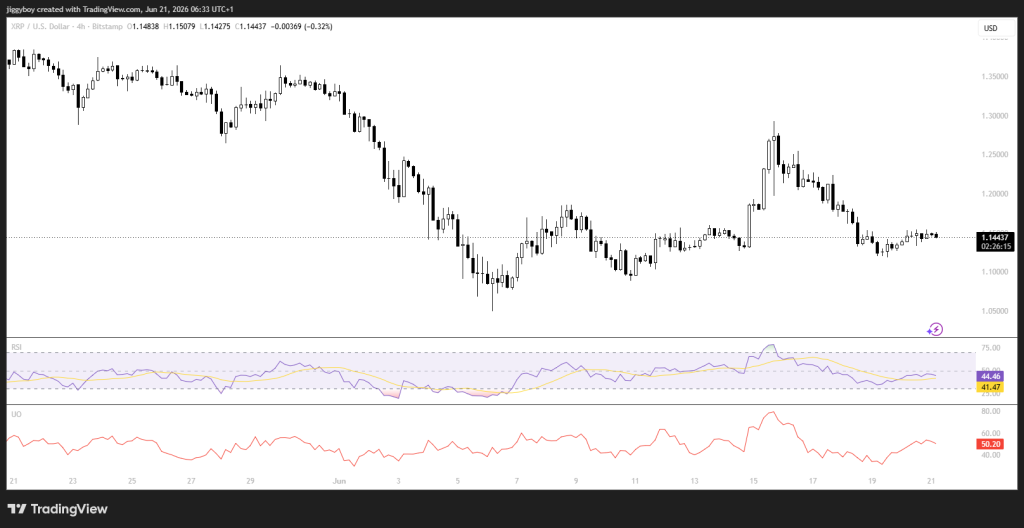
Crypto Price Prediction for Today, June 21: XRP, Ethereum (ETH), Monero (XMR)
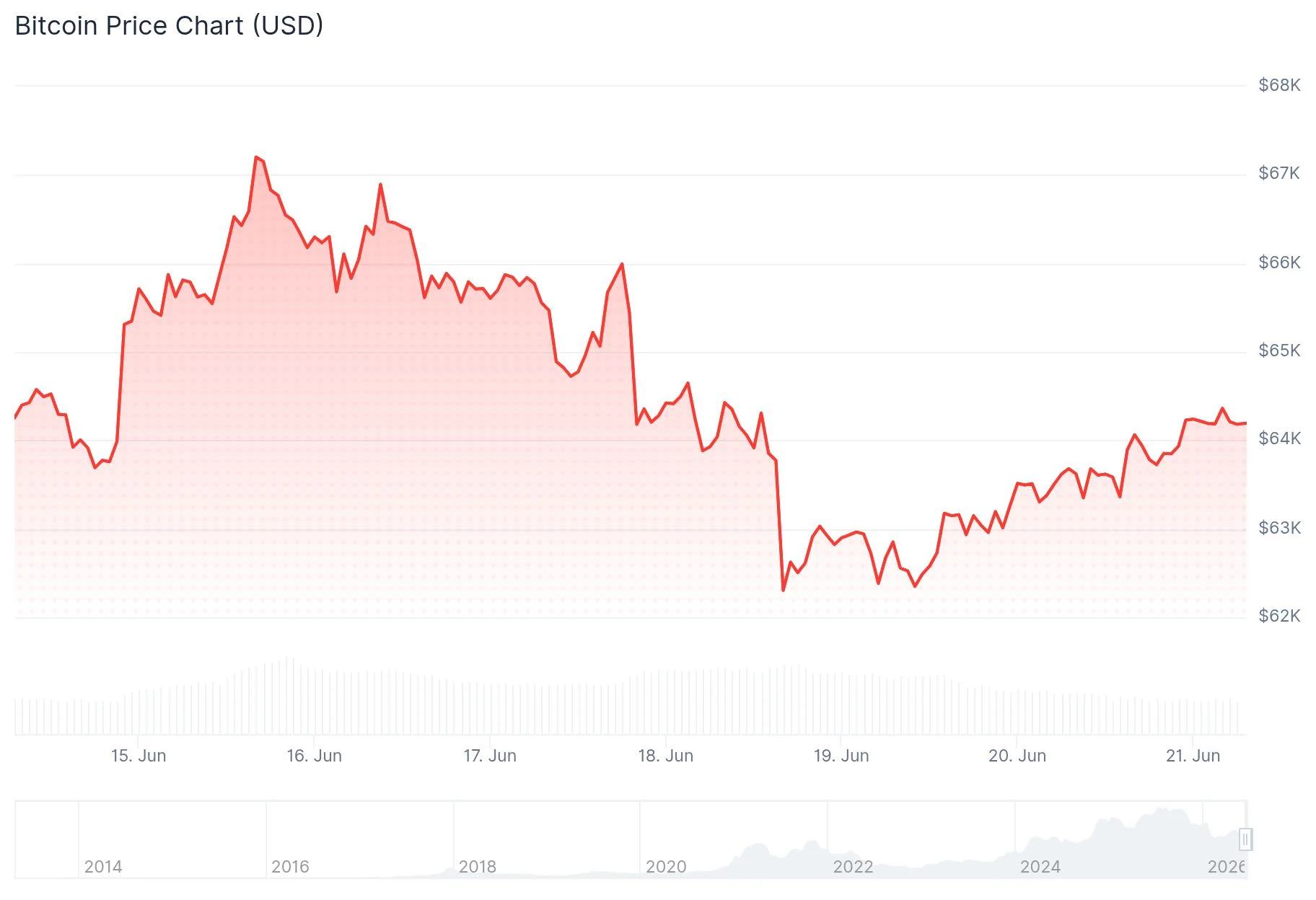
Bitcoin (BTC) Reclaims $64K Amid Switzerland Diplomacy — Critical Levels Ahead



