

US VP Vance: Strait of Hormuz Should Remain Toll-Free Long Term
BitcoinWorld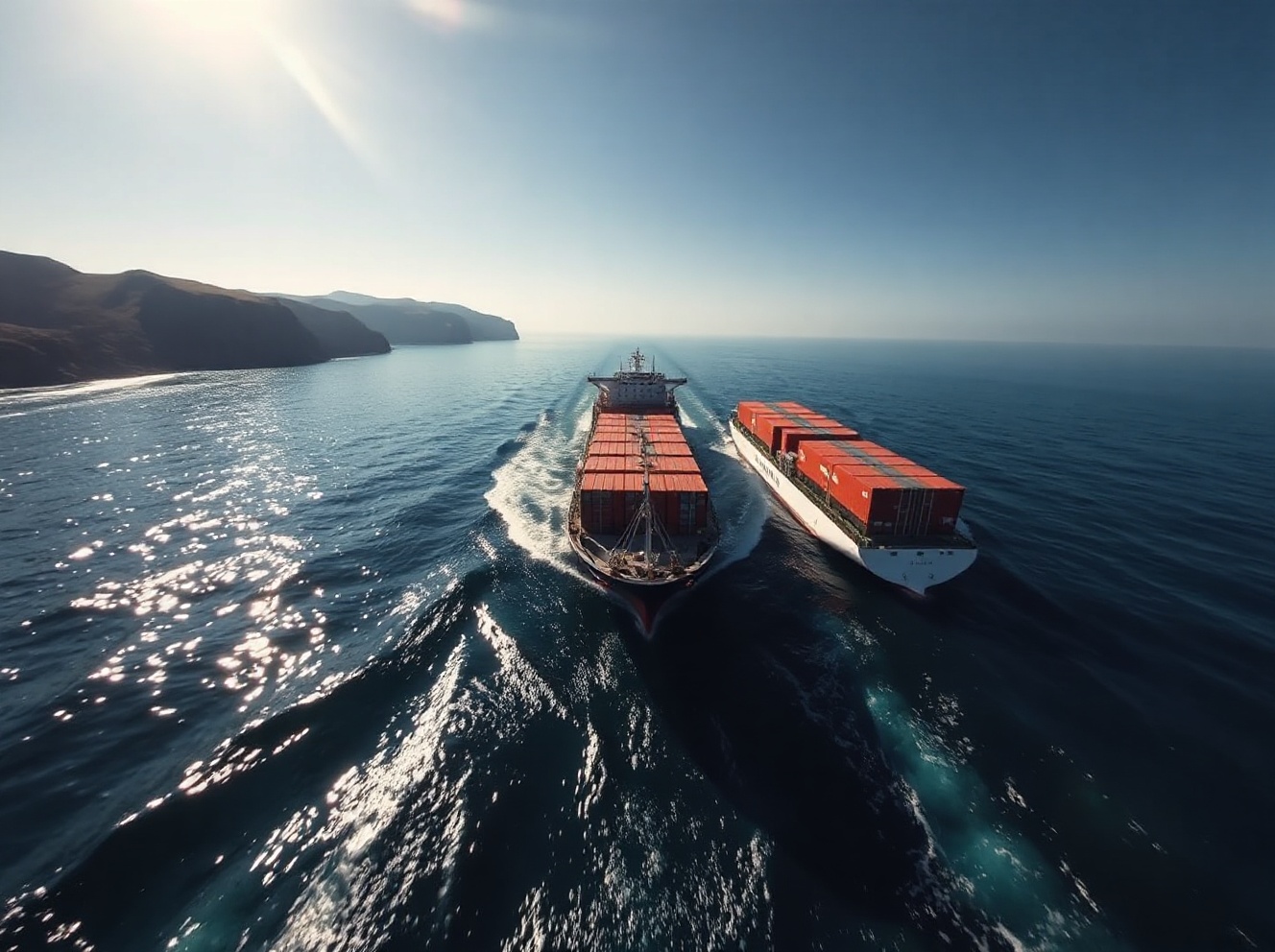
US VP Vance: Strait of Hormuz Should Remain Toll-Free Long Term
United States Vice President JD Vance has stated that the administration expects the Strait of Hormuz to remain open for toll-free passage over the long term, a position that carries significant implications for global energy markets and maritime security. The comment, made during a briefing on regional trade policy, underscores Washington’s commitment to ensuring the free flow of oil and goods through one of the world’s most strategically vital chokepoints.
Background and Strategic Importance
The Strait of Hormuz, a narrow waterway between Oman and Iran, connects the Persian Gulf with the Gulf of Oman and the Arabian Sea. Roughly 20% of the world’s total oil consumption passes through this channel daily, making it a linchpin of global energy supply. Any disruption or imposition of tolls could instantly raise crude prices and destabilize economies heavily reliant on Middle Eastern oil, including those in Asia and Europe.
Vance’s remarks signal a clear policy stance against any unilateral or multilateral attempts to levy fees on vessels transiting international waters. While no specific country has recently proposed such tolls, the statement appears preemptive, addressing growing discussions in some maritime forums about cost recovery for security and environmental monitoring in critical sea lanes.
Market and Geopolitical Implications
Oil markets reacted cautiously to the statement, with benchmark Brent crude holding steady near $78 per barrel. Analysts note that the assurance of toll-free passage removes a potential risk premium from prices in the near term. However, the broader geopolitical landscape remains complex. Iran, which controls the northern coast of the strait, has periodically threatened to restrict traffic as leverage in nuclear negotiations or regional conflicts.
The US Navy’s Fifth Fleet, based in Bahrain, maintains a continuous presence in the region to ensure freedom of navigation. Vance’s comments align with longstanding US policy that the strait is an international waterway under the United Nations Convention on the Law of the Sea, where innocent passage cannot be impeded.
What This Means for Shippers and Traders
For shipping companies and commodity traders, the US position provides operational clarity. No additional transit fees or bureaucratic hurdles are expected for vessels moving through the strait, keeping logistics costs predictable. Insurance premiums for war risk coverage in the region may also remain stable, as the political commitment to open access reduces perceived conflict probability.
Conclusion
VP Vance’s statement reaffirms a core tenet of US foreign policy: maintaining open and toll-free passage through the Strait of Hormuz. While the immediate market impact is muted, the long-term assurance supports global energy security and trade stability. Observers will watch for any reciprocal statements from regional powers, particularly Iran, and for any concrete actions that could test this commitment.
FAQs
Q1: Why is the Strait of Hormuz so important to global trade?
About 20% of the world’s oil and a significant volume of liquefied natural gas pass through the strait daily. Any disruption can cause major price spikes and supply shortages worldwide.
Q2: Has any country proposed tolls for the Strait of Hormuz before?
No formal toll system exists, but there have been discussions in international maritime forums about cost-sharing for security patrols and environmental monitoring. Iran has also made indirect threats to restrict passage in the past.
Q3: What is the legal status of the Strait of Hormuz under international law?
The strait is considered an international waterway under the United Nations Convention on the Law of the Sea, granting ships and aircraft the right of transit passage, which cannot be suspended or hindered by coastal states.
This post US VP Vance: Strait of Hormuz Should Remain Toll-Free Long Term first appeared on BitcoinWorld.


You May Also Like
If America wants to lead in crypto, it must protect the people who build it

Tokenized RWA Markets Remained Resilient During US-Iran Conflict – Bitget-Block Scholes Report

Iran’s foreign minister targeted in assassination attempt, wife killed



