Canadian Dollar Edges Higher on Softer Fed Outlook, But Oil Caps Gains
BitcoinWorld
Canadian Dollar Edges Higher on Softer Fed Outlook, But Oil Caps Gains
The Canadian dollar strengthened against its U.S. counterpart on Tuesday, supported by a shift in market expectations for Federal Reserve policy. However, the currency’s upside remained limited as rising crude oil prices introduced a counterbalancing dynamic for the commodity-linked loonie.
Fed Policy Outlook Shifts in Favor of the Loonie
Market participants have increasingly priced in a more accommodative stance from the Federal Reserve following recent economic data that pointed to cooling inflation and a softening labor market. This repricing has weighed on the U.S. dollar broadly, providing a tailwind for the Canadian dollar. The USD/CAD pair slipped below the 1.3700 level during the North American session, reflecting the greenback’s broader weakness.
According to CME Group’s FedWatch Tool, the probability of a rate cut at the Fed’s September meeting has risen to over 60%, up from roughly 40% a month ago. A less hawkish Fed reduces the interest rate advantage of the U.S. dollar, making currencies like the Canadian dollar more attractive to investors.
Oil Prices Rise but Limit Further CAD Gains
While a weaker U.S. dollar typically benefits the Canadian dollar, the simultaneous rise in crude oil prices introduced a complex dynamic. West Texas Intermediate (WTI) crude climbed above $80 per barrel on supply concerns tied to geopolitical tensions in the Middle East and ongoing production cuts by OPEC+.
Canada is a major oil exporter, and higher crude prices generally support the Canadian dollar by improving the country’s terms of trade. However, the relationship is not always linear. In the current environment, rising oil prices are also stoking fears of persistent inflation, which could prompt the Bank of Canada to maintain a cautious stance on its own monetary policy. This uncertainty has prevented the loonie from building on its gains against the greenback.
What This Means for Traders and Businesses
For forex traders, the USD/CAD pair remains sensitive to shifts in both monetary policy expectations and commodity price movements. The interplay between a dovish Fed and higher oil prices creates a nuanced trading environment where traditional correlations may not hold.
Canadian businesses that rely on cross-border trade are also affected. A stronger loonie reduces the cost of imported goods from the U.S., but it also makes Canadian exports more expensive for American buyers. Companies with exposure to both currencies should monitor the evolving policy landscape closely.
Conclusion
The Canadian dollar’s recent strength reflects a broader realignment of currency markets in response to changing Fed expectations. However, the rally is not without its limits. Rising oil prices, while supportive in theory, introduce inflationary risks that complicate the outlook for both the Bank of Canada and the loonie. Traders and businesses should remain attentive to upcoming economic data releases and central bank communications for further direction.
FAQs
Q1: Why did the Canadian dollar strengthen against the U.S. dollar?
A1: The Canadian dollar gained as markets priced in a more accommodative Federal Reserve policy, weakening the U.S. dollar broadly. This followed economic data suggesting cooling inflation and a softening labor market.
Q2: How do oil prices affect the Canadian dollar?
A2: Canada is a major oil exporter, so higher crude prices typically support the Canadian dollar by improving the country’s trade balance. However, rising oil prices can also fuel inflation concerns, which may complicate monetary policy decisions.
Q3: What is the outlook for USD/CAD?
A3: The pair remains sensitive to diverging monetary policies between the Federal Reserve and the Bank of Canada, as well as fluctuations in oil prices. Traders should watch for upcoming economic data and central bank statements for clearer direction.
This post Canadian Dollar Edges Higher on Softer Fed Outlook, But Oil Caps Gains first appeared on BitcoinWorld.
You May Also Like
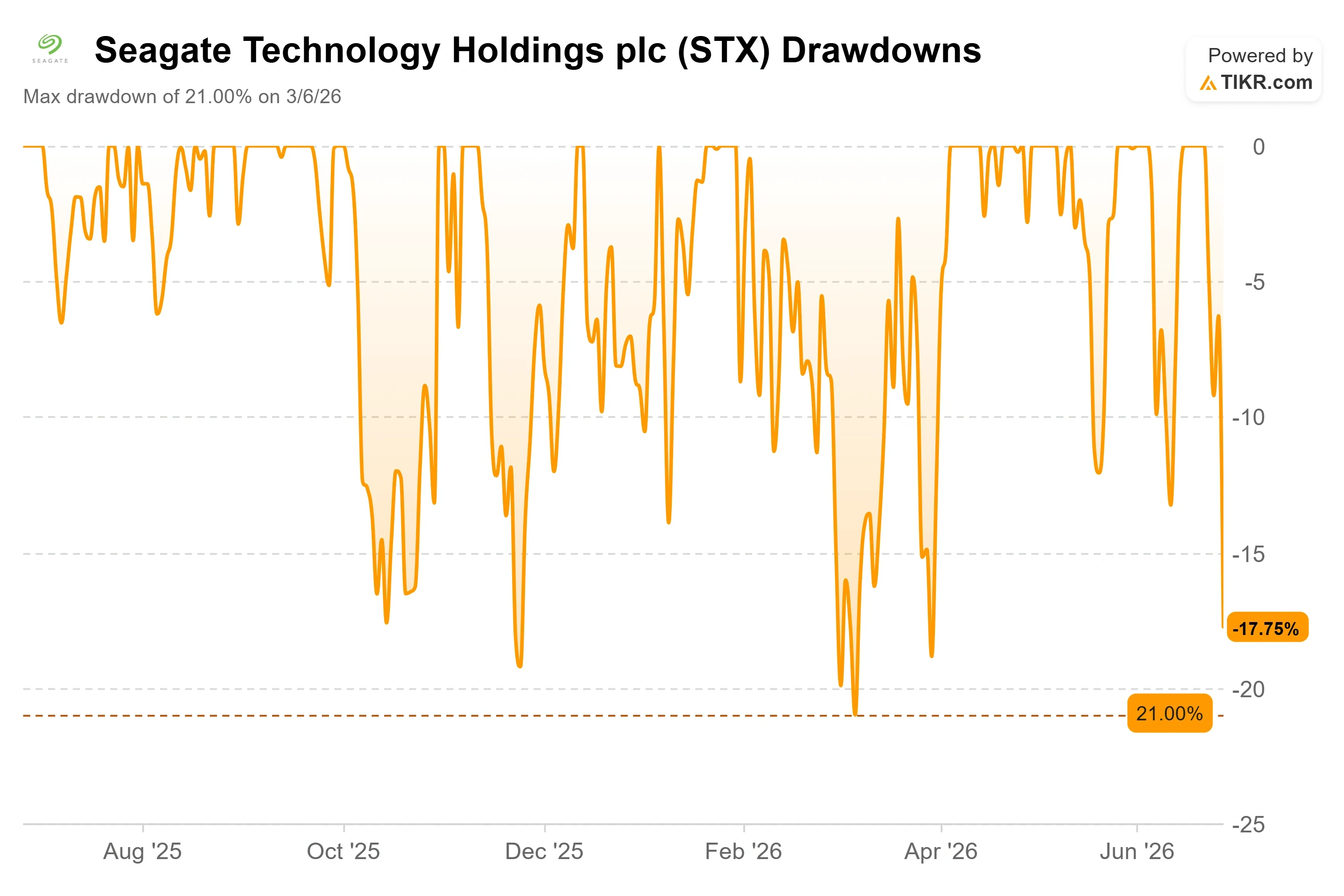
Seagate Stock Fell 12% in a Day. Here’s Where the Stock Could Go in 2026

George Conway and Mehdi Hasan deliver searing indictment of 'dumb' Trump’s presidency

BitMine Just 500K ETH Away From 5% Supply Goal