

Gold Price Recovery Surges Amid US-Iran Tensions and USD Consolidation: Expert Analysis
BitcoinWorld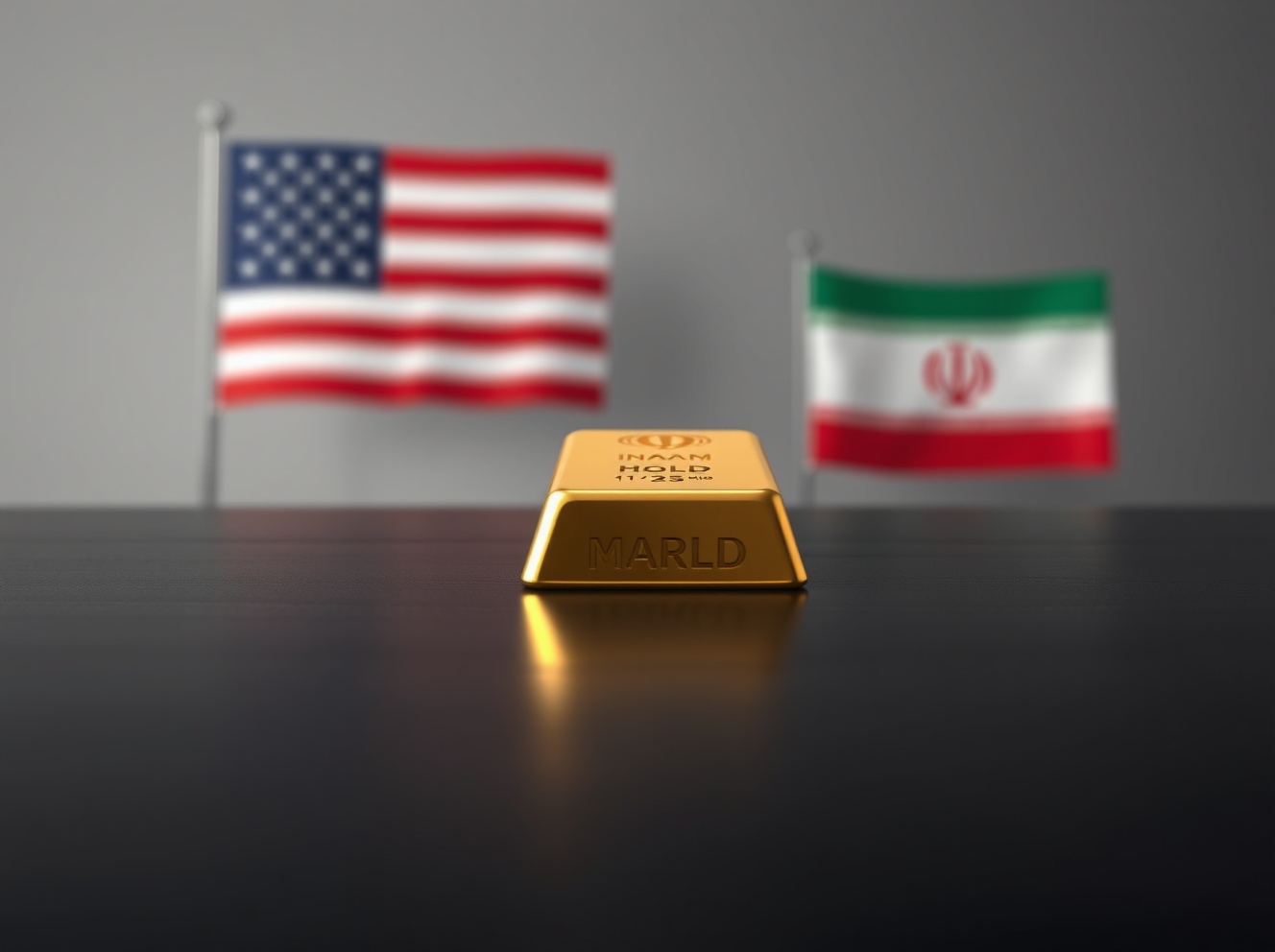
Gold Price Recovery Surges Amid US-Iran Tensions and USD Consolidation: Expert Analysis
Gold prices staged a notable recovery from their monthly low on Tuesday, as the US dollar consolidated its recent gains following the Federal Reserve’s latest policy signals. This shift in market dynamics coincides with escalating US-Iran tensions, which have reignited safe-haven demand for the precious metal. Investors are now closely monitoring geopolitical developments and central bank rhetoric for further direction.
Gold Price Recovery: Breaking Down the Key Drivers
The gold price recovery is primarily fueled by two opposing forces: a stabilizing US dollar and heightened geopolitical risk. After the Fed’s hawkish stance pushed the greenback to multi-week highs, profit-taking and position-squaring have allowed the dollar to consolidate. This pause in USD strength provides a tailwind for gold, which is priced in dollars.
Simultaneously, renewed tensions between the United States and Iran have pushed investors toward safe-haven assets. Reports of increased military posturing in the Persian Gulf and stalled nuclear negotiations have amplified uncertainty. Historically, gold prices rally during periods of geopolitical instability, as it is viewed as a store of value.
Market participants are now pricing in a higher probability of a prolonged conflict, which could disrupt global oil supplies and inflation expectations. This scenario further supports gold as a hedge against rising prices.
USD Consolidation Post-Fed: A Critical Factor for Gold
The USD consolidation phase follows a sharp rally triggered by the Federal Reserve’s updated economic projections. The Fed signaled it may keep interest rates higher for longer, which initially boosted the dollar. However, traders have since reassessed the pace of future rate hikes, leading to a pullback in USD strength.
This consolidation is crucial for gold. A weaker dollar makes gold cheaper for holders of other currencies, boosting demand. The correlation between the dollar index (DXY) and gold prices remains strong, with an inverse relationship typically observed.
- Dollar Index (DXY): Currently trading near 104.50, down from a weekly high of 105.20.
- Gold (XAU/USD): Recovered to $2,330 per ounce, up from a monthly low of $2,280.
- Fed Rate Expectations: Markets now see a 45% chance of a rate cut in September, down from 60% a week ago.
This tug-of-war between rate expectations and geopolitical risk is creating volatility. Traders should watch for any dovish shift in Fed commentary, which could accelerate the gold price recovery.
US-Iran Tensions: The Geopolitical Catalyst
The US-Iran tensions have escalated significantly over the past week. Reports indicate that the US has deployed additional naval assets to the region, while Iran has conducted military exercises near the Strait of Hormuz. These actions raise the risk of a direct confrontation, which could have severe implications for global energy markets.
Gold’s safe-haven appeal has been amplified by this uncertainty. In times of crisis, investors seek assets that are not correlated with traditional risk assets. Gold has historically outperformed during such periods.
Timeline of Recent Escalations
The following timeline highlights key events driving the current crisis:
| Date | Event |
|---|---|
| June 10 | US announces new sanctions on Iranian oil exports. |
| June 12 | Iran seizes a foreign tanker in the Gulf. |
| June 14 | US deploys aircraft carrier strike group to the region. |
| June 17 | Gold hits monthly low of $2,280. |
| June 18 | Gold recovers to $2,330 as tensions escalate. |
This pattern of escalation and de-escalation is typical of the US-Iran dynamic. However, the current trajectory suggests a higher probability of miscalculation, which could drive gold prices higher.
Safe-Haven Demand: Gold vs. Other Assets
Gold is not the only safe-haven asset benefiting from the current environment. The Japanese yen and Swiss franc have also strengthened, while US Treasury yields have fallen. However, gold remains the preferred hedge for many institutional investors due to its liquidity and lack of counterparty risk.
Central banks continue to be net buyers of gold, adding to its demand. The People’s Bank of China and the Reserve Bank of India have been particularly active, diversifying their reserves away from the US dollar.
- Central Bank Gold Purchases (Q1 2025): 289 tonnes, up 12% year-on-year.
- Gold ETF Inflows: $3.2 billion in May, the highest since April 2024.
- Gold Futures Positioning: Speculative long positions on COMEX increased by 15% last week.
These data points confirm that the gold price recovery is backed by genuine demand, not just speculative trading.
Fed Policy and Interest Rate Outlook
The Federal Reserve’s policy stance remains a double-edged sword for gold. Higher interest rates increase the opportunity cost of holding gold, which yields no interest. However, if the Fed pauses or cuts rates, gold could rally significantly.
Fed Chair Jerome Powell reiterated that the central bank will be data-dependent. Upcoming inflation and employment reports will be critical. A weaker-than-expected jobs report could trigger a dovish pivot, boosting gold.
Markets are currently pricing in two rate cuts by year-end, down from three earlier this month. This adjustment has been a headwind for gold, but the geopolitical premium is offsetting it.
Technical Analysis: Gold Price Levels to Watch
From a technical perspective, gold’s recovery from the monthly low of $2,280 is a positive sign. The $2,300 level now acts as immediate support, while resistance lies at $2,350 and $2,400.
The 50-day moving average (MA) at $2,320 has been reclaimed, a bullish signal. The relative strength index (RSI) is at 55, indicating room for further upside without being overbought.
- Support: $2,300, $2,280, $2,250.
- Resistance: $2,350, $2,380, $2,400.
- 50-Day MA: $2,320.
- 200-Day MA: $2,150.
A breakout above $2,350 could trigger a wave of short-covering, pushing prices toward $2,400. Conversely, a break below $2,280 would invalidate the recovery and signal further downside.
Expert Insights: What Analysts Are Saying
Market analysts are divided on the sustainability of the gold price recovery. Some argue that the geopolitical premium is temporary, while others see structural support from central bank buying.
“Gold’s recovery is a textbook response to geopolitical risk,” said a senior commodities strategist at a major investment bank. “However, the Fed’s hawkish stance could limit upside. We recommend a neutral position for now.”
Another analyst noted: “Central bank demand is a game-changer. Even if retail investors pull back, official sector buying will provide a floor for prices. We see gold averaging $2,400 in Q3 2025.”
These diverse views highlight the complexity of the current market. Investors should focus on risk management and avoid over-leveraging.
Conclusion
The gold price recovery from its monthly low is a multifaceted event, driven by USD consolidation, escalating US-Iran tensions, and sustained safe-haven demand. While the Federal Reserve’s policy stance remains a headwind, geopolitical risks and central bank buying provide strong support. Investors should monitor the $2,350 resistance level closely. A decisive break above this level could signal the start of a new uptrend. As always, diversification and a long-term perspective are key to navigating volatile markets.
FAQs
Q1: Why did gold recover from its monthly low?
Gold recovered due to a combination of USD consolidation after the Fed’s policy signals and heightened US-Iran tensions, which boosted safe-haven demand.
Q2: How do US-Iran tensions affect gold prices?
Escalating tensions increase geopolitical risk, prompting investors to seek safe-haven assets like gold, which historically rallies during crises.
Q3: What is the outlook for the US dollar?
The dollar is consolidating after a post-Fed rally. Its future direction depends on economic data and Fed commentary, which will also impact gold.
Q4: Should I buy gold now?
This depends on your risk tolerance and investment horizon. Gold offers diversification and a hedge against uncertainty, but short-term volatility is expected.
Q5: What are the key price levels for gold?
Immediate support is at $2,300, with resistance at $2,350 and $2,400. A break above $2,350 could signal further gains.
Q6: How does Fed policy impact gold?
Higher interest rates increase the opportunity cost of holding gold, but a dovish pivot or rate cuts could boost gold prices significantly.
This post Gold Price Recovery Surges Amid US-Iran Tensions and USD Consolidation: Expert Analysis first appeared on BitcoinWorld.


You May Also Like

White House Blocks Anthropic’s Plan to Expand Access to Its Mythos AI Model

WLFI Token Unlock Advances with 99.5% Support
