

Dangote Kenya refinery: $15bn–$17bn Plan Explained

Arise News reported on or around 11 May 2026 that Dangote Group founder Aliko Dangote is eyeing Kenya for the proposed refinery project. The proposed project carries an estimated cost of $17bn. The intended location is Mombasa, on Kenya’s Indian Ocean coast.
Dangote’s Nigerian refinery has a capacity of 650,000 barrels per day. That facility has already reshaped downstream energy dynamics across West Africa. A comparable project in East Africa would carry similar strategic weight for the region’s fuel supply chains.
Conditions Attached
Dangote has made clear that the Kenya investment is not unconditional. He has stated that anti-dumping protections would need to be in place before the project proceeds. This mirrors the approach taken during the development of his Nigerian refinery, where policy frameworks played a central role in securing the investment case.
The anti-dumping requirement signals that Dangote is seeking protection against cheap imported refined products undercutting a locally produced supply. Without such measures, the economics of a large-scale refinery in an open import market become difficult to sustain.
Why Mombasa
Mombasa is Kenya’s principal port city and the gateway for fuel imports serving not only Kenya but also landlocked neighbours including Uganda, Rwanda, and South Sudan. A refinery at that location would sit at the centre of East Africa’s existing fuel logistics network. It would reduce the region’s dependence on imported refined products and could position Kenya as a downstream energy hub.
East Africa currently relies heavily on refined fuel imports, primarily from the Middle East and Asian refining centres. A large domestic refinery would alter that equation materially, provided feedstock supply and policy conditions align.
Investment Signal
A $17bn commitment would rank among the largest single private-sector investments ever made on the African continent. For Kenya, it would represent a transformative addition to the country’s industrial base and export capacity.
The project remains at the exploration stage. No final investment decision has been announced. Dangote’s conditions around anti-dumping policy mean that the Kenyan government’s regulatory response will be the primary variable determining whether talks advance.
Investors and policymakers should watch for signals from Nairobi on trade and import policy reform — any movement on anti-dumping frameworks in the petroleum sector would be a strong indicator that this project is gaining traction.
The post Dangote Kenya refinery: $15bn–$17bn Plan Explained appeared first on FurtherAfrica.


You May Also Like
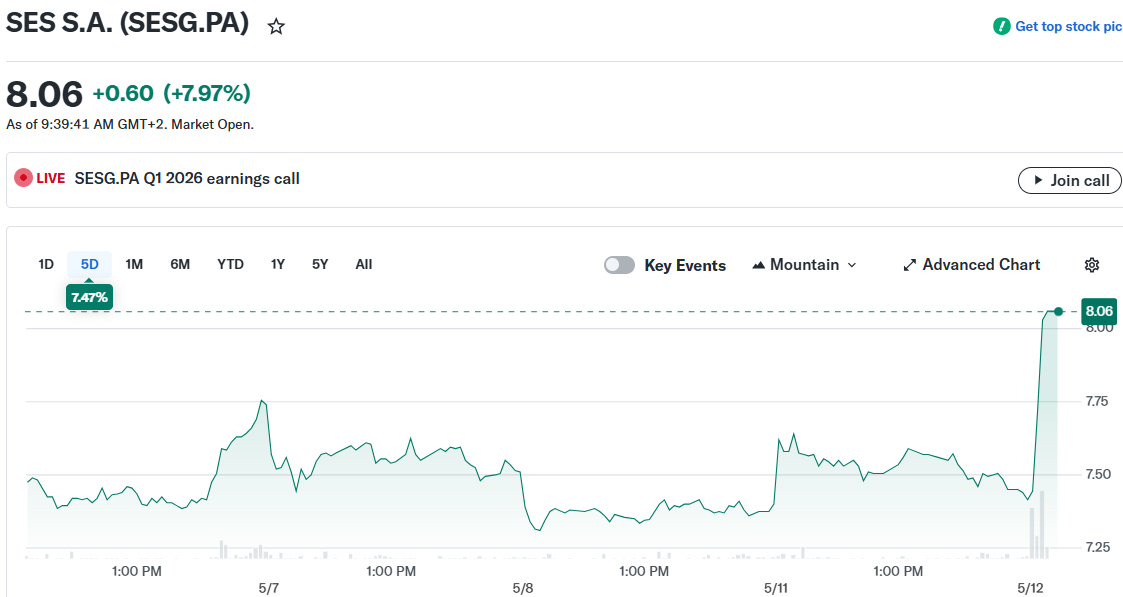
SES Reports 80% Revenue Jump as Aviation Connectivity and Intelsat Merger Drive Q1 Growth

Shai Gilgeous-Alexander, Thunder still perfect in playoffs after sweep of Lakers




