The post What Is Happening With And To The New York Mets? appeared on BitcoinEthereumNews.com. OMG is right, but so too is LOL. Brandon Nimmo (holding the sign)The post What Is Happening With And To The New York Mets? appeared on BitcoinEthereumNews.com. OMG is right, but so too is LOL. Brandon Nimmo (holding the sign)

What Is Happening With And To The New York Mets?

OMG is right, but so too is LOL. Brandon Nimmo (holding the sign) is no longer a Met, neither is Edwin Díaz or Pete Alonso. David Stearns has a lot of work to do. (Photo by Justin Berl/Getty Images)

Getty Images

What has happened to the New York Mets? In a matter of weeks, the team that contended over the past few seasons has been stripped down, and the club that takes the diamond next season won’t look very much like the ones that previously played in Queens. And whether or not the new formulation is successful, the fans are none too pleased.

Goodbye Brandon Nimmo

In November, in what is commonly-referred to as a “challenge trade,” the Mets swapped their longest-tenured player, outfielder Brandon Nimmo, to the Texas Rangers in return for second baseman Marcus Semien. The deal saves New York some money in the long run, as they rid themselves of the five years and $101.25 million left on Nimmo’s eight-year deal he signed in 2023. Semien is owed just $72 million over the final three years of the seven-year, $175 million contract he signed with Texas in December 2021. The Mets also threw in an additional $5 million to offset the difference.

David Stearns, New York’s president of baseball operations, went into the off-season looking to improve the team’s defense. And although he has multiple prospects ready to play second base, he felt the move for Semien – at the cost of Nimmo – was the right choice. After the deal he was quoted as saying losing a fan-favorite like Nimmo “was something we had to think about, no question. That certainly makes decisions like this a little bit more challenging than they otherwise would be. But at the end of the day, I still felt like this was the right decision for the organization.”

Goodbye Edwin Díaz

On Tuesday, the back-to-back World Series champion Los Angeles Dodgers signed closer Edwin Díaz to a three-year, $69 million contract, which, on its face, is three million more than the Mets offered their former closer. However, according to Joel Sherman of the New York Post, the deal includes deferrals of $4.5 million per season, taking the deal down to $21.1 million per season for luxury tax purposes. Could the Mets, under the auspices of the richest owner in baseball, have managed to dig up another $3 million (and less than that on a pure cash flow basis) to keep Timmy Trumpets playing in CitiField for the next three seasons? That seems reasonable. Which raises maybe a larger question: Why didn’t Díaz give them a chance to match the offer? What does it say about the organization that he wanted to head west?

Goodbye Pete Alonso

On Wednesday, Pete Alonso, the team’s all-time home run leader with 264, departed to Baltimore on a 5-year, $155 million contract. The Mets, apparently, were not willing to go beyond three years for the slugger, so didn’t even bother to make an offer. Considering that the day before Alonso signed with the Orioles, fellow slugger Kyle Schwarber re-signed with the Phillies for five years and $150 million, and that he is two years older than the “Polar Bear,” and doesn’t play a defensive position, it is either shocking that the Mets let a franchise player go, or surprising that Philadelphia was willing to roll the dice so substantially. The former is a better analysis.

With Alonso out of the lineup and out of the clubhouse, New York loses the heart and soul of the club, the leader of the “LFGM” brigade, who never found a moment when he couldn’t or wouldn’t rip off his jersey and celebrate with his teammates. There was a real chance that he could have retired as a Met, and if he collected another 236 homers, potentially been the third player (after Tom Seaver and Mike Piazza) to enter the Hall of Fame with a Mets logo on his cap.

There Is Still Time

There are still two months before pitchers and catchers report, and Stearns still has a lot of wheeling and dealing to do. But that may not placate the fans. Ken Rosenthal of The Athletic wrote this morning: “The irrational Mets fan, the long-suffering type who suffered through the years of the Wilpon ownership, now must wonder if Fred and Jeff are practicing voodoo on Stearns and owner Steve Cohen.”

With all of the losses (and the addition of Semien and new closer Devin Williams), the team still has not addressed its biggest need: starting pitching. The team set an MLB record for pitchers used by one team in 2025, including 17 different starters. Framber Valdez, Ranger Suárez, and Tatsuya Imai are still available in the free agent market. Maybe the goodwill of acquiring Semien will help with the bad taste of losing Alonso, and uber-agent Scott Boras will direct Imai, the Japanese superstar, to Stearns and Cohen and help quiet the critics. Or, better yet, the team could reach deep into its prospects and some toss in some players on the major league roster, and pull off a blockbuster trade to bring two-time Cy Young winner Tarik Skubal to New York. Stranger things have happened.

The team could still sign Kyle Tucker and let him fill the void in left field caused by the loss of Nimmo. And/or they could add Cody Bellinger, and allow him to become the center fielder they have needed for years, or slot him at first base to fill the Alonso-sized hole on the right side of the infield.

This much is true: the addition of Williams as a Yankees cast-off is not going to move the needle if that is their only major move. As Rosenthal wrote: “The rational Mets fan knows it’s Dec. 10. The irrational Mets fan doesn’t want to hear it.”

Source: https://www.forbes.com/sites/danfreedman/2025/12/11/what-is-happening-with-and-to-the-new-york-mets/

Market Opportunity
OmiseGo Logo
OmiseGo Price(OMG)
$0.07528
$0.07528$0.07528
-2.60%
USD
OmiseGo (OMG) Live Price Chart
Disclaimer: The articles reposted on this site are sourced from public platforms and are provided for informational purposes only. They do not necessarily reflect the views of MEXC. All rights remain with the original authors. If you believe any content infringes on third-party rights, please contact [email protected] for removal. MEXC makes no guarantees regarding the accuracy, completeness, or timeliness of the content and is not responsible for any actions taken based on the information provided. The content does not constitute financial, legal, or other professional advice, nor should it be considered a recommendation or endorsement by MEXC.

You May Also Like

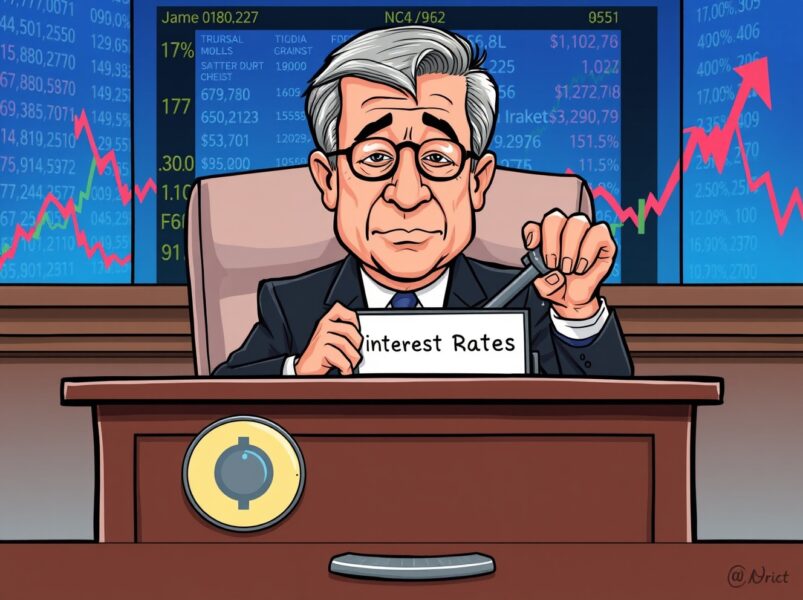
Crucial Fed Rate Cut: Powell’s Bold Risk Management Move Explained

Crucial Fed Rate Cut: Powell’s Bold Risk Management Move Explained

BitcoinWorld Crucial Fed Rate Cut: Powell’s Bold Risk Management Move Explained In a significant development for global financial markets, Federal Reserve Chair Jerome Powell recently described the latest Fed rate cut as a critical risk management measure. This statement immediately captured the attention of investors, economists, and especially those in the dynamic cryptocurrency space. Understanding Powell’s rationale and the potential implications of this move is essential for navigating today’s complex economic landscape. What Exactly is a Fed Rate Cut and Why Does it Matter? A Fed rate cut refers to the Federal Reserve lowering the target range for the federal funds rate. This is the interest rate at which commercial banks borrow and lend their excess reserves to each other overnight. When the Fed lowers this rate, it typically makes borrowing cheaper across the entire economy. This decision impacts everything from mortgage rates to business loans. The Fed uses interest rates as a primary tool to influence economic activity, aiming to achieve maximum employment and stable prices. A lower rate often stimulates spending and investment, but it can also signal concerns about economic slowdown. Key reasons for a rate cut often include: Slowing economic growth or recession fears. Low inflation or deflationary pressures. Global economic instability impacting domestic markets. A desire to provide more liquidity to the financial system. Powell’s emphasis on ‘risk management’ suggests a proactive approach. The Fed is not just reacting to current data but also anticipating potential future challenges. They are essentially trying to prevent a worse economic outcome by adjusting policy now. How Does a Fed Rate Cut Influence the Broader Economy? When the Federal Reserve implements a Fed rate cut, it sends ripples throughout the financial world. For traditional markets, lower interest rates generally mean: Boost for Stocks: Companies can borrow more cheaply, potentially increasing profits and stock valuations. Investors might also move money from lower-yielding bonds into equities. Cheaper Borrowing: Consumers and businesses enjoy lower rates on loans, from mortgages to credit cards, encouraging spending and investment. Weaker Dollar: Lower rates can make a country’s currency less attractive to foreign investors, potentially leading to a weaker dollar. Bond Market Shifts: Existing bonds with higher yields become more attractive, while newly issued bonds will have lower yields. This shift in monetary policy aims to inject confidence and liquidity into the system, countering potential economic headwinds. However, there’s always a delicate balance to strike, as too much stimulus can lead to inflationary pressures down the line. What Does This Fed Rate Cut Mean for Cryptocurrency Investors? The impact of a Fed rate cut on the cryptocurrency market is often a topic of intense discussion. While crypto assets operate independently of central banks, they are not immune to broader macroeconomic forces. Here’s how a rate cut can play out: Increased Risk Appetite: With traditional savings and bond yields potentially lower, investors might seek higher returns in riskier assets, including cryptocurrencies like Bitcoin and Ethereum. Inflation Hedge Narrative: Some view cryptocurrencies, particularly Bitcoin, as a hedge against inflation and traditional currency debasement. If a rate cut leads to concerns about inflation, this narrative could gain traction. Liquidity Influx: A more accommodative monetary policy can increase overall liquidity in the financial system, some of which may flow into digital assets. Dollar Weakness: A weaker dollar, a potential consequence of rate cuts, can sometimes make dollar-denominated assets like crypto more appealing to international investors. However, it’s crucial to remember that the crypto market also has its unique drivers, including technological developments, regulatory news, and market sentiment. While a Fed rate cut can provide a tailwind, it’s not the sole determinant of crypto performance. Navigating the New Landscape: Actionable Insights for Crypto Investors Given the Federal Reserve’s stance on risk management through a Fed rate cut, what steps can crypto investors consider? Stay Informed: Keep a close watch on further Fed announcements and economic data. Understanding the broader macroeconomic picture is vital. Diversify Your Portfolio: While a rate cut might favor risk assets, a balanced portfolio that includes a mix of traditional and digital assets can help mitigate volatility. Long-Term Perspective: Focus on the fundamental value and long-term potential of your chosen cryptocurrencies rather than short-term fluctuations driven by macro news. Assess Risk Tolerance: Re-evaluate your personal risk tolerance in light of potential market shifts. Lower rates can encourage speculation, but prudence remains key. Powell’s description of the Fed rate cut as a risk management measure highlights the central bank’s commitment to maintaining economic stability. For cryptocurrency enthusiasts, this move underscores the increasing interconnectedness of traditional finance and the digital asset world. While a rate cut can create opportunities, a thoughtful and informed approach is always the best strategy. Frequently Asked Questions (FAQs) What exactly is a Fed rate cut? A Fed rate cut is when the Federal Reserve lowers its target for the federal funds rate, which is the benchmark interest rate banks charge each other for overnight lending. This action makes borrowing cheaper across the economy, aiming to stimulate economic activity. Why did Powell emphasize “risk management” for this Fed rate cut? Jerome Powell emphasized “risk management” to indicate that the Fed was proactively addressing potential economic slowdowns or other future challenges. It suggests a preventative measure to safeguard against adverse economic conditions rather than merely reacting to existing problems. How does a Fed rate cut typically affect the crypto market? A Fed rate cut can make traditional investments less attractive due to lower yields, potentially driving investors towards higher-risk, higher-reward assets like cryptocurrencies. It can also increase overall market liquidity and strengthen the narrative of crypto as an inflation hedge. Should crypto investors change their strategy after a rate cut? While a rate cut can influence market dynamics, crypto investors should primarily focus on their long-term strategy, fundamental research, and risk tolerance. It’s wise to stay informed about macroeconomic trends but avoid making impulsive decisions based solely on a single policy change. What are the potential downsides of a Fed rate cut? Potential downsides include increased inflationary pressures if the economy overheats, a weaker national currency, and the possibility of creating asset bubbles as investors chase higher returns in riskier markets. It can also signal underlying concerns about economic health. Did you find this article insightful? Share your thoughts and help others understand the implications of the Fed’s latest move! Follow us on social media for more real-time updates and expert analysis. To learn more about the latest crypto market trends, explore our article on key developments shaping Bitcoin’s price action. This post Crucial Fed Rate Cut: Powell’s Bold Risk Management Move Explained first appeared on BitcoinWorld.
Share
Coinstats2025/09/18 16:40
Why Vitalik Buterin Just Pulled 16,384 ETH From His Holdings

Why Vitalik Buterin Just Pulled 16,384 ETH From His Holdings

The post Why Vitalik Buterin Just Pulled 16,384 ETH From His Holdings appeared first on Coinpedia Fintech News Ethereum co-founder Vitalik Buterin just withdrew
Share
CoinPedia2026/01/30 18:19
Record-breaking streak ends – Rabobank

Record-breaking streak ends – Rabobank

The post Record-breaking streak ends – Rabobank appeared on BitcoinEthereumNews.com. Rabobank’s report notes that Gold has seen a significant retracement, ending
Share
BitcoinEthereumNews2026/01/30 18:24