

“Connect Token WTC Crypto” Explained: WalletConnect (WCT) vs. Waltonchain (WTC)
BitcoinWorld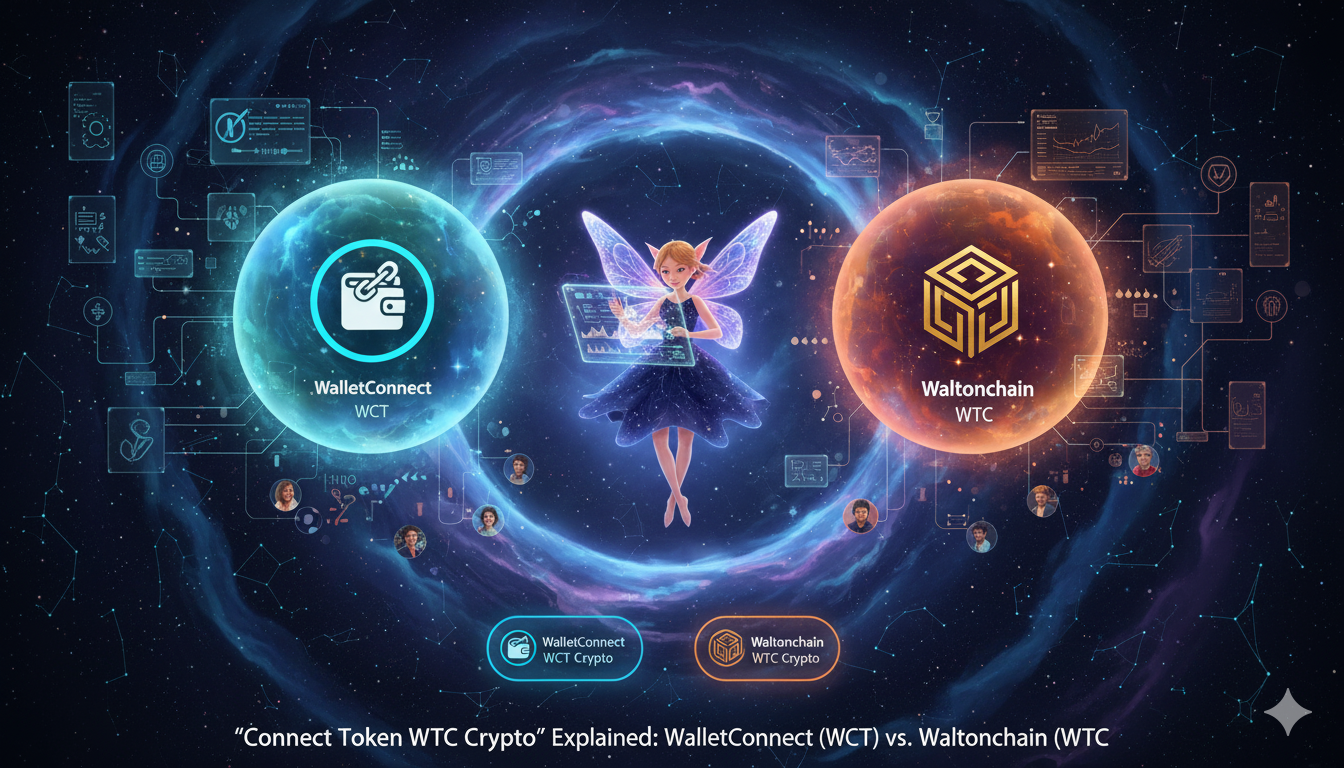
“Connect Token WTC Crypto” Explained: WalletConnect (WCT) vs. Waltonchain (WTC)
The search query “Connect token WTC crypto” frequently leads to confusion among investors in 2026 due to the striking similarity between two distinct assets: WalletConnect Token (WCT) and Waltonchain (WTC). While one is a newly launched governance token for critical Web3 infrastructure, the other is a legacy supply chain project from the 2017 era. This guide clarifies the difference, helping you identify which token aligns with your investment strategy and explaining the specific utility of each.
What Is WalletConnect Token (WCT) and Why Is It Trending?
If you are looking for the token associated with connecting crypto wallets to dApps, you are likely searching for WalletConnect Token (WCT). As of early 2026, WCT serves as the native utility and governance backbone for the WalletConnect Network, a protocol integrated into over 600 wallets and 40,000 decentralized applications (dApps).
- Governance Rights: WCT holders play a pivotal role in the ecosystem by voting on protocol upgrades, fee structures, and future development roadmaps, ensuring the network remains community-driven.
- Staking and Rewards: To secure the network, users and node operators can stake their WCT tokens. In return for maintaining the integrity and performance of the relay network, stakers earn weekly rewards.
- Ecosystem Utility: The token aligns incentives across the network, potentially acting as a payment method for network services (subject to governance) and coordinating the interests of developers, users, and node operators.
What Is Waltonchain (WTC) and What Does It Do?
Waltonchain (WTC) is often the ticker symbol users mistakenly type when searching for “Connect token.” It is a separate project that rose to fame in 2017 by combining blockchain with Radio Frequency Identification (RFID) and the Internet of Things (IoT).
- Supply Chain Management: The primary goal of WTC is to create a transparent business ecosystem where physical assets are linked to the blockchain via RFID tags. This technology is used to track products from source to consumer, reducing counterfeiting in high-value industries like luxury clothing.
- Sub-chain Creation: The platform allows businesses to build custom sub-chains (child chains) tailored to their specific needs, which run parallel to the main chain to ensure scalability and security.
- Network Operations: The WTC coin functions as the primary value exchange within this ecosystem, used for paying transaction fees, rewarding nodes, and executing smart contracts related to logistics and data traceability.
Frequently Asked Questions
Is “Connect Token” the same as WTC?
No. The term “Connect token” likely refers to WalletConnect Token (WCT), which facilitates connections between wallets and dApps. WTC is the ticker for Waltonchain, a completely different project focused on supply chain management and RFID technology.
Can I stake WCT and WTC tokens?
Yes, but the mechanisms differ. WalletConnect Token (WCT) staking involves securing the relay network for Web3 connectivity to earn rewards. Waltonchain (WTC) staking is related to maintaining the consensus of its specific IoT blockchain and validating supply chain transactions.
Which token is used for connecting MetaMask to dApps?
The technology used to connect MetaMask and other wallets to dApps is the WalletConnect protocol, which is governed by WalletConnect Token (WCT). Waltonchain (WTC) has no technical relationship to the wallet connection process.
Conclusion
Understanding the distinction between WalletConnect Token (WCT) and Waltonchain (WTC) is crucial for navigating the 2026 crypto market. While the search term “Connect token WTC crypto” conflates the two, WCT represents the modern “plumbing” of decentralized finance, whereas WTC represents a specialized solution for physical supply chains. Clarifying this difference ensures you interact with the correct asset, whether your goal is participating in Web3 governance or exploring IoT blockchain solutions.
This post “Connect Token WTC Crypto” Explained: WalletConnect (WCT) vs. Waltonchain (WTC) first appeared on BitcoinWorld.


You May Also Like

Ethereum Price Outlook: ETF Outflows Clash with Rising Staking Demand

Stephen Miller rails against ‘monstrous’ wind farms: ‘Visual assault on God’s creation’

Arbitrum Nova Enters Maintenance and Botanix Winds Down Bitcoin Layer 2 Network



