If you’ve been denied for an apartment because of your credit, you already know how it feels: frustrating, embarrassing, and honestly unfair — especially when youIf you’ve been denied for an apartment because of your credit, you already know how it feels: frustrating, embarrassing, and honestly unfair — especially when you

What to Do When Your Credit Is So Bad You Can’t Even Rent an Apartment

If you’ve been denied for an apartment because of your credit, you already know how it feels: frustrating, embarrassing, and honestly unfair — especially when you’re trying to rebuild after a tough season.

Maybe you went through a divorce. A job loss. Medical bills. A business that didn’t work out. Maybe life hit hard, and credit was the last thing on your mind. Now you’re doing better, trying to get stable, and the system feels like it’s holding your past over your head.

Here’s the truth: being denied doesn’t mean you’re stuck forever. Even if your credit is in bad shape right now, there are steps you can take to improve your odds of getting approved — sometimes faster than you’d expect.

This guide breaks down what to do when your credit is so bad you can’t even rent an apartment, and how to start rebuilding your profile the smart way.

Why Apartments Deny People With Bad Credit (Even When You Have Income)

Most landlords and property managers don’t only look at your score. They’re looking for risk.

Common reasons renters get denied:

  • Low credit score (usually under 600)
  • Collections or charge-offs
  • Late payments
  • Evictions or broken leases
  • High debt-to-income ratio
  • Thin credit file (not enough accounts reporting)
  • Recent negative activity

And here’s the part many people miss:

A low score isn’t always the real problem — it’s the profile.

You can have income and still get denied if the credit file looks unstable, thin, or high-risk.

That’s why rebuilding isn’t just about “boosting your score.” It’s about strengthening the entire file.

Step 1: Ask the Leasing Office What They Require (Before You Apply)

This sounds obvious, but most people skip it and waste application money.

Before applying, ask:

  • What minimum score do you require?
  • Do you accept co-signers or guarantors?
  • Will you accept higher deposit in place of credit?
  • Do you deny for any collections?
  • What matters most: score, payment history, or income?

This one step can save you hundreds of dollars.

Step 2: Prepare a “Renter Approval File” (This Works Even With Bad Credit)

Even with damaged credit, you can increase approval odds by making the landlord feel safe.

Put together:

  • Proof of income (2–3 pay stubs or bank statements)
  • Employer letter (if possible)
  • References from previous landlords
  • Letter of explanation (short, mature, honest)
  • Offer of higher deposit / 2 months upfront
  • A co-signer or guarantor if needed

Most people with financial hardship can still get approved if they present stability and a plan.

Step 3: Clean Up the “Big Red Flags” First

If your credit report has major red flags, address them before trying to rent.

Priority order:

  1. Evictions / broken lease debt
  2. Utility collections
  3. Recent late payments
  4. High credit card utilization
  5. Old collections with errors

Even fixing one or two of these can dramatically change approval odds.

Step 4: Build a Stronger Credit Profile Fast (Not Just a Score)

This is where most “credit tips” get it wrong.

If you’ve had hardship, your file often looks like this:

  • old negatives
  • not enough active accounts
  • low limits
  • high utilization
  • short history

So you need to strengthen the profile with:

  • Positive payment history
  • Higher limits (lower utilization)
  • More aged accounts
  • Better account mix

One of the most effective strategies here is adding tradeline history.

What is a tradeline?

A tradeline is simply a credit account listed on a credit report. It can include:

  • credit cards
  • installment loans
  • auto loans
  • personal loans

When people talk about Authorized User Tradelines, they’re referring to being added as an authorized user on an established credit card account — so that account history can appear on their credit file (depending on the bank).

This is why many people search terms like:

  • Tradelines for Sale
  • Primary Tradelines
  • What is a tradeline
  • Tradelines for Sale near me
  • Tradeline packages

The idea is simple: a strong tradeline with perfect payment history can help a damaged or thin profile look more stable — and may help lower utilization and improve “credit depth.”

Important: tradelines are not magic and not a substitute for real credit responsibility — but they can be a legitimate boost when used correctly.

Step 5: Apartment Strategy — Don’t Apply Everywhere (Apply Smart)

When your credit is weak, rapid-fire applications can hurt you even more.

Instead, apply strategically:

  • Target private landlords first (they’re more flexible than corporate properties)
  • Look for second-chance apartments
  • Offer higher deposit upfront
  • Use a guarantor if possible
  • Submit your renter approval file

This is where “getting approved” becomes more about approach than score.

What About “CPN Apartment” Options?

Many renters start searching online after repeated denials and come across terms like:

  • CPN Apartment
  • Credit Privacy Number
  • CPN Number
  • Credit Profile Number
  • Secondary Credit Number (SCN)

And it makes sense — when someone feels stuck, they start looking for alternative strategies and “fresh-start” options.

What is a Credit Privacy Number?

A Credit Privacy Number is a term that appears online as a so-called alternative identification number that some people claim can be used when filling out applications. Many people describe a Credit Privacy Number as a way to “start over,” especially after financial hardship, identity theft, divorce, or bankruptcy.

In marketing content, you’ll often see a Credit Privacy Number explained as something that helps separate credit activity from an existing file — essentially a “new file” concept. Some people refer to this as credit privacy, while others treat it like a second-chance credit-building approach.

Because the Credit Privacy Number topic is popular, there are also service bundles sold online such as:

  • CPN packages
  • “new file + tradelines”
  • “rental ready profile”
  • “boost score quickly”

In other words, many people view a Credit Privacy Number as a starting point, then use other tools like tradelines and credit-building accounts to help establish history.

How do people try to use a Credit Privacy Number to establish credit?

Online, you’ll find people saying they use a Credit Privacy Number as a way to begin building credit from scratch by pairing it with:

  • a secured card (or starter credit line)
  • small installment accounts
  • identity verification (depending on the lender)
  • and in some cases, Authorized User Tradelines to strengthen the early profile

The theory is simple: a person wants a fresh start, so they try to use a Credit Privacy Number to begin generating reporting activity and building a stronger profile over time.

Important Warning: Avoid Scams and Anything Illegal

This part matters.

A lot of what you’ll find online around Credit Privacy Number services includes:

  • scams
  • stolen SSNs
  • fake numbers
  • misleading promises (“guaranteed apartment approval”)
  • illegal advice

That’s why you have to be extremely cautious. A Credit Privacy Number should never be a stolen identity number or tied to someone else. If you’re researching this topic, focus on education and risk awareness — and don’t trust anyone promising instant approvals overnight.

If you ever feel unsure, consult a legitimate professional before taking action.

The Safer “Fresh Start” Path That Landlords Respect

If your real goal is to rent again, the best path usually looks like:

pay down utilization
remove errors and clean up major negatives
build positive reporting accounts
add credit depth (aged tradelines when appropriate)
show stability with strong income + documentation

Most approvals come down to:

  • stability
  • reduced risk
  • and a stronger, cleaner credit profile

Final Thoughts: Your Credit Is Not Your Life Sentence

If your credit is so bad you can’t even rent an apartment, it doesn’t mean you’re broken — it means you’re rebuilding.

Financial hardship happens to good people. What matters is what you do next.

Start by applying smarter, presenting yourself stronger, and building credit in a way that makes landlords feel safe. With the right steps, you can go from “denied everywhere” to approved again — and turn a hard season into a comeback story.

Comments
Market Opportunity
Bad Idea AI Logo
Bad Idea AI Price(BAD)
$0.00000000108
$0.00000000108$0.00000000108
-3.57%
USD
Bad Idea AI (BAD) Live Price Chart
Disclaimer: The articles reposted on this site are sourced from public platforms and are provided for informational purposes only. They do not necessarily reflect the views of MEXC. All rights remain with the original authors. If you believe any content infringes on third-party rights, please contact [email protected] for removal. MEXC makes no guarantees regarding the accuracy, completeness, or timeliness of the content and is not responsible for any actions taken based on the information provided. The content does not constitute financial, legal, or other professional advice, nor should it be considered a recommendation or endorsement by MEXC.

You May Also Like

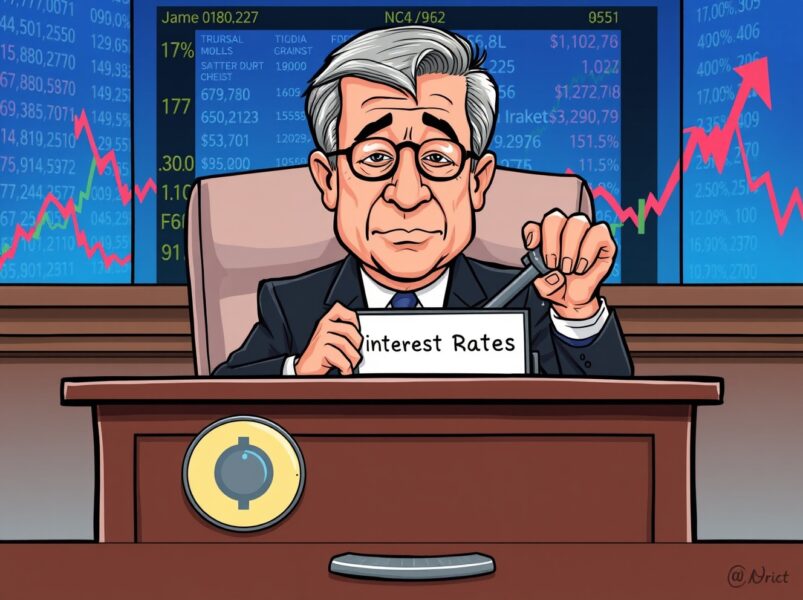
Crucial Fed Rate Cut: Powell’s Bold Risk Management Move Explained

Crucial Fed Rate Cut: Powell’s Bold Risk Management Move Explained

BitcoinWorld Crucial Fed Rate Cut: Powell’s Bold Risk Management Move Explained In a significant development for global financial markets, Federal Reserve Chair Jerome Powell recently described the latest Fed rate cut as a critical risk management measure. This statement immediately captured the attention of investors, economists, and especially those in the dynamic cryptocurrency space. Understanding Powell’s rationale and the potential implications of this move is essential for navigating today’s complex economic landscape. What Exactly is a Fed Rate Cut and Why Does it Matter? A Fed rate cut refers to the Federal Reserve lowering the target range for the federal funds rate. This is the interest rate at which commercial banks borrow and lend their excess reserves to each other overnight. When the Fed lowers this rate, it typically makes borrowing cheaper across the entire economy. This decision impacts everything from mortgage rates to business loans. The Fed uses interest rates as a primary tool to influence economic activity, aiming to achieve maximum employment and stable prices. A lower rate often stimulates spending and investment, but it can also signal concerns about economic slowdown. Key reasons for a rate cut often include: Slowing economic growth or recession fears. Low inflation or deflationary pressures. Global economic instability impacting domestic markets. A desire to provide more liquidity to the financial system. Powell’s emphasis on ‘risk management’ suggests a proactive approach. The Fed is not just reacting to current data but also anticipating potential future challenges. They are essentially trying to prevent a worse economic outcome by adjusting policy now. How Does a Fed Rate Cut Influence the Broader Economy? When the Federal Reserve implements a Fed rate cut, it sends ripples throughout the financial world. For traditional markets, lower interest rates generally mean: Boost for Stocks: Companies can borrow more cheaply, potentially increasing profits and stock valuations. Investors might also move money from lower-yielding bonds into equities. Cheaper Borrowing: Consumers and businesses enjoy lower rates on loans, from mortgages to credit cards, encouraging spending and investment. Weaker Dollar: Lower rates can make a country’s currency less attractive to foreign investors, potentially leading to a weaker dollar. Bond Market Shifts: Existing bonds with higher yields become more attractive, while newly issued bonds will have lower yields. This shift in monetary policy aims to inject confidence and liquidity into the system, countering potential economic headwinds. However, there’s always a delicate balance to strike, as too much stimulus can lead to inflationary pressures down the line. What Does This Fed Rate Cut Mean for Cryptocurrency Investors? The impact of a Fed rate cut on the cryptocurrency market is often a topic of intense discussion. While crypto assets operate independently of central banks, they are not immune to broader macroeconomic forces. Here’s how a rate cut can play out: Increased Risk Appetite: With traditional savings and bond yields potentially lower, investors might seek higher returns in riskier assets, including cryptocurrencies like Bitcoin and Ethereum. Inflation Hedge Narrative: Some view cryptocurrencies, particularly Bitcoin, as a hedge against inflation and traditional currency debasement. If a rate cut leads to concerns about inflation, this narrative could gain traction. Liquidity Influx: A more accommodative monetary policy can increase overall liquidity in the financial system, some of which may flow into digital assets. Dollar Weakness: A weaker dollar, a potential consequence of rate cuts, can sometimes make dollar-denominated assets like crypto more appealing to international investors. However, it’s crucial to remember that the crypto market also has its unique drivers, including technological developments, regulatory news, and market sentiment. While a Fed rate cut can provide a tailwind, it’s not the sole determinant of crypto performance. Navigating the New Landscape: Actionable Insights for Crypto Investors Given the Federal Reserve’s stance on risk management through a Fed rate cut, what steps can crypto investors consider? Stay Informed: Keep a close watch on further Fed announcements and economic data. Understanding the broader macroeconomic picture is vital. Diversify Your Portfolio: While a rate cut might favor risk assets, a balanced portfolio that includes a mix of traditional and digital assets can help mitigate volatility. Long-Term Perspective: Focus on the fundamental value and long-term potential of your chosen cryptocurrencies rather than short-term fluctuations driven by macro news. Assess Risk Tolerance: Re-evaluate your personal risk tolerance in light of potential market shifts. Lower rates can encourage speculation, but prudence remains key. Powell’s description of the Fed rate cut as a risk management measure highlights the central bank’s commitment to maintaining economic stability. For cryptocurrency enthusiasts, this move underscores the increasing interconnectedness of traditional finance and the digital asset world. While a rate cut can create opportunities, a thoughtful and informed approach is always the best strategy. Frequently Asked Questions (FAQs) What exactly is a Fed rate cut? A Fed rate cut is when the Federal Reserve lowers its target for the federal funds rate, which is the benchmark interest rate banks charge each other for overnight lending. This action makes borrowing cheaper across the economy, aiming to stimulate economic activity. Why did Powell emphasize “risk management” for this Fed rate cut? Jerome Powell emphasized “risk management” to indicate that the Fed was proactively addressing potential economic slowdowns or other future challenges. It suggests a preventative measure to safeguard against adverse economic conditions rather than merely reacting to existing problems. How does a Fed rate cut typically affect the crypto market? A Fed rate cut can make traditional investments less attractive due to lower yields, potentially driving investors towards higher-risk, higher-reward assets like cryptocurrencies. It can also increase overall market liquidity and strengthen the narrative of crypto as an inflation hedge. Should crypto investors change their strategy after a rate cut? While a rate cut can influence market dynamics, crypto investors should primarily focus on their long-term strategy, fundamental research, and risk tolerance. It’s wise to stay informed about macroeconomic trends but avoid making impulsive decisions based solely on a single policy change. What are the potential downsides of a Fed rate cut? Potential downsides include increased inflationary pressures if the economy overheats, a weaker national currency, and the possibility of creating asset bubbles as investors chase higher returns in riskier markets. It can also signal underlying concerns about economic health. Did you find this article insightful? Share your thoughts and help others understand the implications of the Fed’s latest move! Follow us on social media for more real-time updates and expert analysis. To learn more about the latest crypto market trends, explore our article on key developments shaping Bitcoin’s price action. This post Crucial Fed Rate Cut: Powell’s Bold Risk Management Move Explained first appeared on BitcoinWorld.
Share
Coinstats2025/09/18 16:40
Why Vitalik Buterin Just Pulled 16,384 ETH From His Holdings

Why Vitalik Buterin Just Pulled 16,384 ETH From His Holdings

The post Why Vitalik Buterin Just Pulled 16,384 ETH From His Holdings appeared first on Coinpedia Fintech News Ethereum co-founder Vitalik Buterin just withdrew
Share
CoinPedia2026/01/30 18:19
Record-breaking streak ends – Rabobank

Record-breaking streak ends – Rabobank

The post Record-breaking streak ends – Rabobank appeared on BitcoinEthereumNews.com. Rabobank’s report notes that Gold has seen a significant retracement, ending
Share
BitcoinEthereumNews2026/01/30 18:24