The TotalEnergies Mozambique LNG restart reactivates a world-scale gas project with consequences that reach far beyond Cabo Delgado.   The restart signal, and whyThe TotalEnergies Mozambique LNG restart reactivates a world-scale gas project with consequences that reach far beyond Cabo Delgado.   The restart signal, and why

Mozambique LNG: a Rovuma giant awakens

The TotalEnergies Mozambique LNG restart reactivates a world-scale gas project with consequences that reach far beyond Cabo Delgado.
The restart signal, and why it is different this time

Today’s announcement in Afungi confirms the full restart of Mozambique LNG activities onshore and offshore. The decision was jointly announced by President Daniel Chapo and TotalEnergies Chairman and CEO Patrick Pouyanné, with TotalEnergies and the Government of Mozambique formalising the restart following the November 2025 lifting of force majeure.

Importantly, this is not a symbolic step. Instead, it is a mobilisation decision. Offshore installation work has resumed, contractors are returning at scale, and the project again targets first LNG around 2029.

More than 4,000 workers are now mobilised, with about 80% Mozambican nationals. As a result, workforce scale and advanced engineering progress together explain why this TotalEnergies Mozambique LNG restart differs from earlier stop-start phases.

Project fundamentals: scale, completion, and cost envelope

Mozambique LNG draws on Area 1 gas resources in the Rovuma Basin. At Afungi, the onshore complex includes two trains with a combined capacity of 12.88 million tonnes per annum. Consequently, the project ranks among Africa’s largest onshore LNG developments.

Overall project completion stands near 40%. Notably, contractors completed much of the engineering and procurement work before the 2021 suspension. This progress therefore reduces execution risk as construction resumes.

The project now sits within a revised cost envelope of about US$20 billion. Meanwhile, security adjustments and delay-related costs drove the increase from the original FID estimate.

Mozambique LNG Project location – image TotalEnergies
Consortium structure and equity alignment

Mozambique LNG is developed by the Area 1 consortium, led by TotalEnergies alongside Mitsui, ENH, three Indian partners (Bharat, ONGC Videsh and Oil India), and PTTEP. The equity structure aligns European, Asian, and Mozambican interests in a way that links upstream value creation to energy‑security priorities in key import markets.

TotalEnergies operates the project with a roughly one‑quarter stake, with Mitsui and three Indian entities together holding a significant minority interest, ENH representing the Mozambican state, and PTTEP adding Thai participation.

Security as an operating framework

Security remains central to delivery credibility. In practice, conditions around Afungi have stabilised under a consolidated security framework. Regional partners continue to support the arrangement under the current mandate through 2026 and beyond.

Crucially, this approach treats security as a permanent operating function. As a result, investors now price Cabo Delgado risk within a managed framework rather than as an open-ended disruption.

The financing architecture: resilience at scale

Mozambique LNG rests on one of Africa’s largest limited-recourse project finance structures. In total, debt stands at about US$14.4 billion. Commercial banks combine with export credit agency support.

Key institutions include JBIC, U.S. EXIM and the African Development Bank.

Importantly, the structure has survived a multi-year suspension without a full debt unwind. That outcome, therefore, remains unusual for projects under force majeure of this length.

Offtake and revenue visibility

Long-term sale and purchase agreements cover 11.1 mtpa, or about 86% of nameplate capacity. As a result, buyers include investment-grade utilities and portfolio players across Asia and Europe.

These take-or-pay contracts secure revenue while allowing some destination flexibility. Consequently, cargoes can move between Atlantic and Pacific markets as conditions change.

President Daniel Chapo and TotalEnergies Chairman and CEO Patrick Pouyanné visited the Afungi site as part of the announcement of the project’s remobilisation. (Image: Mozambique Presidency)
Global LNG markets and the 2029 window

The TotalEnergies Mozambique LNG restart aligns with the next global LNG rebalancing phase. In the near term, supply growth comes mainly from North America and Qatar.

However, many forecasters expect tighter conditions in the early 2030s. Demand growth in emerging markets and industrial gas use supports this view.

At the same time, Europe has re-rated LNG as a strategic supply source after Russia. Moreover, US and Gulf portfolio players now play a larger role in global LNG flows. Meanwhile, Asia remains the anchor market for long-term contracted supply.

Rovuma LNG and project sequencing

The restart reshapes sequencing across the Rovuma Basin. According to public guidance, progress toward final investment decision on the ExxonMobil-led Rovuma LNG project could occur within 12 to 18 months.

In parallel, ENI’s Coral South FLNG and Coral Norte FLNG reinforce Mozambique’s trajectory. Together, these projects position the country as a multi-project LNG province with combined capacity potentially exceeding 35 mtpa in the early 2030s.

Macroeconomic implications for Mozambique

The TotalEnergies Mozambique LNG restart improves medium-term growth expectations. At the same time, it strengthens prospects for future foreign-exchange inflows. Independent studies, including from the International Institute for Sustainable Development, estimate lifetime government revenues between US$35 billion and US$63 billion. Importantly, outcomes depend on prices, uptime, and future phases.

Therefore, engagement with institutions such as the IMF supports fiscal governance ahead of peak LNG revenues.

Local content and development spillovers

Local content commitments now translate into contracts and jobs. In practice, thousands of Mozambicans are expected to work on the project during peak construction. In addition, domestic gas allocation supports power generation, fertiliser production, and industrial growth.

Area 1 artistic render
Regional and geopolitical significance

The restart restores confidence across northern Mozambique and Southern Africa. Ultimately, it strengthens Africa’s standing as a supplier of large-scale LNG under complex conditions.

At a broader level, the Gulf region plays a growing role in LNG trading, shipping, and capital allocation. As a result, this dynamic shapes how Mozambique LNG fits into global portfolios.

The verdict: execution defines the awakening

The restart of Mozambique LNG is a reset of confidence. The fundamentals are in place, and markets will judge progress by execution, schedule discipline, and institutional follow‑through. With a capital investment exceeding US$20 billion over the project lifecycle, the scale of delivery now matters as much as the decision to restart.

If delivery holds and market conditions remain supportive, the “giant” that awakens in Afungi can become a long‑term anchor for Mozambique’s economy. At full capacity, Mozambique LNG has the potential to generate significant annual export revenues, materially strengthen foreign‑exchange inflows, support fiscal stability, and improve the country’s external position over the long term.

Beyond direct revenues, the project’s multiplier effects are likely to be substantial. Construction and operations could sustain large numbers of direct and indirect jobs, underpin local supplier development, and catalyse infrastructure investment in northern Mozambique. Over time, this scale of activity can lift national growth rates, expand the tax base, and reinforce Mozambique’s standing as a credible energy producer.

For Africa more broadly, successful execution would carry significance beyond one project. It would reaffirm the continent’s capacity to deliver world‑scale LNG developments under complex security, financing, and governance conditions, reinforcing Africa’s role as a durable pillar of global gas supply in the decades ahead.

The post Mozambique LNG: a Rovuma giant awakens appeared first on FurtherAfrica.

Disclaimer: The articles reposted on this site are sourced from public platforms and are provided for informational purposes only. They do not necessarily reflect the views of MEXC. All rights remain with the original authors. If you believe any content infringes on third-party rights, please contact [email protected] for removal. MEXC makes no guarantees regarding the accuracy, completeness, or timeliness of the content and is not responsible for any actions taken based on the information provided. The content does not constitute financial, legal, or other professional advice, nor should it be considered a recommendation or endorsement by MEXC.

You May Also Like

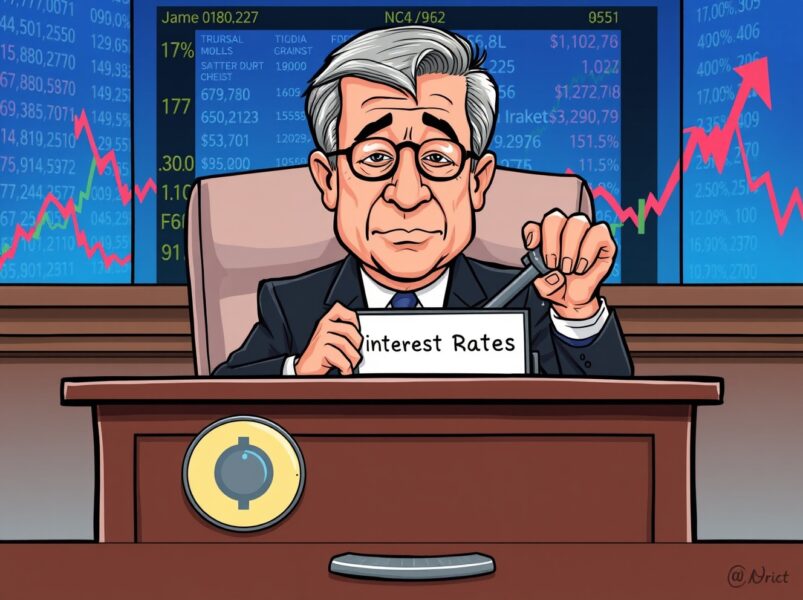
Crucial Fed Rate Cut: Powell’s Bold Risk Management Move Explained

Crucial Fed Rate Cut: Powell’s Bold Risk Management Move Explained

BitcoinWorld Crucial Fed Rate Cut: Powell’s Bold Risk Management Move Explained In a significant development for global financial markets, Federal Reserve Chair Jerome Powell recently described the latest Fed rate cut as a critical risk management measure. This statement immediately captured the attention of investors, economists, and especially those in the dynamic cryptocurrency space. Understanding Powell’s rationale and the potential implications of this move is essential for navigating today’s complex economic landscape. What Exactly is a Fed Rate Cut and Why Does it Matter? A Fed rate cut refers to the Federal Reserve lowering the target range for the federal funds rate. This is the interest rate at which commercial banks borrow and lend their excess reserves to each other overnight. When the Fed lowers this rate, it typically makes borrowing cheaper across the entire economy. This decision impacts everything from mortgage rates to business loans. The Fed uses interest rates as a primary tool to influence economic activity, aiming to achieve maximum employment and stable prices. A lower rate often stimulates spending and investment, but it can also signal concerns about economic slowdown. Key reasons for a rate cut often include: Slowing economic growth or recession fears. Low inflation or deflationary pressures. Global economic instability impacting domestic markets. A desire to provide more liquidity to the financial system. Powell’s emphasis on ‘risk management’ suggests a proactive approach. The Fed is not just reacting to current data but also anticipating potential future challenges. They are essentially trying to prevent a worse economic outcome by adjusting policy now. How Does a Fed Rate Cut Influence the Broader Economy? When the Federal Reserve implements a Fed rate cut, it sends ripples throughout the financial world. For traditional markets, lower interest rates generally mean: Boost for Stocks: Companies can borrow more cheaply, potentially increasing profits and stock valuations. Investors might also move money from lower-yielding bonds into equities. Cheaper Borrowing: Consumers and businesses enjoy lower rates on loans, from mortgages to credit cards, encouraging spending and investment. Weaker Dollar: Lower rates can make a country’s currency less attractive to foreign investors, potentially leading to a weaker dollar. Bond Market Shifts: Existing bonds with higher yields become more attractive, while newly issued bonds will have lower yields. This shift in monetary policy aims to inject confidence and liquidity into the system, countering potential economic headwinds. However, there’s always a delicate balance to strike, as too much stimulus can lead to inflationary pressures down the line. What Does This Fed Rate Cut Mean for Cryptocurrency Investors? The impact of a Fed rate cut on the cryptocurrency market is often a topic of intense discussion. While crypto assets operate independently of central banks, they are not immune to broader macroeconomic forces. Here’s how a rate cut can play out: Increased Risk Appetite: With traditional savings and bond yields potentially lower, investors might seek higher returns in riskier assets, including cryptocurrencies like Bitcoin and Ethereum. Inflation Hedge Narrative: Some view cryptocurrencies, particularly Bitcoin, as a hedge against inflation and traditional currency debasement. If a rate cut leads to concerns about inflation, this narrative could gain traction. Liquidity Influx: A more accommodative monetary policy can increase overall liquidity in the financial system, some of which may flow into digital assets. Dollar Weakness: A weaker dollar, a potential consequence of rate cuts, can sometimes make dollar-denominated assets like crypto more appealing to international investors. However, it’s crucial to remember that the crypto market also has its unique drivers, including technological developments, regulatory news, and market sentiment. While a Fed rate cut can provide a tailwind, it’s not the sole determinant of crypto performance. Navigating the New Landscape: Actionable Insights for Crypto Investors Given the Federal Reserve’s stance on risk management through a Fed rate cut, what steps can crypto investors consider? Stay Informed: Keep a close watch on further Fed announcements and economic data. Understanding the broader macroeconomic picture is vital. Diversify Your Portfolio: While a rate cut might favor risk assets, a balanced portfolio that includes a mix of traditional and digital assets can help mitigate volatility. Long-Term Perspective: Focus on the fundamental value and long-term potential of your chosen cryptocurrencies rather than short-term fluctuations driven by macro news. Assess Risk Tolerance: Re-evaluate your personal risk tolerance in light of potential market shifts. Lower rates can encourage speculation, but prudence remains key. Powell’s description of the Fed rate cut as a risk management measure highlights the central bank’s commitment to maintaining economic stability. For cryptocurrency enthusiasts, this move underscores the increasing interconnectedness of traditional finance and the digital asset world. While a rate cut can create opportunities, a thoughtful and informed approach is always the best strategy. Frequently Asked Questions (FAQs) What exactly is a Fed rate cut? A Fed rate cut is when the Federal Reserve lowers its target for the federal funds rate, which is the benchmark interest rate banks charge each other for overnight lending. This action makes borrowing cheaper across the economy, aiming to stimulate economic activity. Why did Powell emphasize “risk management” for this Fed rate cut? Jerome Powell emphasized “risk management” to indicate that the Fed was proactively addressing potential economic slowdowns or other future challenges. It suggests a preventative measure to safeguard against adverse economic conditions rather than merely reacting to existing problems. How does a Fed rate cut typically affect the crypto market? A Fed rate cut can make traditional investments less attractive due to lower yields, potentially driving investors towards higher-risk, higher-reward assets like cryptocurrencies. It can also increase overall market liquidity and strengthen the narrative of crypto as an inflation hedge. Should crypto investors change their strategy after a rate cut? While a rate cut can influence market dynamics, crypto investors should primarily focus on their long-term strategy, fundamental research, and risk tolerance. It’s wise to stay informed about macroeconomic trends but avoid making impulsive decisions based solely on a single policy change. What are the potential downsides of a Fed rate cut? Potential downsides include increased inflationary pressures if the economy overheats, a weaker national currency, and the possibility of creating asset bubbles as investors chase higher returns in riskier markets. It can also signal underlying concerns about economic health. Did you find this article insightful? Share your thoughts and help others understand the implications of the Fed’s latest move! Follow us on social media for more real-time updates and expert analysis. To learn more about the latest crypto market trends, explore our article on key developments shaping Bitcoin’s price action. This post Crucial Fed Rate Cut: Powell’s Bold Risk Management Move Explained first appeared on BitcoinWorld.
Share
Coinstats2025/09/18 16:40
Why Vitalik Buterin Just Pulled 16,384 ETH From His Holdings

Why Vitalik Buterin Just Pulled 16,384 ETH From His Holdings

The post Why Vitalik Buterin Just Pulled 16,384 ETH From His Holdings appeared first on Coinpedia Fintech News Ethereum co-founder Vitalik Buterin just withdrew
Share
CoinPedia2026/01/30 18:19
Record-breaking streak ends – Rabobank

Record-breaking streak ends – Rabobank

The post Record-breaking streak ends – Rabobank appeared on BitcoinEthereumNews.com. Rabobank’s report notes that Gold has seen a significant retracement, ending
Share
BitcoinEthereumNews2026/01/30 18:24