Why Quick Commerce CX Breaks Without B2B Logistics—and How Shipway Cargo Signals the Next CX Operating Model Imagine this.: Your quick commerce app promises deliveryWhy Quick Commerce CX Breaks Without B2B Logistics—and How Shipway Cargo Signals the Next CX Operating Model Imagine this.: Your quick commerce app promises delivery

Quick Commerce CX: Why B2B Logistics Is the Real Experience Engine

2026/01/30 12:05

Why Quick Commerce CX Breaks Without B2B Logistics—and How Shipway Cargo Signals the Next CX Operating Model

Imagine this.: Your quick commerce app promises delivery in ten minutes.
Orders flow in. Customers refresh tracking screens.
But somewhere behind the scenes, a dark store runs out of inventory.

No alert reaches the CX team.
No replenishment ETA appears in the system.
Customer support scrambles. Trust erodes.

This is not a last-mile failure.
It’s a B2B logistics experience failure.

That invisible breakdown is exactly what Unicommerce’s Shipway is addressing with the launch of Shipway Cargo, a SaaS solution purpose-built for quick commerce and high-frequency B2B logistics.

For CX and EX leaders, this launch is more than a product update.
It signals a structural shift in how experience must be designed—beyond the customer touchpoint.


What Is Shipway Cargo and Why CX Teams Should Care?

Shipway Cargo is a B2B logistics SaaS platform designed for high-frequency, bulk, and replenishment-driven shipments that power quick commerce and modern retail.

For CX leaders, it closes the experience gap between inventory movement and customer promise.

Traditional parcel shipping tools optimize the last mile.
Shipway Cargo focuses on what happens before that mile even exists.


Why B2B Logistics Is the Invisible Layer of Customer Experience

Customer experience frameworks often stop at:

  • Order placed
  • Order shipped
  • Order delivered

But quick commerce breaks that linear model.

Behind every ten-minute delivery promise sits:

  • Dark store replenishment
  • Warehouse-to-warehouse transfers
  • Distributor and bulk movement
  • High-frequency, time-bound B2B flows

When these flows fail, CX metrics collapse—even if last-mile delivery performs perfectly.

Kapil Makhija, MD and CEO of Unicommerce, captures this reality sharply:

For CXQuest readers, that statement reframes logistics as experience infrastructure, not operations overhead.


What Problem Does Shipway Cargo Actually Solve?

Shipway Cargo solves the mismatch between parcel-centric logistics systems and B2B shipment realities.

Parcel shipping assumes:

  • Fixed slabs
  • Lightweight items
  • One-to-one deliveries

Quick commerce and B2B require:

  • Slot-based scheduling
  • Heavy and bulky goods
  • Multi-node inventory transfers
  • Predictable replenishment cycles

Using parcel logic for B2B creates cost leaks, delays, and experience blind spots.

Shipway Cargo introduces distinct workflows, dashboards, and partners tailored for these needs.


Why This Matters Now: The CX Cost of Inventory Blindness

India’s e-commerce logistics market is projected to grow rapidly through 2031.
Growth is fueled by automation, real-time visibility, and connected platforms.

Yet many CX teams still operate with partial visibility.

They see:

  • Tickets
  • NPS
  • Delivery SLAs

They don’t see:

  • Replenishment velocity
  • Warehouse-to-store lag
  • Bulk shipment failure patterns

That creates a dangerous gap between CX accountability and CX control.

Shipway Cargo helps close that gap by surfacing B2B logistics as a first-class system—not a backend spreadsheet.


How Shipway Cargo Reframes the CX–Operations Relationship

Shipway Cargo separates B2B logistics from parcel operations while keeping them connected.

This architectural choice matters.

It allows:

  • CX teams to understand replenishment delays
  • Ops teams to manage specialized courier partners
  • Leadership to align inventory movement with customer promises

Instead of one overloaded logistics dashboard, teams get contextual clarity.

That clarity is the foundation of experience maturity.


The CX Operating Model Shift: From Parcel-Led to Flow-Led

Here’s the deeper trend CX leaders should notice.

Parcel-led models optimize:

  • Speed
  • Cost per shipment
  • Last-mile performance

Flow-led models optimize:

  • Inventory continuity
  • Predictability
  • Network resilience

Quick commerce demands the second model.

Shipway Cargo reflects this shift by supporting:

  • Slot-based delivery scheduling
  • Specialized B2B courier access
  • Warehouse-to-warehouse workflows
  • Bulky and heavy goods movement

This is not logistics innovation for its own sake.
It’s experience enablement at scale.


Quick Commerce CX: Why B2B Logistics Is the Real Experience Engine

What Makes Shipway Cargo Different From Traditional Logistics SaaS?

Shipway Cargo is designed around replenishment journeys, not parcels.

Key differentiators include:

  • Dedicated B2B dashboard separate from parcel operations
  • Support for high-frequency shipment cycles
  • Specialized courier partner access
  • Bulk and heavy shipment optimization

Early adopters already include D2C brands, manufacturers, and B2B sellers with complex requirements.

That adoption pattern matters.
It shows demand coming from experience pain, not just cost pressure.


The CX Ripple Effect: Where Leaders Will See Impact First

CX leaders should expect measurable impact across four areas.

1. Fewer “Where Is My Order?” Tickets

Replenishment predictability reduces downstream uncertainty.

2. Better Promise Accuracy

Delivery promises align with inventory reality.

3. Improved Agent Experience (EX)

Support teams gain visibility, not excuses.

4. Stronger Trust Loops

Customers experience consistency, not apologies.

These outcomes compound over time.


Common Pitfalls CX Teams Must Avoid

Even with platforms like Shipway Cargo, experience gaps can persist.

Watch out for these traps:

  • Treating B2B logistics as “ops only”
  • Not integrating replenishment data into CX dashboards
  • Ignoring bulky and non-standard shipments in journey maps
  • Measuring CX only at the last mile

Technology enables clarity.
Leadership behavior determines impact.


A Practical Framework: The CX-Aligned Logistics Stack

CXQuest readers can use this five-layer model.

1: Inventory Visibility
Real-time stock and movement awareness.

2: Replenishment Orchestration
Slot-based, predictable B2B flows.

3: Logistics Intelligence
Courier specialization and route optimization.

4: CX Enablement
Shared dashboards across CX, ops, and planning.

5: Promise Governance
Delivery commitments tied to system truth.

Shipway Cargo primarily strengthens layers two and three—often the weakest links.


How This Fits Into the Unicommerce Ecosystem

Shipway does not operate in isolation.

Together with Unicommerce’s broader platform, brands get:

  • Order and inventory management
  • Logistics orchestration
  • Post-purchase automation
  • CX workflow integration

Unicommerce’s scale—serving 7,500+ clients across regions—adds operational credibility.

This matters for CX leaders betting on long-term platforms.


Why CX Leaders Should Care Even If They’re “Not in Logistics”

Because customers don’t experience departments.
They experience outcomes.

A delayed replenishment feels identical to a broken promise.

Shipway Cargo reminds us that:

Ignoring that layer is no longer viable.


Key Insights for CXQuest Readers

  • Quick commerce CX fails upstream, not last-mile
  • B2B logistics is experience infrastructure
  • Replenishment visibility directly impacts trust
  • Separate workflows reduce operational confusion
  • CX maturity depends on flow, not speed alone

FAQs: What CX Leaders Are Asking

How does B2B logistics affect customer experience directly?

It determines inventory availability, delivery promise accuracy, and resolution speed during disruptions.

Is Shipway Cargo only for quick commerce?

No. It supports manufacturers, wholesalers, and bulk B2B shipments with complex workflows.

Can CX teams actually use logistics dashboards?

Yes, when dashboards are designed around experience signals, not courier codes.

Does this replace parcel logistics platforms?

No. It complements them by handling flows parcel tools cannot optimize.

What KPIs should CX leaders track with B2B logistics?

Replenishment cycle time, stockout-linked tickets, and promise deviation rates.


Actionable Takeaways for CX Professionals

  1. Map replenishment journeys, not just customer journeys.
  2. Separate parcel and B2B logistics visibility in dashboards.
  3. Align CX promises with inventory truth, not marketing ambition.
  4. Train CX teams on upstream logistics signals, not just scripts.
  5. Track stockout-driven tickets as CX failures, not ops noise.
  6. Partner with platforms built for flow, not weight slabs.
  7. Review experience blind spots quarterly, starting with inventory movement.

Final Thought

Shipway Cargo is not just a logistics SaaS launch.
It’s a reminder that modern CX is built on systems customers never see.

For leaders shaping the next phase of experience maturity,
the future of CX may start in a warehouse—
long before a delivery rider hits the road.


The post Quick Commerce CX: Why B2B Logistics Is the Real Experience Engine appeared first on CX Quest.

Disclaimer: The articles reposted on this site are sourced from public platforms and are provided for informational purposes only. They do not necessarily reflect the views of MEXC. All rights remain with the original authors. If you believe any content infringes on third-party rights, please contact [email protected] for removal. MEXC makes no guarantees regarding the accuracy, completeness, or timeliness of the content and is not responsible for any actions taken based on the information provided. The content does not constitute financial, legal, or other professional advice, nor should it be considered a recommendation or endorsement by MEXC.

You May Also Like

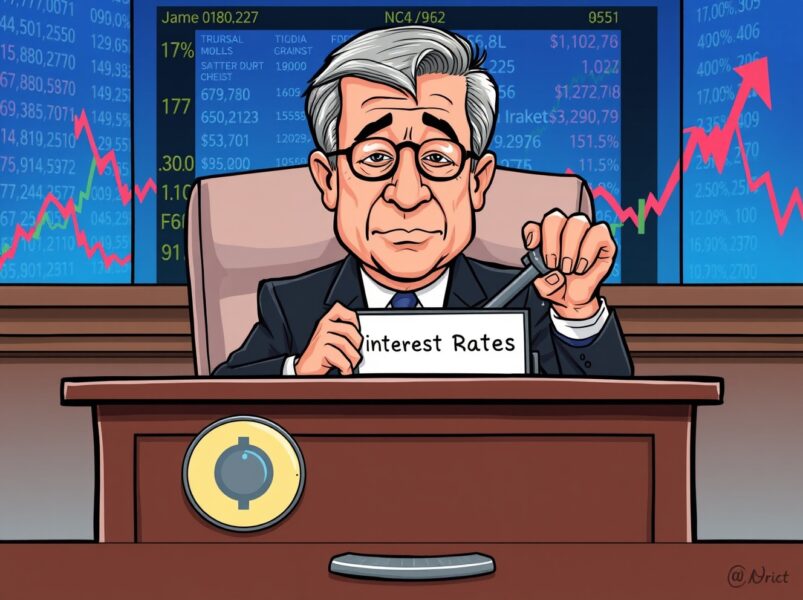
Crucial Fed Rate Cut: Powell’s Bold Risk Management Move Explained

Crucial Fed Rate Cut: Powell’s Bold Risk Management Move Explained

BitcoinWorld Crucial Fed Rate Cut: Powell’s Bold Risk Management Move Explained In a significant development for global financial markets, Federal Reserve Chair Jerome Powell recently described the latest Fed rate cut as a critical risk management measure. This statement immediately captured the attention of investors, economists, and especially those in the dynamic cryptocurrency space. Understanding Powell’s rationale and the potential implications of this move is essential for navigating today’s complex economic landscape. What Exactly is a Fed Rate Cut and Why Does it Matter? A Fed rate cut refers to the Federal Reserve lowering the target range for the federal funds rate. This is the interest rate at which commercial banks borrow and lend their excess reserves to each other overnight. When the Fed lowers this rate, it typically makes borrowing cheaper across the entire economy. This decision impacts everything from mortgage rates to business loans. The Fed uses interest rates as a primary tool to influence economic activity, aiming to achieve maximum employment and stable prices. A lower rate often stimulates spending and investment, but it can also signal concerns about economic slowdown. Key reasons for a rate cut often include: Slowing economic growth or recession fears. Low inflation or deflationary pressures. Global economic instability impacting domestic markets. A desire to provide more liquidity to the financial system. Powell’s emphasis on ‘risk management’ suggests a proactive approach. The Fed is not just reacting to current data but also anticipating potential future challenges. They are essentially trying to prevent a worse economic outcome by adjusting policy now. How Does a Fed Rate Cut Influence the Broader Economy? When the Federal Reserve implements a Fed rate cut, it sends ripples throughout the financial world. For traditional markets, lower interest rates generally mean: Boost for Stocks: Companies can borrow more cheaply, potentially increasing profits and stock valuations. Investors might also move money from lower-yielding bonds into equities. Cheaper Borrowing: Consumers and businesses enjoy lower rates on loans, from mortgages to credit cards, encouraging spending and investment. Weaker Dollar: Lower rates can make a country’s currency less attractive to foreign investors, potentially leading to a weaker dollar. Bond Market Shifts: Existing bonds with higher yields become more attractive, while newly issued bonds will have lower yields. This shift in monetary policy aims to inject confidence and liquidity into the system, countering potential economic headwinds. However, there’s always a delicate balance to strike, as too much stimulus can lead to inflationary pressures down the line. What Does This Fed Rate Cut Mean for Cryptocurrency Investors? The impact of a Fed rate cut on the cryptocurrency market is often a topic of intense discussion. While crypto assets operate independently of central banks, they are not immune to broader macroeconomic forces. Here’s how a rate cut can play out: Increased Risk Appetite: With traditional savings and bond yields potentially lower, investors might seek higher returns in riskier assets, including cryptocurrencies like Bitcoin and Ethereum. Inflation Hedge Narrative: Some view cryptocurrencies, particularly Bitcoin, as a hedge against inflation and traditional currency debasement. If a rate cut leads to concerns about inflation, this narrative could gain traction. Liquidity Influx: A more accommodative monetary policy can increase overall liquidity in the financial system, some of which may flow into digital assets. Dollar Weakness: A weaker dollar, a potential consequence of rate cuts, can sometimes make dollar-denominated assets like crypto more appealing to international investors. However, it’s crucial to remember that the crypto market also has its unique drivers, including technological developments, regulatory news, and market sentiment. While a Fed rate cut can provide a tailwind, it’s not the sole determinant of crypto performance. Navigating the New Landscape: Actionable Insights for Crypto Investors Given the Federal Reserve’s stance on risk management through a Fed rate cut, what steps can crypto investors consider? Stay Informed: Keep a close watch on further Fed announcements and economic data. Understanding the broader macroeconomic picture is vital. Diversify Your Portfolio: While a rate cut might favor risk assets, a balanced portfolio that includes a mix of traditional and digital assets can help mitigate volatility. Long-Term Perspective: Focus on the fundamental value and long-term potential of your chosen cryptocurrencies rather than short-term fluctuations driven by macro news. Assess Risk Tolerance: Re-evaluate your personal risk tolerance in light of potential market shifts. Lower rates can encourage speculation, but prudence remains key. Powell’s description of the Fed rate cut as a risk management measure highlights the central bank’s commitment to maintaining economic stability. For cryptocurrency enthusiasts, this move underscores the increasing interconnectedness of traditional finance and the digital asset world. While a rate cut can create opportunities, a thoughtful and informed approach is always the best strategy. Frequently Asked Questions (FAQs) What exactly is a Fed rate cut? A Fed rate cut is when the Federal Reserve lowers its target for the federal funds rate, which is the benchmark interest rate banks charge each other for overnight lending. This action makes borrowing cheaper across the economy, aiming to stimulate economic activity. Why did Powell emphasize “risk management” for this Fed rate cut? Jerome Powell emphasized “risk management” to indicate that the Fed was proactively addressing potential economic slowdowns or other future challenges. It suggests a preventative measure to safeguard against adverse economic conditions rather than merely reacting to existing problems. How does a Fed rate cut typically affect the crypto market? A Fed rate cut can make traditional investments less attractive due to lower yields, potentially driving investors towards higher-risk, higher-reward assets like cryptocurrencies. It can also increase overall market liquidity and strengthen the narrative of crypto as an inflation hedge. Should crypto investors change their strategy after a rate cut? While a rate cut can influence market dynamics, crypto investors should primarily focus on their long-term strategy, fundamental research, and risk tolerance. It’s wise to stay informed about macroeconomic trends but avoid making impulsive decisions based solely on a single policy change. What are the potential downsides of a Fed rate cut? Potential downsides include increased inflationary pressures if the economy overheats, a weaker national currency, and the possibility of creating asset bubbles as investors chase higher returns in riskier markets. It can also signal underlying concerns about economic health. Did you find this article insightful? Share your thoughts and help others understand the implications of the Fed’s latest move! Follow us on social media for more real-time updates and expert analysis. To learn more about the latest crypto market trends, explore our article on key developments shaping Bitcoin’s price action. This post Crucial Fed Rate Cut: Powell’s Bold Risk Management Move Explained first appeared on BitcoinWorld.
Share
Coinstats2025/09/18 16:40
Why Vitalik Buterin Just Pulled 16,384 ETH From His Holdings

Why Vitalik Buterin Just Pulled 16,384 ETH From His Holdings

The post Why Vitalik Buterin Just Pulled 16,384 ETH From His Holdings appeared first on Coinpedia Fintech News Ethereum co-founder Vitalik Buterin just withdrew
Share
CoinPedia2026/01/30 18:19
Record-breaking streak ends – Rabobank

Record-breaking streak ends – Rabobank

The post Record-breaking streak ends – Rabobank appeared on BitcoinEthereumNews.com. Rabobank’s report notes that Gold has seen a significant retracement, ending
Share
BitcoinEthereumNews2026/01/30 18:24