Nigeria’s LNG Gains Importance as Global Energy Flows Shift

Nigeria is experiencing renewed commercial interest in its liquefied natural gas exports, as geopolitical tensions reshape global energy flows and buyers seek to diversify supply sources.
The shift reflects a broader realignment in global energy markets, where security of supply is becoming as important as price.
Diversification drives demand
In recent years, global LNG buyers — particularly in Europe and parts of Asia — have increasingly prioritised diversification. Disruptions in traditional supply corridors and rising geopolitical risk have accelerated this trend.
Nigeria, as one of the world’s largest LNG exporters, is well positioned to benefit.
Its Atlantic-facing supply routes and established export infrastructure provide an alternative to more exposed or politically sensitive energy sources. As a result, Nigerian cargoes are gaining renewed attention in a market where flexibility and reliability are increasingly valued.
From commodity to strategic asset
LNG is no longer viewed purely as a traded commodity. It is becoming a strategic asset within national energy security frameworks.
This shift is changing how buyers engage with suppliers. Long-term contracts, portfolio diversification and geopolitical alignment are playing a larger role in procurement decisions.
For Nigeria, this creates an opportunity to reposition its LNG sector within a more strategic global context.
Constraints remain
Despite favourable market dynamics, structural constraints continue to limit Nigeria’s ability to fully capture this opportunity.
Production challenges, infrastructure bottlenecks and investment delays have affected output levels in recent years. Addressing these constraints will be critical if Nigeria is to scale supply and meet rising demand.
At the same time, global competition remains strong, with major LNG exporters expanding capacity and seeking to secure long-term market share.
Nigeria’s Role
The current market environment is reinforcing Nigeria’s role as a relevant and flexible LNG supplier.
If structural constraints are addressed and investment flows accelerate, the country could strengthen its position within the evolving global energy landscape — not just as a producer, but as a strategic partner in supply diversification.
The post Nigeria’s LNG Gains Importance as Global Energy Flows Shift appeared first on FurtherAfrica.
You May Also Like
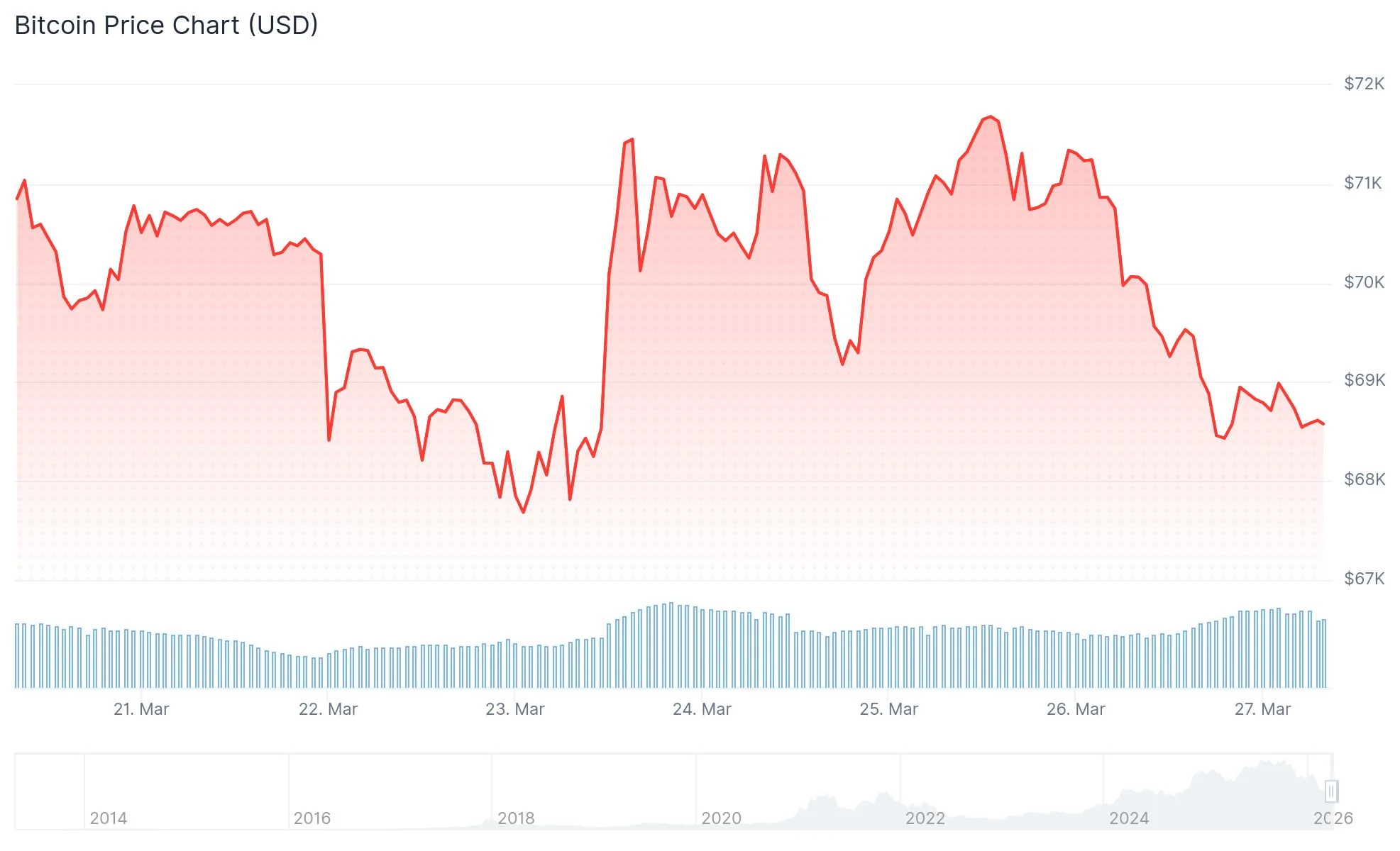
Trump’s Iran Strike Extension: How Bitcoin, Equities, and Crude Oil Are Reacting

Netflix (NFLX) Stock; Rises Slightly as Company Raises Prices Across All Streaming Plans