

Robinhood and dYdX Labs have unveiled Arcus, a new decentralized exchange (DEX) built on Robinhood Chain, a Layer 2 blockchain powered by Arbitrum technology. The platform enables perpetual trading anRobinhood and dYdX Labs have unveiled Arcus, a new decentralized exchange (DEX) built on Robinhood Chain, a Layer 2 blockchain powered by Arbitrum technology. The platform enables perpetual trading an
Robinhood and dYdX Launch Arcus: The Race for Tokenized Stocks and 24/7 Trading Is Heating Up

Robinhood and dYdX Labs have unveiled Arcus, a new decentralized exchange (DEX) built on Robinhood Chain, a Layer 2 blockchain powered by Arbitrum technology. The platform enables perpetual trading and access to 95 tokenized stocks with zero trading fees, aiming to bring the U.S. equity market to global investors through a 24/7 trading model.
Arcus not only represents Robinhood's latest step toward blockchain-based capital markets, but also highlights the growing convergence between traditional finance, DeFi, and tokenized real-world assets (RWAs). At the same time, it is widely viewed as a direct competitive response to Hyperliquid, the rapidly expanding decentralized perpetual trading platform.
Key Takeaways
Robinhood and dYdX Labs have launched the Arcus DEX on Robinhood Chain.
Arcus supports 95 tokenized stocks available for trading around the clock.
Global users can access U.S. equity markets without traditional trading-hour restrictions.
The platform aims to combine tokenized equities, perpetual contracts, and digital assets within a single ecosystem.
Arcus represents a new front in the competition against Hyperliquid and other decentralized perpetual exchanges.
Asset tokenization is becoming a strategic trend across global financial markets.
What Is Arcus?
Arcus is a next-generation decentralized exchange developed by dYdX Labs in collaboration with Robinhood Crypto.
The platform operates on Robinhood Chain, an EVM-compatible Layer 2 blockchain built using Arbitrum technology.
Unlike traditional DEXs that primarily focus on cryptocurrencies, Arcus seeks to integrate multiple asset classes within one trading infrastructure, including:
Perpetual contracts
Tokenized real-world assets
Cryptocurrency markets
Potential access to private market assets in the future
According to initial announcements, Arcus currently offers spot trading for 95 tokenized stocks and plans to expand into perpetual markets over time.
Why Is Robinhood Building Robinhood Chain?
For years, Robinhood has primarily been recognized as a retail stock trading platform.
However, the rapid rise of blockchain technology has encouraged the company to expand aggressively into digital assets.
Robinhood Chain reflects the firm's long-term vision.
Building Onchain Financial Infrastructure
Rather than simply offering a trading interface, Robinhood aims to own the underlying blockchain infrastructure supporting:
Tokenized stocks
Stablecoins
Digitized real-world assets
Onchain lending
DeFi products
Enabling 24/7 Trading
One of the biggest limitations of traditional stock markets is limited operating hours.
For example:
U.S. markets trade for roughly 6.5 hours per day.
Markets close during weekends.
Trading pauses for public holidays.
Blockchain networks, by contrast, operate continuously.
This enables investors in:
Asia
Europe
The Middle East
Latin America
to access financial assets at any time.
Expanding International Access
Tokenization helps Robinhood overcome geographical barriers.
Investors outside the United States may gain easier access to U.S. financial assets without needing brokerage accounts at traditional institutions.
How Could Tokenized Stocks Transform Financial Markets?
Arcus arrives at a time when asset tokenization is becoming one of Wall Street's most significant trends.
At its core, stock tokenization converts the economic rights associated with equities into blockchain-based tokens.
This offers several advantages.
Continuous 24/7 Trading
Investors no longer need to wait for markets to open.
Trading activity can occur at any time.
Reduced Intermediary Costs
Blockchain infrastructure can eliminate several traditional layers, including:
Central securities depositories
Clearing houses
Intermediary brokerage firms
Greater Global Accessibility
International investors may gain easier access to U.S. capital markets.
Programmable Assets
Tokenized securities can potentially:
Participate in DeFi protocols
Serve as collateral
Move across multiple blockchain networks
Integrate with stablecoins
This is one reason why major financial institutions are increasingly investing in tokenization initiatives.
Is Arcus Competing Directly With Hyperliquid?
The answer is yes.
Over the past two years, Hyperliquid has emerged as one of the fastest-growing decentralized perpetual exchanges in crypto.
Its strengths include:
High trading volumes
Centralized exchange-like user experience
Fast execution speeds
Deep liquidity
However, Hyperliquid remains largely focused on crypto-native assets.
Arcus is pursuing a broader strategy.
Rather than concentrating solely on digital currencies, the platform seeks to integrate:
Equities
Perpetual products
Real-world assets
Traditional capital markets
If successful, Arcus could potentially expand beyond the current boundaries of DeFi.
dYdX Is Entering a New Phase
The launch of Arcus also suggests that dYdX Labs is entering a new stage of development.
For years, dYdX has been among the largest derivatives protocols in DeFi.
Yet the crypto perpetual market is becoming increasingly competitive with the rise of:
Hyperliquid
Vertex
Drift
Aevo
Expanding into tokenized equities may allow dYdX to reach an entirely new customer segment.
It could also reduce the protocol's dependence on crypto market cycles.
Tokenization Is Becoming Wall Street's Biggest Theme
Arcus is not an isolated case.
Numerous financial institutions are currently participating in the tokenization race.
Areas attracting significant attention include:
Equities
Bonds
Investment funds
Bank deposits
Real estate
Commodities
Many industry experts believe that in the future, a large share of financial assets could exist as blockchain-based tokens.
Such a system would enable markets that are:
Open 24/7
Settled instantly
Globally interoperable
Significantly more cost-efficient
Arcus may represent one of the clearest examples of this evolving trend.
Implications for Robinhood and DeFi
Robinhood's deeper involvement in blockchain infrastructure illustrates how the distinction between traditional fintech and DeFi is becoming increasingly blurred.
If Arcus achieves meaningful scale, the market could see:
Greater adoption of onchain stock trading
New capital inflows from traditional investors
Rising demand for stablecoins
Accelerated growth in tokenized real-world assets
Intensifying competition among next-generation DEXs
This could mark the early stages of a financial system that operates entirely on blockchain infrastructure.
Conclusion
Arcus represents an important milestone in the blockchainization of global capital markets. By combining tokenized stocks, 24/7 trading, and perpetual products within a decentralized platform, Robinhood and dYdX are betting on a future in which every asset class can be traded onchain.
Although regulatory challenges and scalability concerns remain, Arcus demonstrates that tokenization is no longer merely an experimental concept but is increasingly becoming part of next-generation financial infrastructure.
FAQ
What is Arcus?
Arcus is a decentralized exchange developed by dYdX Labs and Robinhood Crypto on Robinhood Chain.
What assets does Arcus support?
The platform currently supports 95 tokenized stocks and plans to expand into perpetual trading.
What is Robinhood Chain?
Robinhood Chain is Robinhood's Layer 2 blockchain built using Arbitrum technology to support tokenized assets and onchain financial applications.
Does Arcus compete with Hyperliquid?
Yes. Arcus is widely viewed as a potential competitor to Hyperliquid in the decentralized perpetual trading sector.
Why are tokenized stocks important?
Tokenization enables stocks to trade 24/7, reduces intermediary costs, and broadens access for global investors.
Disclaimer: The information provided here is for informational purposes only and should not be considered financial, investment, legal, or professional advice. Always conduct your own research, consider your financial situation, and, if necessary, consult with a licensed professional before making any decisions.
市場の機会
4価格(4)
--
----
USD
4 (4) ライブ価格チャート
説明:暗号資産パルスは、AIと公開情報源を活用し、最新のトークントレンドを瞬時にお届けします。専門家の洞察と詳細な分析については、MEXC 学ぶ をご覧ください。
このページで共有されている記事は公開プラットフォームから収集したものであり、参考情報としてのみ提供されています。MEXCの立場や見解を代表するものではありません。すべての権利は Nguyen Rin Hoang に帰属します。第三者の権利を侵害するコンテンツがあると思われる場合は、[email protected] までご連絡いただければ速やかに削除いたします。MEXCはいかなるコンテンツの正確性、完全性、適時性も保証せず、提供された情報に基づいて取られたいかなる行動についても責任を負いません。本コンテンツは、金融、法律、またはその他の専門的なアドバイスを構成するものではなく、MEXCによる推奨または支持として解釈されるべきものでもありません。専門家の洞察と詳細な分析については、MEXC 学ぶ をご覧ください。
4 についてもっと知る
もっと見る
Alphabetのフリーキャッシュフローがマイナスに転落:Google目標株価と2030年予測にとって何を意味するのか
Googleの目標株価とは、Alphabet株が12か月後にどの水準で取引されうるかについての、一人のアナリストによる見積もりです。 株価の動きを予言するものではなく、また関係者が合意した唯一の数字でもありません。 今日、5つの金融サイトを開けば、GOOGLについて5通りの異なる「コンセンサス」目標株価が見つかり、その幅はおよそ40ドルに及びます。 この差は、誰かの計算違いではありません。 各デー
2026/07/23
XRPはSWIFTを置き換えるのか?銀行大手に挑むRippleの「14%」の賭けを読み解く
XRPが話題になるたびに、同じ議論が繰り返されます。暗号資産は本当に、グローバル金融の基盤に挑戦できるのでしょうか。 SWIFTは数十年にわたり数兆ドル規模の資金を国境を越えて動かしてきましたが、処理は遅く、コストも高く、XRPのようなブロックチェーンベースの代替手段からの圧力を強く受けています。 本記事では誇大な期待を取り除き、実際のところを整理します。現在クロスボーダー送金でXRPを本当に使っ
2026/07/23
SpaceXはどのように収益を得ているのか?黒字なのか?3事業のうち実際に利益を上げているのは1事業だけです
SpaceXは3つの事業セグメントから収益を得ていますが、2025年に黒字となったのはそのうち1つだけです。 Starlinkは同年に44億ドルの営業利益を計上しましたが、ロケット事業は6億5,700万ドル、AI事業は64億ドルの営業損失を計上しました。 これらの数字は24年間にわたり非公開でした。 数字が公開されたのは、SpaceXが2026年5月20日に米国証券取引委員会へForm S-1を提
2026/07/21
4 の最新情報
もっと見る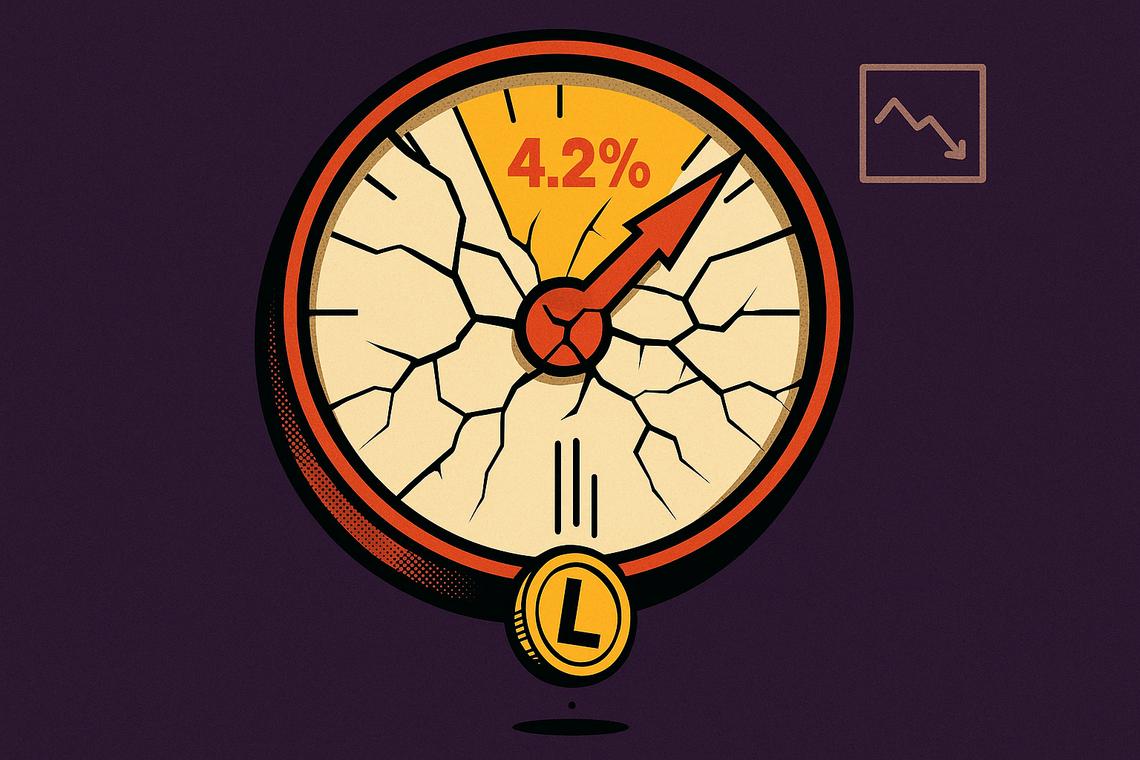
4.2%のインフレが利下げ期待を打ち砕く:上昇するインフレが暗号資産に与える影響
ペプシコがレイズとドリトスの価格を最大15%引き下げたとき、それは単なるマーケティング上の決定ではなく、経済的なシグナルである。スナック菓子大手の2026年第2四半期決算は
2026/07/10

14億ドル相当のBitcoinオプションが本日満期:注目される23,400契約
本日、約14億ドル相当のBitcoinオプション契約23,400件が満期を迎え、短期の価格変動を監視するトレーダーの注目を集めています。
2026/07/10
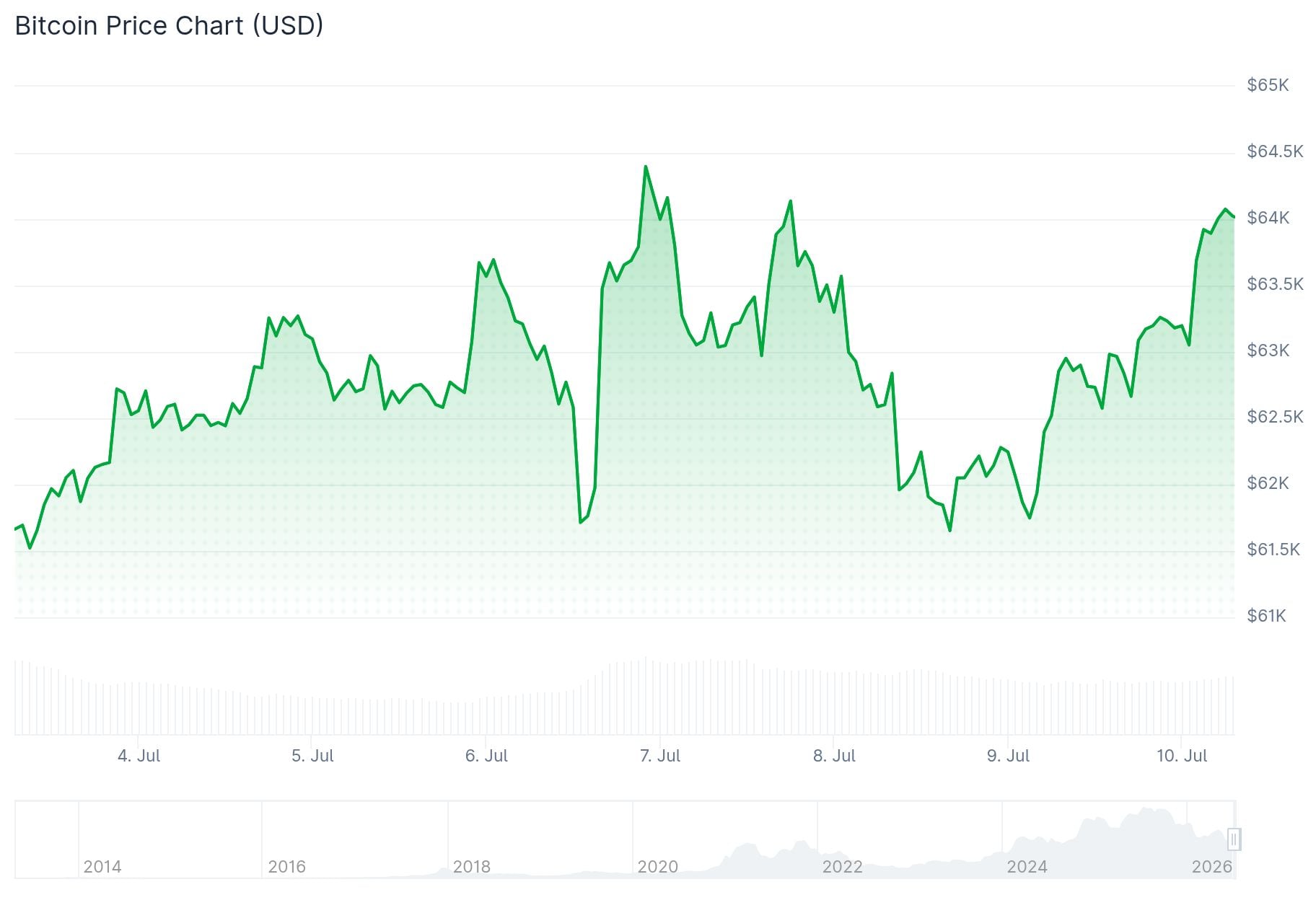
日次市場更新:AIチップ需要の拡大に伴いナスダックが1.3%上昇、Bitcoinが回復
TLDR Bitcoinは3.5%上昇し、ほぼ64,000ドルとなり、週間では4.2%の上昇で終了 Ether、XRP、Dogecoin、Solanaも金曜日にすべて上昇 ナスダックが米株高を主導
2026/07/10


ホット
現在、市場で大きな注目を集めているトレンドの暗号資産
暗号資産価格
取引高が最も多い暗号資産