

The private market for SpaceX shares has become one of the most remarkable wealth-creation stories in modern investing. Over the past several months, demand for SpaceX stock in secondary markets has sThe private market for SpaceX shares has become one of the most remarkable wealth-creation stories in modern investing. Over the past several months, demand for SpaceX stock in secondary markets has s
SpaceX Secondary Shares Jump 50% as Private Market Demand Surges — Early Sellers Regret Exit Timing

The private market for SpaceX shares has become one of the most remarkable wealth-creation stories in modern investing. Over the past several months, demand for SpaceX stock in secondary markets has surged dramatically, pushing the company's valuation far beyond previous estimates and leaving many early sellers wondering whether they exited too soon.
SpaceX, the aerospace and satellite communications company founded by Elon Musk in 2002, has long been regarded as one of the world’s most valuable private companies. However, recent developments in the private-share market have elevated the company to an entirely new level, highlighting the growing importance of secondary markets as an alternative investment avenue.
1.What Happened?
Reports from late 2025 suggested that SpaceX was exploring a secondary share sale that would value the company at approximately $800 billion. At the time, that figure was already considered extraordinary and would have made SpaceX America's most valuable private company. Yet demand continued to intensify as investors sought exposure to the company before any potential public offering.
By the first half of 2026, private-market platforms and investors were trading SpaceX shares at valuations ranging from roughly $1.3 trillion to $1.5 trillion, representing an increase of around 50% from the previously reported $800 billion valuation. Some market estimates even implied values approaching $1.8 trillion.
This sharp rise has created enormous gains for investors who held onto their shares while generating regret among those who sold earlier for liquidity or risk-management reasons.
2.Understanding Secondary Markets
Unlike publicly listed companies, private firms such as SpaceX do not trade on stock exchanges. Instead, investors buy and sell shares through secondary markets, where existing shareholders—including employees, early investors, and venture capital firms—can sell their stakes to interested bMarket
Secondary markets have grown significantly in recent years as successful technology companies remain private for longer periods. According to research cited by PitchBook, the U.S. venture-capital secondary market reached an annualized value exceeding $112 billion during the first quarter of 2026, demonstrating the increasing importance of private-share transactions.
For companies like SpaceX, these markets provide liquidity without the regulatory burdens associated with a public listing.
3.Why Investors Are Rushing Into SpaceX
Several factors are driving investor enthusiasm.
First, SpaceX dominates the global commercial launch industry. The company conducts frequent rocket launches, serves government and commercial customers, and continues to develop its ambitious Starship program.
Second, its satellite internet division, Starlink, has become a major growth engine. The service has expanded rapidly across multiple countries and is increasingly viewed as a stable, recurring-revenue business that complements SpaceX's launch operations.
Third, investors see SpaceX as a rare opportunity to gain exposure to a company operating at the intersection of space technology, telecommunications, defense, and infrastructure. Such businesses are difficult to replicate and often command premium valuations.
The result has been intense competition among investors seeking access to limited shares, driving prices steadily higher.
4.The Sellers Who Left Too Early
The recent surge has created a common problem for early shareholders: seller’s remorse.
Many employees, early investors, and shareholders sold portions of their holdings when valuations appeared attractive. At the time, locking in profits seemed like a sensible decision. However, as private-market prices continued to climb, those same sellers watched the value of their former shares increase substantially.
The phenomenon is not unique to SpaceX. In rapidly appreciating private companies, shareholders often face difficult decisions between securing immediate gains and remaining invested for potential future growth. SpaceX's dramatic valuation increase has simply magnified that dilemma.
5.Risks Behind the Excitement
Despite the enthusiasm, experts caution that investing in private markets carries significant risks.
Unlike public stocks, private-company shares can be difficult to value accurately. Prices are often based on limited transactions rather than continuous market activity. As a result, valuations may fluctuate considerably depending on investor sentiment and demand.
There are also concerns about transparency. Some secondary-market transactions involve complex investment structures known as Special Purpose Vehicles (SPVs), which can make ownership arrangements difficult to verify. Industry observers have warned that investors should carefully understand what they are purchasing before committing capital.
Furthermore, future market conditions, economic uncertainty, or changes in SpaceX's business performance could affect valuations.
6.A Sign of a Changing Investment Landscape
The SpaceX story reflects a broader shift occurring across global financial markets. High-growth technology companies are remaining private for longer periods, while secondary markets are increasingly serving as the bridge between venture-capital funding and eventual public listings.
As private-company valuations continue to rise, investors are becoming more willing to pay premium prices for access to promising businesses before they reach stock exchanges. SpaceX has become the clearest example of this trend.
7.Conclusion
SpaceX's approximately 50% jump in secondary-market valuation has highlighted both the opportunities and challenges of investing in private companies. Strong demand, confidence in the company’s future, and limited share availability have combined to push valuations to unprecedented levels. While long-term holders have benefited enormously, many early sellers are now questioning whether they exited too soon.
Whether SpaceX ultimately justifies these lofty valuations remains to be seen. What is certain, however, is that the company's rise has reshaped perceptions of private-market investing and demonstrated the extraordinary appetite investors have for one of the world’s most influential technology companies.
Disclaimer:This content is for educational and reference purposes only and does not constitute any investment advice. Digital asset investments carry high risk. Please evaluate carefully and assume full responsibility for your own decisions.
市場の機会
4価格(4)
--
----
USD
4 (4) ライブ価格チャート
説明:暗号資産パルスは、AIと公開情報源を活用し、最新のトークントレンドを瞬時にお届けします。専門家の洞察と詳細な分析については、MEXC 学ぶ をご覧ください。
このページで共有されている記事は公開プラットフォームから収集したものであり、参考情報としてのみ提供されています。MEXCの立場や見解を代表するものではありません。すべての権利は Mubashir に帰属します。第三者の権利を侵害するコンテンツがあると思われる場合は、[email protected] までご連絡いただければ速やかに削除いたします。MEXCはいかなるコンテンツの正確性、完全性、適時性も保証せず、提供された情報に基づいて取られたいかなる行動についても責任を負いません。本コンテンツは、金融、法律、またはその他の専門的なアドバイスを構成するものではなく、MEXCによる推奨または支持として解釈されるべきものでもありません。専門家の洞察と詳細な分析については、MEXC 学ぶ をご覧ください。
4 についてもっと知る
もっと見る
Alphabetのフリーキャッシュフローがマイナスに転落:Google目標株価と2030年予測にとって何を意味するのか
Googleの目標株価とは、Alphabet株が12か月後にどの水準で取引されうるかについての、一人のアナリストによる見積もりです。 株価の動きを予言するものではなく、また関係者が合意した唯一の数字でもありません。 今日、5つの金融サイトを開けば、GOOGLについて5通りの異なる「コンセンサス」目標株価が見つかり、その幅はおよそ40ドルに及びます。 この差は、誰かの計算違いではありません。 各デー
2026/07/23
XRPはSWIFTを置き換えるのか?銀行大手に挑むRippleの「14%」の賭けを読み解く
XRPが話題になるたびに、同じ議論が繰り返されます。暗号資産は本当に、グローバル金融の基盤に挑戦できるのでしょうか。 SWIFTは数十年にわたり数兆ドル規模の資金を国境を越えて動かしてきましたが、処理は遅く、コストも高く、XRPのようなブロックチェーンベースの代替手段からの圧力を強く受けています。 本記事では誇大な期待を取り除き、実際のところを整理します。現在クロスボーダー送金でXRPを本当に使っ
2026/07/23
SpaceXはどのように収益を得ているのか?黒字なのか?3事業のうち実際に利益を上げているのは1事業だけです
SpaceXは3つの事業セグメントから収益を得ていますが、2025年に黒字となったのはそのうち1つだけです。 Starlinkは同年に44億ドルの営業利益を計上しましたが、ロケット事業は6億5,700万ドル、AI事業は64億ドルの営業損失を計上しました。 これらの数字は24年間にわたり非公開でした。 数字が公開されたのは、SpaceXが2026年5月20日に米国証券取引委員会へForm S-1を提
2026/07/21
4 の最新情報
もっと見る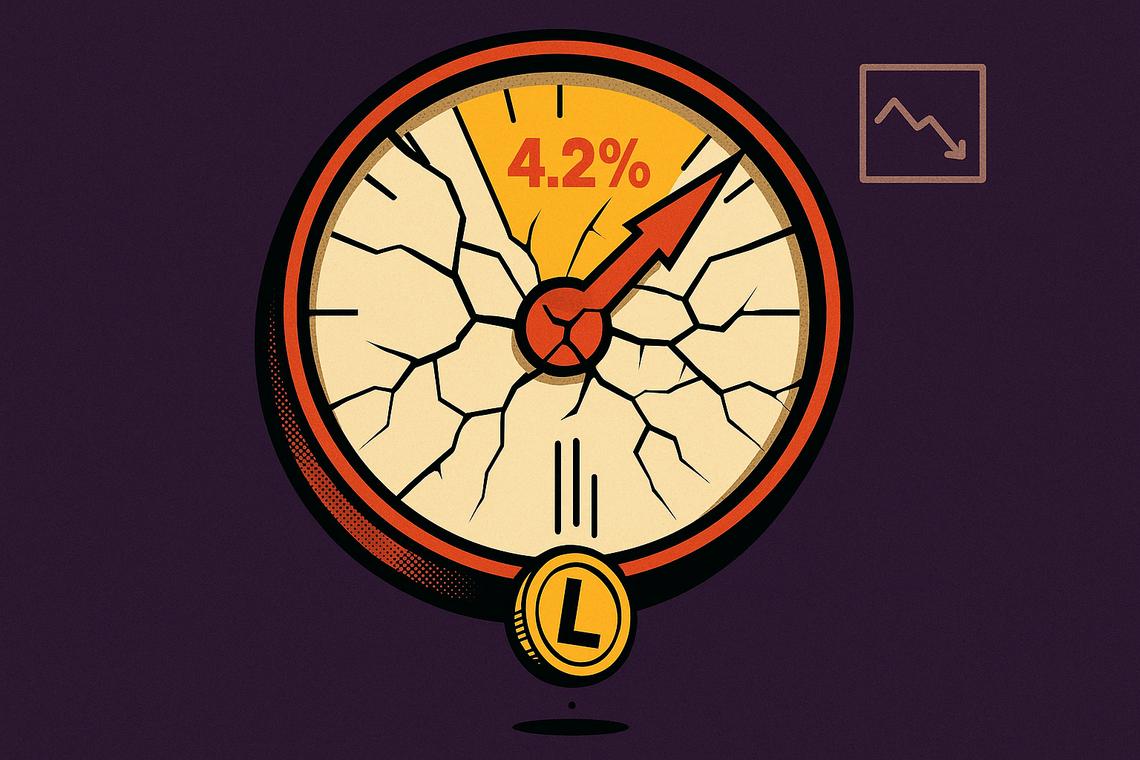
4.2%のインフレが利下げ期待を打ち砕く:上昇するインフレが暗号資産に与える影響
ペプシコがレイズとドリトスの価格を最大15%引き下げたとき、それは単なるマーケティング上の決定ではなく、経済的なシグナルである。スナック菓子大手の2026年第2四半期決算は
2026/07/10

14億ドル相当のBitcoinオプションが本日満期:注目される23,400契約
本日、約14億ドル相当のBitcoinオプション契約23,400件が満期を迎え、短期の価格変動を監視するトレーダーの注目を集めています。
2026/07/10
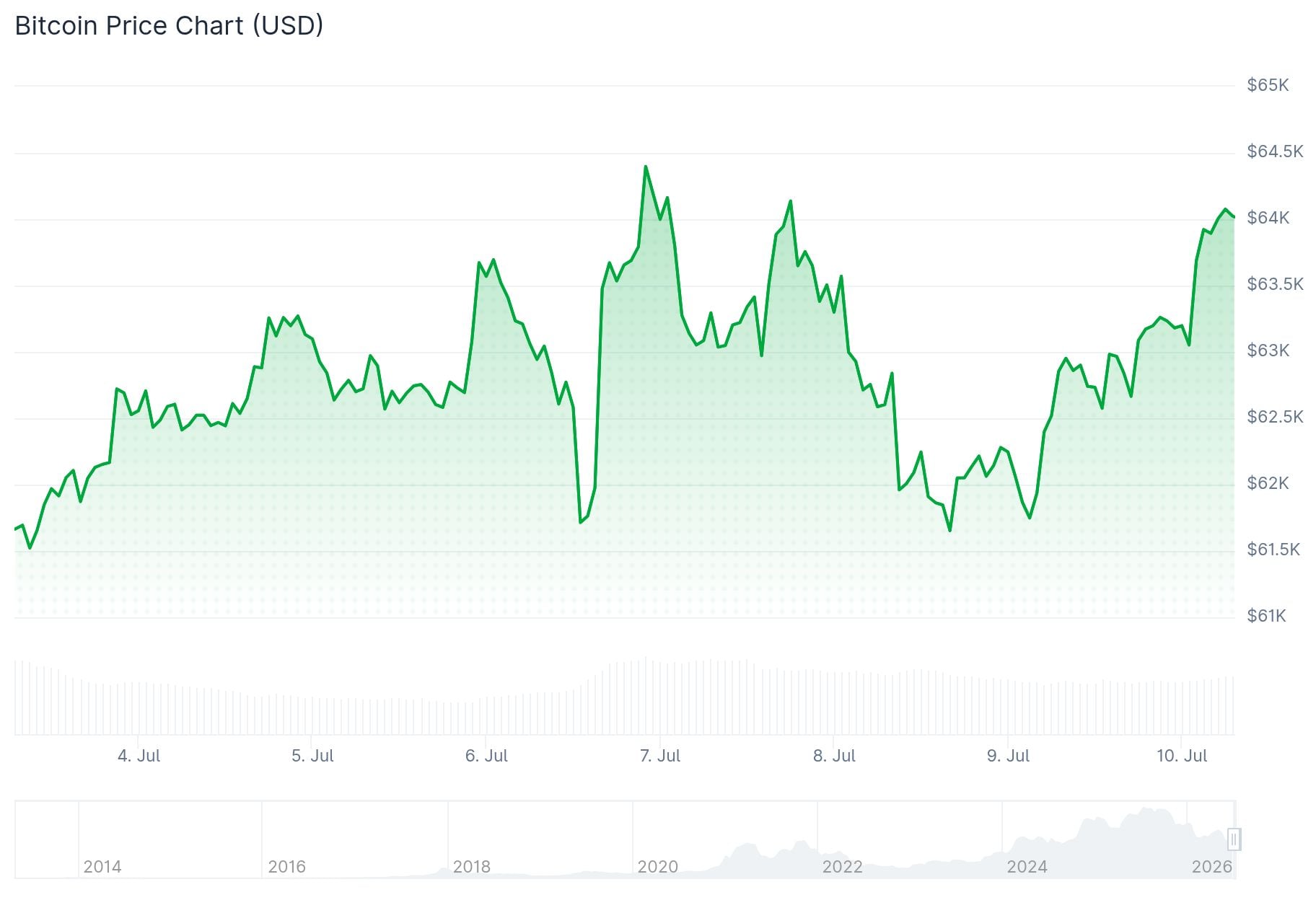
日次市場更新:AIチップ需要の拡大に伴いナスダックが1.3%上昇、Bitcoinが回復
TLDR Bitcoinは3.5%上昇し、ほぼ64,000ドルとなり、週間では4.2%の上昇で終了 Ether、XRP、Dogecoin、Solanaも金曜日にすべて上昇 ナスダックが米株高を主導
2026/07/10


ホット
現在、市場で大きな注目を集めているトレンドの暗号資産
暗号資産価格
取引高が最も多い暗号資産