

USD Depreciation: Iran-Driven Swings Signal Shallow Decline, OCBC Reveals
BitcoinWorld
USD Depreciation: Iran-Driven Swings Signal Shallow Decline, OCBC Reveals
Singapore, March 2025 – The US dollar exhibits notable volatility driven by Iranian geopolitical developments, yet OCBC Bank analysis suggests these movements point toward only shallow depreciation ahead. Recent market fluctuations reflect complex global dynamics rather than fundamental dollar weakness. Consequently, traders monitor these patterns closely for strategic positioning opportunities.
USD Depreciation Analysis: Iran’s Geopolitical Impact
Geopolitical tensions involving Iran consistently influence currency markets significantly. The US dollar responds to Middle Eastern developments with measurable volatility. OCBC’s research team identifies specific patterns in these movements. Their analysis reveals important insights about dollar resilience.
Recent weeks show increased dollar fluctuations against major currencies. These movements correlate with Iranian nuclear negotiations and regional conflicts. However, the dollar maintains underlying strength despite surface volatility. Market participants observe this phenomenon carefully for trading signals.
Historical data demonstrates similar patterns during previous geopolitical crises. The dollar often experiences temporary weakness before recovering stability. This pattern appears consistent with current market behavior. Analysts reference multiple previous instances for comparison.
OCBC’s Currency Market Methodology
OCBC employs sophisticated analytical frameworks for currency assessment. Their methodology combines quantitative models with geopolitical analysis. The bank’s research division monitors real-time market data continuously. They integrate multiple data sources for comprehensive insights.
Expert Analysis and Market Context
Currency strategists at OCBC emphasize several key factors. First, Iran’s economic situation affects global energy markets substantially. Second, dollar movements reflect broader risk sentiment accurately. Third, Federal Reserve policy remains the primary dollar driver fundamentally.
The bank’s latest report provides detailed examination of these relationships. Their analysis covers the past six months of market data thoroughly. Researchers identify specific correlation patterns between events and currency movements. These findings inform their shallow depreciation forecast directly.
Market participants generally acknowledge OCBC’s currency research credibility. The bank maintains extensive historical databases for analysis. Their team includes experienced geopolitical risk analysts. This expertise strengthens their forecasting methodology considerably.
Geopolitical Factors and Currency Dynamics
Iran-related developments create specific market impacts consistently. Sanctions announcements produce immediate dollar reactions typically. Nuclear negotiations progress affects risk sentiment significantly. Regional proxy conflicts influence oil prices and currency values simultaneously.
The table below illustrates recent correlation patterns:
| Event Type | USD Initial Reaction | Recovery Timeline |
|---|---|---|
| Sanctions Announcements | 0.5-1.2% weakening | 3-5 trading days |
| Nuclear Negotiations | 0.3-0.8% volatility | 1-2 weeks |
| Regional Conflicts | 0.8-1.5% movement | Variable by severity |
These patterns demonstrate temporary nature of geopolitical impacts. The dollar shows remarkable resilience historically. Market participants recognize this characteristic increasingly. Consequently, positioning adjusts accordingly during volatility episodes.
Comparative Currency Performance Analysis
The dollar’s performance relative to other currencies provides important context. Major currencies exhibit different sensitivity levels to Iranian developments. The euro shows moderate reaction typically. Asian currencies demonstrate varied responses based on regional exposure.
OCBC’s analysis identifies several key observations:
- Euro-Dollar pair shows 0.4% average movement during Iran events
- Dollar-Yen pair exhibits safe-haven characteristics consistently
- Emerging market currencies experience amplified volatility typically
- Commodity currencies correlate with oil price movements closely
These differential responses create trading opportunities for informed participants. However, the dollar’s dominant position remains unchallenged fundamentally. Reserve currency status provides inherent stability advantages. This structural factor supports OCBC’s shallow depreciation view strongly.
Market Implications and Trading Strategies
Current market conditions suggest specific approaches for participants. Short-term traders might capitalize on volatility spikes opportunistically. Long-term investors should maintain strategic dollar allocations despite fluctuations. Institutional players adjust hedging strategies based on geopolitical developments.
The shallow depreciation forecast carries several practical implications:
- Reduced need for aggressive dollar hedging programs
- Moderate adjustment of currency exposure allocations
- Selective opportunities in correlated asset classes
- Careful monitoring of Federal Reserve policy signals
Market participants increasingly recognize geopolitical events as temporary factors. Consequently, reaction patterns become more predictable over time. This maturation supports more efficient price discovery processes. Market functioning improves despite ongoing volatility sources.
Broader Economic Context and Dollar Fundamentals
The US economy’s underlying strength supports dollar valuation substantially. Several fundamental factors contribute to this resilience. First, relative growth differentials favor the United States currently. Second, interest rate differentials maintain dollar attractiveness. Third, safe-haven demand persists during global uncertainty periods.
Federal Reserve policy remains the primary dollar driver fundamentally. Monetary policy decisions outweigh geopolitical factors in the medium term. Market participants recognize this hierarchy increasingly. Consequently, reactions to geopolitical events become more measured over time.
Global reserve managers continue holding substantial dollar allocations. This structural demand provides consistent support during volatility episodes. Institutional positioning demonstrates confidence in dollar stability. These factors combine to limit depreciation potential significantly.
Conclusion
OCBC’s analysis of USD depreciation patterns reveals important insights about market dynamics. Iran-driven volatility creates temporary fluctuations rather than trend changes. The dollar demonstrates underlying resilience despite geopolitical pressures. Market participants should interpret these movements as shallow depreciation signals accordingly. Consequently, strategic positioning should reflect this nuanced understanding of currency markets. The dollar’s fundamental strengths remain intact despite surface volatility from Iranian developments.
FAQs
Q1: What does OCBC mean by “shallow depreciation” for the USD?
OCBC refers to limited downward movement in dollar value, typically less than 5% against major currency baskets, with quick recovery potential rather than sustained decline.
Q2: How specifically do Iran-related events affect the US dollar?
Iran developments influence the dollar through oil price channels, risk sentiment shifts, and safe-haven flows, creating temporary volatility that typically resolves within weeks.
Q3: What time frame does OCBC’s analysis cover?
The analysis examines six months of market data with historical comparisons to previous geopolitical events, focusing on pattern recognition and correlation analysis.
Q4: How should traders respond to this shallow depreciation forecast?
Traders might consider short-term volatility strategies while maintaining longer-term dollar positions, with careful attention to Federal Reserve policy signals.
Q5: What other factors could change this shallow depreciation outlook?
Major Federal Reserve policy shifts, significant US economic deterioration, or unprecedented geopolitical escalation could alter the forecast, though these remain lower probability scenarios currently.
This post USD Depreciation: Iran-Driven Swings Signal Shallow Decline, OCBC Reveals first appeared on BitcoinWorld.


추천 콘텐츠
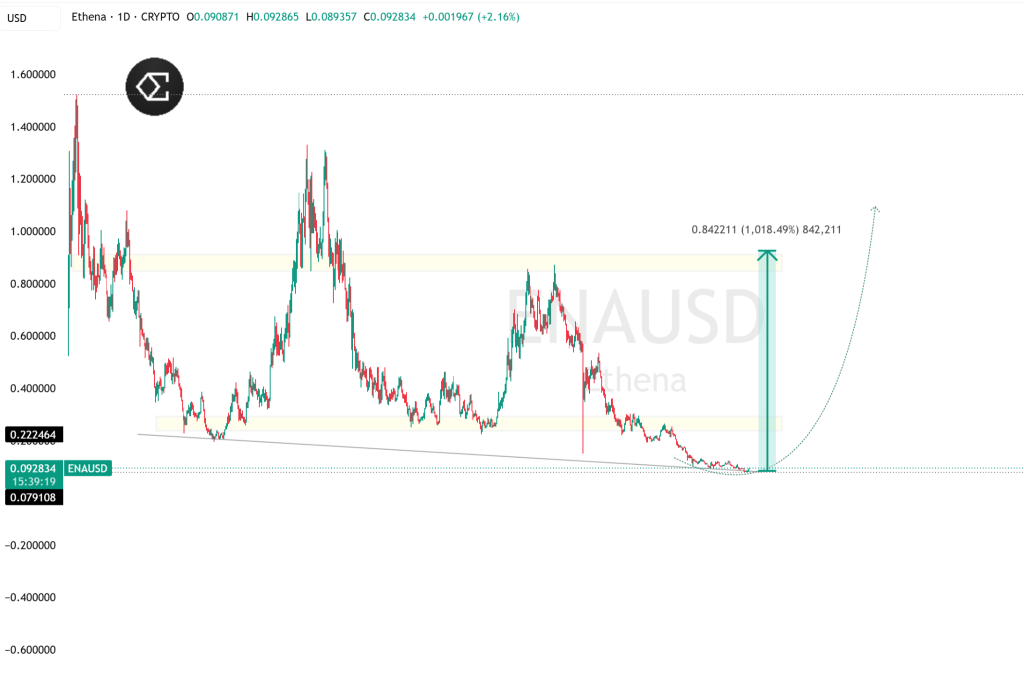
Ethena ($ENA) Volume Explodes – Here’s What Could Happen Next

Crypto Update: BTC Breaks $71K as Pepeto Presale Fills Faster




