

Indian Rupee Faces Policy Tightrope Amid Energy Shock, Societe Generale Warns
BitcoinWorld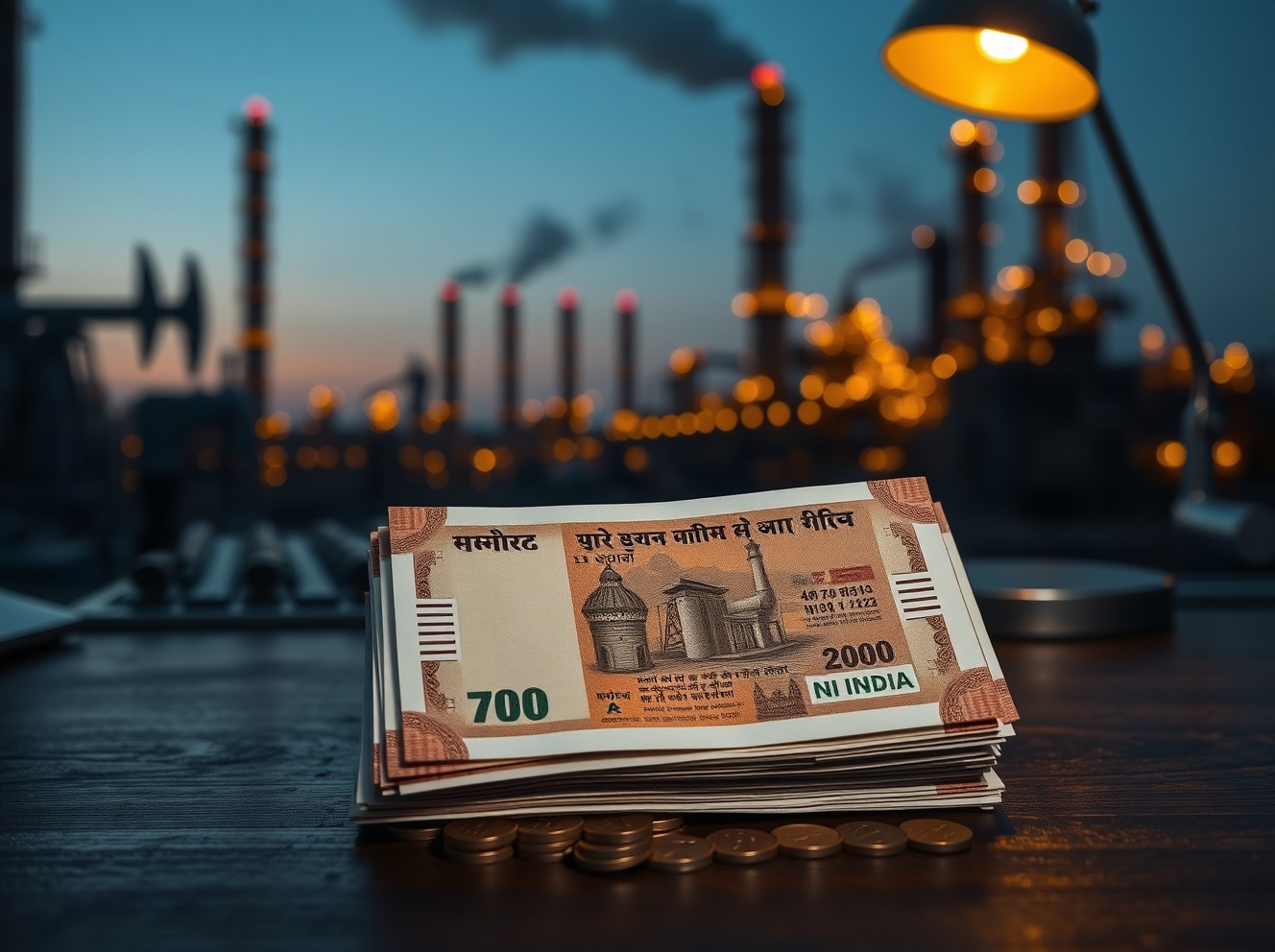
Indian Rupee Faces Policy Tightrope Amid Energy Shock, Societe Generale Warns
India’s central bank is navigating a narrow policy corridor as rising global energy prices intensify pressure on the rupee, according to a recent analysis by Societe Generale. The French banking group highlights that the Reserve Bank of India (RBI) faces increasingly difficult trade-offs between containing inflation, supporting economic growth, and stabilizing the currency.
Energy Shock and Rupee Vulnerability
India imports roughly 85% of its crude oil requirements, making it one of the most energy-sensitive major economies. When global oil prices spike, the country’s import bill swells, widening the current account deficit and putting downward pressure on the rupee. Societe Generale’s note, released this week, underscores that the latest energy price volatility — driven by geopolitical tensions and supply constraints — has exacerbated these structural vulnerabilities.
The rupee has already depreciated by approximately 4% against the U.S. dollar in the past six months, touching record lows near 84 per dollar in early 2025. While a weaker rupee can boost exports, it also raises the cost of imported goods, particularly fuel and edible oils, feeding into domestic inflation.
RBI’s Balancing Act
The RBI has historically used a combination of interest rate adjustments and foreign exchange intervention to manage the rupee. However, Societe Generale points out that the current environment leaves limited room for maneuver. Raising rates aggressively could slow economic growth — still recovering from pandemic-era disruptions — while allowing the rupee to weaken further risks importing inflation and destabilizing financial markets.
Data from the RBI shows that the central bank has drawn down its foreign exchange reserves by nearly $40 billion over the past year to defend the rupee, reducing the buffer to around $580 billion. While still comfortable, the pace of depletion has raised concerns about sustainability if energy prices remain elevated.
What This Means for Indian Households and Businesses
For consumers, the most immediate impact is at the fuel pump. Petrol and diesel prices in India are already near record highs in several states, and any further depreciation of the rupee would likely push them higher. Businesses that rely on imported raw materials — from electronics to chemicals — face margin compression, which could slow investment and hiring.
On the positive side, export-oriented sectors such as IT services, pharmaceuticals, and textiles may benefit from a weaker rupee, as their services become cheaper for foreign buyers. However, Societe Generale cautions that the net effect on the broader economy is likely negative if energy prices stay elevated for an extended period.
Conclusion
The Indian rupee’s trajectory in the coming months will depend heavily on global energy prices and the RBI’s ability to calibrate its policy response. Societe Generale’s analysis serves as a reminder that no single policy tool can fully insulate India from external shocks. The central bank’s credibility and the government’s fiscal discipline will be tested as they attempt to steer the economy through this turbulent phase.
FAQs
Q1: Why does an energy shock affect the Indian rupee more than other currencies?
India is one of the world’s largest crude oil importers, with domestic production meeting only about 15% of demand. A rise in oil prices directly widens the trade deficit, increasing demand for U.S. dollars and putting depreciation pressure on the rupee.
Q2: What tools does the RBI have to stabilize the rupee?
The RBI can raise interest rates to attract foreign capital, sell U.S. dollars from its foreign exchange reserves to support the rupee, or tighten liquidity to reduce speculative pressure. Each tool has trade-offs for growth and inflation.
Q3: How long could the rupee remain under pressure?
If global energy prices remain elevated through 2025, the rupee could stay weak or depreciate further. A sustained decline in oil prices or a strong inflow of foreign investment into Indian markets could ease the pressure.
This post Indian Rupee Faces Policy Tightrope Amid Energy Shock, Societe Generale Warns first appeared on BitcoinWorld.


추천 콘텐츠

Why Cathie Wood Thinks Bitcoin Will Reach $1.25 Million

Luxor Ships Commander Software to Optimize Bitcoin Mining Fleet Profitability – News Bytes Bitcoin News

Vodacom Tanzania Modernises M-Pesa With $28m Infrastructure Upgrade


인기 뉴스
더보기
