

Tether USDT Burn Reaches $2.5B as Tron Liquidity Hits 6-Month Low
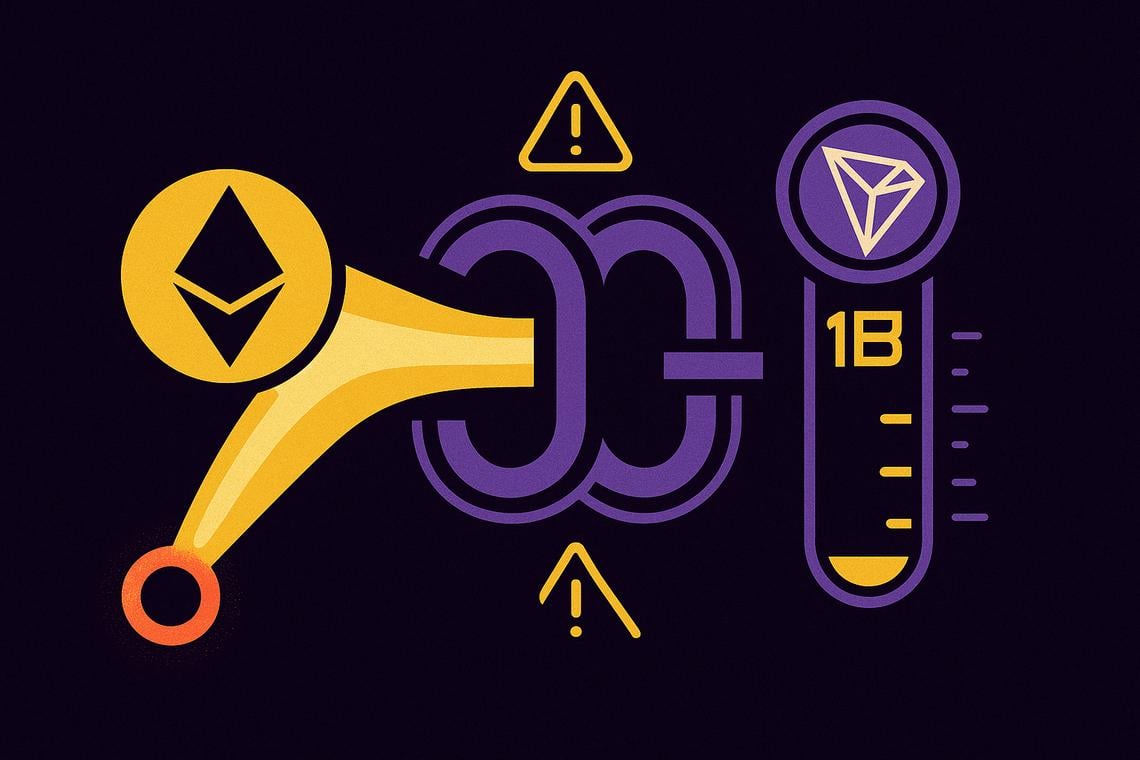
On July 7, 2026, Tether executed a $2.5 billion USDT burn on the Ethereum network — its largest single reduction of stablecoin supply since February 2026. The move landed the same day Binance’s USDT balance on the Tron network slipped below a key threshold, raising questions about what these two simultaneous shifts say about stablecoin liquidity and cross-chain dynamics heading into mid-2026.
Key takeaways
- Tether burned $2.5 billion worth of USDT on Ethereum on July 7, 2026, its largest single burn since February 2026.
- Binance’s USDT balance on the Tron network fell to approximately $806 million, dropping below the $1 billion mark.
- That Tron balance represents Binance’s lowest USDT holding on the network since December 29, 2025.
- USDT burns are typically linked to treasury management and cross-chain rebalancing, not to supply destruction in the traditional sense.
- Analysts flagged the coincidence of Ethereum supply reduction and declining Tron liquidity as worth watching closely.
Tether Executes Largest USDT Burn on Ethereum Since February 2026
The scale of the burn stands out immediately. At $2.5 billion, this was not routine housekeeping — it was the single biggest USDT reduction Tether had carried out on Ethereum in roughly five months, according to data cited by CryptoQuant.
For context, USDT burns don’t mean the tokens are destroyed permanently in the way a deflationary asset might be. They typically reflect treasury management operations — Tether pulling tokens back from circulation on one chain as part of a broader cross-chain rebalancing process. When users redeem USDT or when Tether shifts supply between networks, burns appear on-chain as the visible footprint of that activity.
What a Burn of This Size Actually Signals
That distinction matters for anyone watching stablecoin supply as a market signal. A large burn doesn’t automatically imply reduced demand for USDT overall — it may simply reflect that capital is migrating between blockchains, or that institutional redemptions occurred at scale on the Ethereum side.
Still, the magnitude here is hard to ignore. The previous comparable single-day event dates back to February 2026, which means this July 7 operation breaks a five-month streak of more modest activity. Whether it reflects a one-time institutional redemption or the early phase of a broader supply shift remains an open question.
Binance’s Declining USDT Balance on the Tron Network
Separately but simultaneously, Binance’s USDT holdings on the Tron network dropped to approximately $806 million — crossing below the psychologically significant $1 billion threshold and hitting the exchange’s lowest recorded level on that network since December 29, 2025.
Tron has historically been a dominant settlement layer for USDT, particularly for high-frequency transfers and exchange-to-exchange flows across Asian markets. A sustained decline in Binance’s Tron-based USDT balance can therefore carry weight beyond the raw number.
Why the $1 Billion Threshold Matters
Round-number thresholds in on-chain liquidity data tend to attract analyst attention for a reason. Falling below $1 billion on Tron signals that Binance’s available stablecoin buffer on the network is at a level not seen in over six months. Whether this reflects user outflows, a deliberate reallocation toward other chains, or declining trading volume on Tron-denominated pairs is not yet clear from the available data.
What is clear is that the trend is downward and has now crossed a threshold that makes it harder to dismiss as noise.
Two Events, One Moment — The Analytical View
The convergence of a sharp Ethereum-side supply reduction and a multi-month low in Binance’s Tron liquidity on the same day is the detail analysts at CryptoQuant flagged as particularly noteworthy. Taken individually, either event would be a moderate data point. Together, they sketch a picture of meaningful cross-chain stablecoin movement happening at scale.
This is where the story gets analytically interesting. If capital is being pulled from both Ethereum (via the burn) and Tron (via Binance’s declining balance), the next logical question is where it’s going — or whether it’s simply leaving the system through redemptions. The inputs don’t answer that question definitively, but the pattern is the kind that tends to precede broader shifts in how stablecoin supply is distributed across the ecosystem.
For market participants who treat USDT supply dynamics as a leading indicator of crypto market activity, the July 7 events offer a data point worth tracking over the coming weeks — not as a signal of crisis, but as evidence that the plumbing of stablecoin infrastructure is actively being reconfigured at a meaningful scale.
FAQ
What was the scale of Tether’s recent USDT burn on Ethereum?
Tether burned $2.5 billion worth of USDT on the Ethereum network on July 7, 2026. According to CryptoQuant data, this was its largest single burn event since February 2026.
How has Binance’s USDT balance on the Tron network changed recently?
Binance’s USDT balance on the Tron network fell to approximately $806 million, its lowest level since December 29, 2025. This also marks the first time Binance’s Tron USDT balance has dropped below the $1 billion mark in over six months.
What are the usual reasons behind Tether’s USDT burns?
USDT burns are typically the result of treasury management and cross-chain rebalancing operations. They occur when users redeem USDT or when Tether redistributes supply across different blockchain networks, rather than signaling permanent token destruction.
Why is the simultaneous USDT burn on Ethereum and liquidity drop on Tron notable?
Analysts noted that the combination of a sharp Ethereum supply reduction and declining Tron liquidity on Binance occurring together warrants close attention. While each event individually might be routine, their coincidence points to broader cross-chain stablecoin dynamics that could have wider market implications.
Article produced with the assistance of artificial intelligence and reviewed by the editorial team.


추천 콘텐츠

Not a loophole: Singapore AI export controls let China tap US AI legally

LIST: Bayanihan initiatives amid soaring oil prices

Critical USDT0 Response to Drift Hack Exposes Stark Contrast in Stablecoin Security Protocols


인기 뉴스
더보기
