

US Bitcoin miners face 2025 deadline to prove grid support capabilities
BitcoinWorld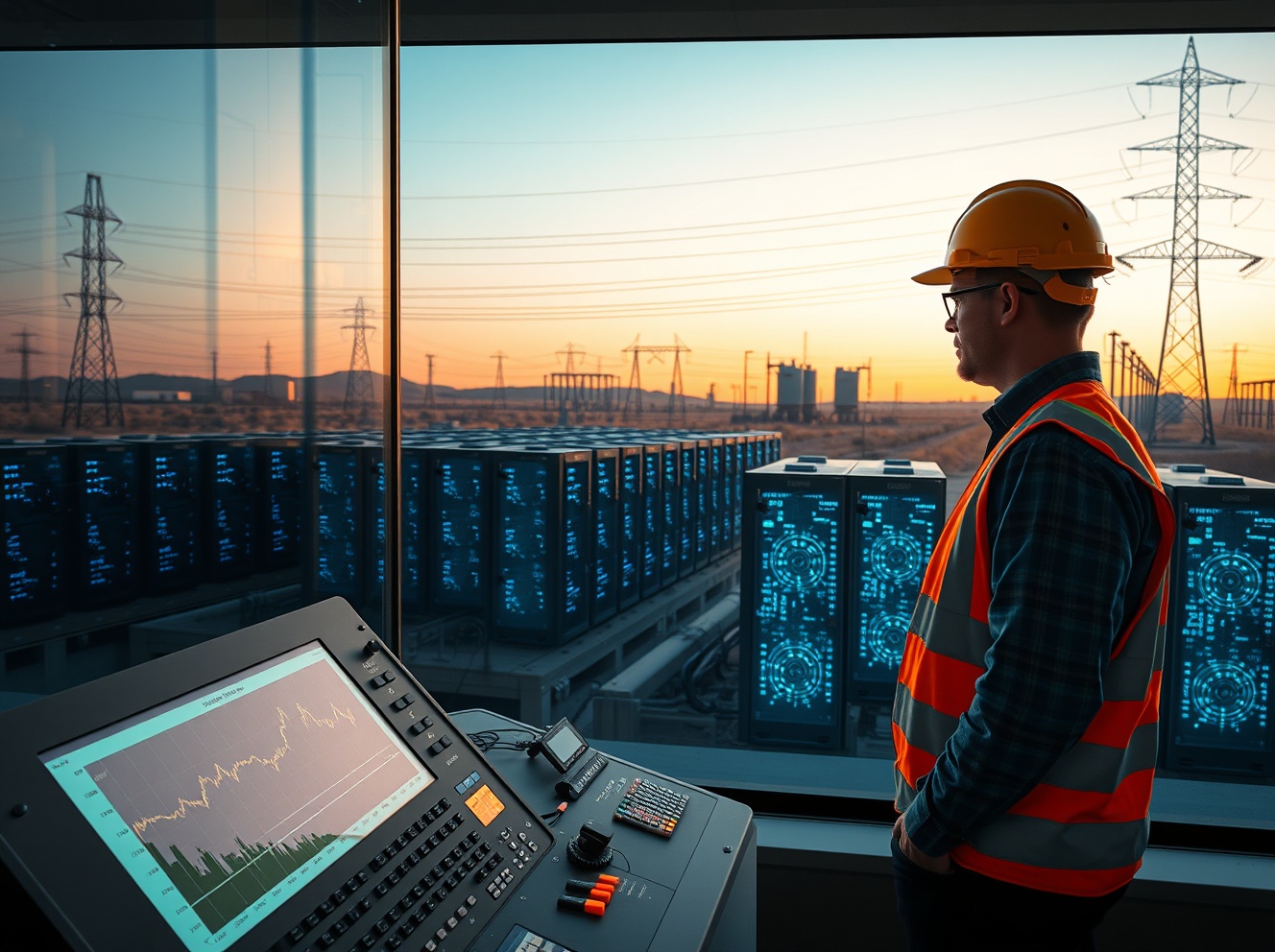
US Bitcoin miners face 2025 deadline to prove grid support capabilities
U.S. Bitcoin mining companies are facing a new regulatory deadline: by next year, they must demonstrate their ability to help stabilize local power grids, according to a report by CryptoSlate. The requirement comes as the U.S. Energy Information Administration (EIA) projects a significant rise in national electricity consumption, from 4,195 terawatt-hours (TWh) in 2025 to 4,399 TWh in 2027.
Why grid support matters for Bitcoin miners
Bitcoin mining is an energy-intensive process, and mining operations have historically drawn criticism for their electricity consumption. However, miners also possess a unique capability: they can quickly reduce or halt their power usage during periods of peak demand, effectively acting as a flexible load on the grid. This ability to participate in demand response programs is now being codified into regulatory expectations.
The EIA’s forecast highlights a growing strain on the U.S. electricity grid. As data centers, electric vehicles, and industrial electrification increase demand, grid operators are seeking more tools to manage supply and demand in real time. Bitcoin miners, with their ability to curtail operations within minutes, are increasingly seen as a valuable resource—provided they can prove they will actually do so when called upon.
Consequences for non-compliant mining operations
According to the report, mining companies that fail to demonstrate flexible power operation capabilities could face significant financial and operational penalties. These may include contracts with higher electricity rates or unfavorable grid connection reviews after 2027. For miners planning to expand or build new facilities, proving grid support capabilities could become a prerequisite for securing power purchase agreements or interconnection approvals.
The timeline is tight. Miners must show they have the infrastructure, software, and operational protocols in place to voluntarily reduce electricity use during peak demand events. This may require investments in advanced monitoring systems, real-time communication with grid operators, and automated load-shedding technology.
Broader implications for the crypto mining industry
This regulatory shift reflects a broader trend of integrating cryptocurrency mining into the mainstream energy system. Rather than being treated as a parasitic load, miners are being repositioned as potential grid assets. The EIA’s growing scrutiny also signals that federal and state regulators are paying closer attention to the energy footprint of digital assets.
For investors and operators, the message is clear: the era of unconstrained mining is ending. Companies that proactively invest in grid-responsive technology may gain a competitive advantage, while those that resist may find themselves locked out of favorable energy markets.
Conclusion
The 2025 deadline for U.S. Bitcoin miners to prove grid support capabilities marks a pivotal moment for the industry. As electricity demand rises and regulators tighten oversight, mining companies must adapt or face higher costs and limited growth. The ability to operate flexibly in service of grid stability is no longer optional—it is becoming a core requirement for long-term viability.
FAQs
Q1: What exactly do Bitcoin miners need to prove to grid operators?
Miners must demonstrate they can voluntarily and quickly reduce their electricity consumption during periods of peak demand on the local power grid. This is typically done through demand response programs where miners agree to curtail operations in exchange for lower electricity rates or other incentives.
Q2: What happens if a mining company fails to meet the 2025 deadline?
Companies that cannot prove their grid support capabilities may face higher electricity rates in their contracts and could encounter unfavorable reviews when seeking new grid connections after 2027. This could make expansion difficult and reduce profitability.
Q3: Why is the EIA involved in Bitcoin mining regulation?
The U.S. Energy Information Administration tracks national electricity consumption and forecasts future demand. As Bitcoin mining becomes a significant electricity consumer, the EIA is increasingly focused on how mining operations interact with the grid, particularly their potential to help stabilize it during peak demand periods.
This post US Bitcoin miners face 2025 deadline to prove grid support capabilities first appeared on BitcoinWorld.


추천 콘텐츠

Analyst Sees Upside for ETH Ahead of Glamsterdam Upgrade

Fidelity Solana ETF Filing Keeps Custody Questions At The Centre Of The SOL Fund Race

Phantom and Hyperliquid Urge CFTC to Update Rules for Onchain Derivatives


인기 뉴스
더보기
