

Dogecoin (DOGE) Spot vs. Futures Trading: Which Suits Your Risk Profile?
Key Takeaways
- Risk profileis not merely "aggressive vs. conservative." In crypto, it often depends on whether you understand the rules that can alter outcomes, especially during volatility.
- Spot tradinginvolves direct asset exchange. After a spot purchase, you typically hold DOGE in your exchange wallet balance.
- Perpetual futuresare derivatives: you hold a contract that tracks DOGE price exposure, and the product includesmargin and liquidation mechanics.
- Futures interfaces display additional contract fields (e.g.,funding-related informationand multiple price references), which is why they can behave differently from spot in fast-moving markets.
- A useful self-test: if you cannot clearly explain a feature (e.g., "liquidation" or "funding"), you face a higher risk of misunderstanding the product—not just the market.
1. What "Risk Profile" Means Here (Not a Personality Test)
2. Spot Trading Checklist
2.1 Can you explain what you actually "own" after a spot trade?
2.2 Do you understand the difference between a market order and a limit order?
2.3 Can you describe "execution risk" in one sentence?
2.4 Do you recognize that spot exposure is directional by default?
2.5 Can you separate market volatility from operational decisions?
3. Perpetual Futures Checklist
3.1 Can you explain what you hold in futures (a contract, not DOGE)?
3.2 Do you understand what leverage means at the conceptual level?
3.3 Can you define margin and explain why it matters?
3.4 Do you understand liquidation as a product mechanism (not a market opinion)?
3.5 Can you explain funding-related information in one sentence?
3.6 Do you understand that futures screens may show multiple reference prices?
3.7 Can you separate "directional exposure" from "outcome certainty"?
3.8 Do you recognize how volatility and liquidity interact with margin rules?
4. The Most Common "Product Confusions": Why People Misjudge Risk
Confusion #1: "It's the same DOGE chart, so it's essentially the same risk."
Confusion #2: "In futures, price is just price."
Confusion #3: "If I understand DOGE, I automatically understand the product."
Confusion #4: "Risk is only about direction."
5. A Simple Decision Filter (Non-Prescriptive)
- If you are evaluatingspot, your core mechanics are:ownership, order types, and execution conditions.
- If you are evaluatingperpetual futures, your core mechanics also include:margin, liquidation, funding-related information, and multiple price references.
Conclusion
FAQ
Recommended Reading:
- How to Buy Dogecoin (DOGE) on MEXC:A Complete Guide for Beginners
- Dogecoin Wallet Guide:How to Store DOGE Safely
- Why Dogecoin Feels Easy to Buy:and Why That Can Be Misleading
Popular Articles
View More
Oura Competitors: Samsung, Apple and the Smart Ring Market
Oura's competitors fall into three groups, according to its IPO prospectus: smartwatch makers such as Apple, Google and Samsung; fitness wearables such as Garmin, Coros and Whoop; and software-only

Is Oura Profitable? Revenue, Business Model and Valuation
Yes, Oura is profitable on a net income basis. Its IPO prospectus shows net income of $60.8 million on revenue of $1.21 billion in the nine months to June 30, 2026. The $924.3 million loss in some
Bitget Review 2026: 3.8 Out of 5, the Deepest Copy-Trading Shelf, and a Japan Exit With Three Dates You Need
Bitget scores 3.8 out of 5 on our six-dimension scorecard as of 25 September 2026, leading on derivatives, holding a provisional 3.5 on security after the hot-wallet incident of about $351.6 million
Hot Crypto Updates
View More
Red Sea Tensions Return as Houthi Threats Put Oil Shipping Costs at Risk
Overview Red Sea tensions have returned to the centre of global market attention because the risk is no longer confined to isolated attacks on individual vessels. Investors are now considering the

Dogecoin Goes to the Moon as Corporate Treasuries Bail: DOGE-1 Launches While CleanCore's 463 Million DOGE Exit Exposes the Meme Coin Treasury Trap
Key Takeaways DOGE-1, the first space mission ever paid for entirely in Dogecoin (DOGE), was scheduled to lift off on Monday, September 14, 2026 aboard a SpaceX Falcon 9 rideshare from Kennedy Space

Bitwise Shuts Down Dogecoin ETF: Why Is DOGE Falling?
Key Takeaways Bitwise Investment Advisers officially submitted liquidation filings on September 10, 2026, setting October 14 as the final trading session for its NYSE-listed Dogecoin ETF before a

Trending News
View More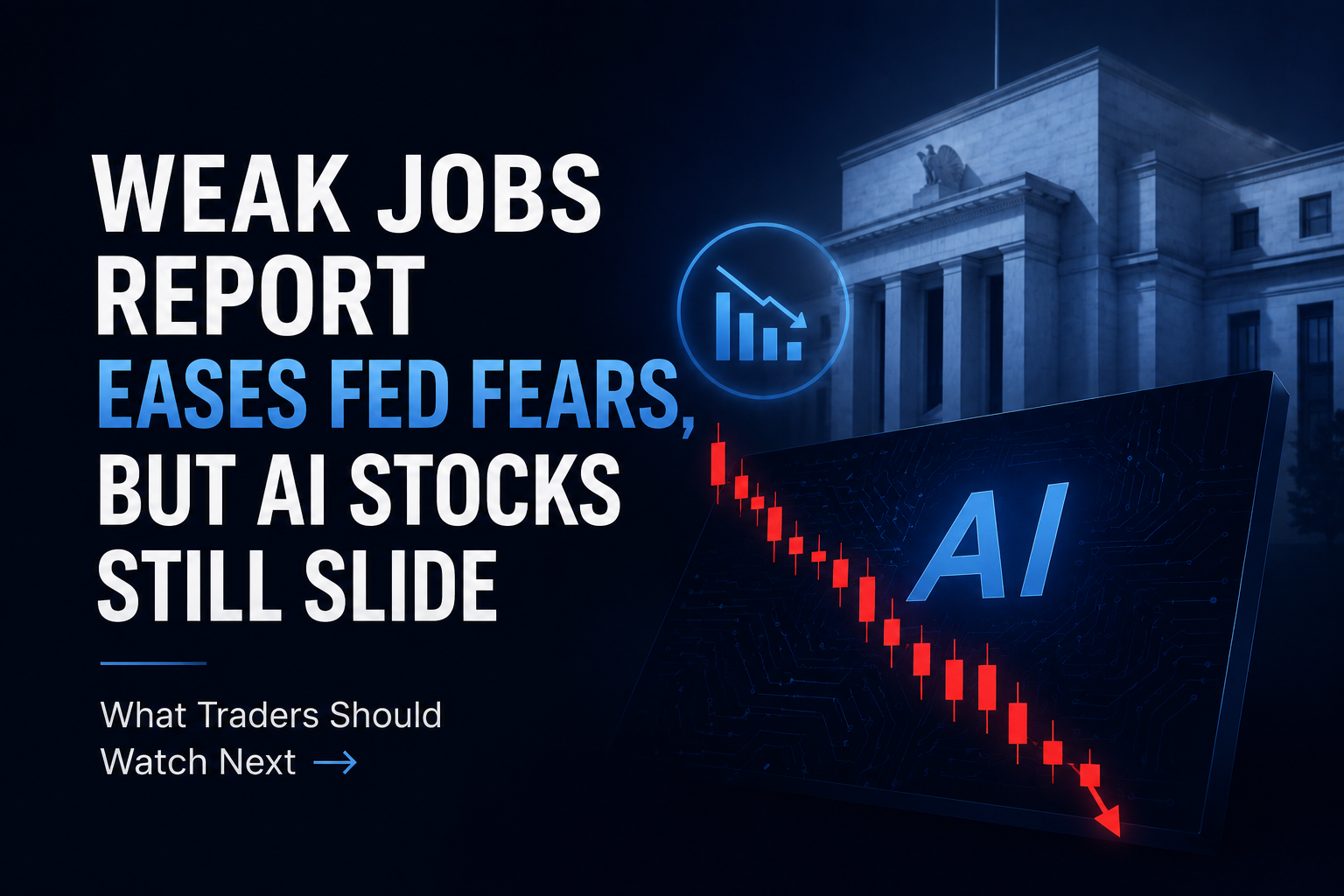
Weak Jobs Report Eases Fed Fears, But AI Stocks Still Slide: What Traders Should Watch Next
The U.S. June jobs report signaled a clear economic slowdown, missing expectations and lowering Federal Reserve rate hike fears. Despite lower Treasury yields, AI and tech stocks slid, proving that ma

FTIXX Lynq: Goldman's $100B Fund Connects to Crypto Rails
Goldman Sachs is making its Financial Square Treasury Instruments Fund, known by the institutional share-class ticker FTIXX, available to qualified U.S. participants through Lynq, a real-time settleme

Related Articles
View More
Dogecoin Marketcap Explained: What It Means and How It Shapes DOGE's Value
Key TakeawaysMarket capitalization (market cap) measures the total dollar value of Dogecoin (DOGE), calculated as current price × circulating supply.As of December 2025, Dogecoin's market cap stands a

How Tether Maintains Its 1:1 Peg: Mechanics of USDT Reserves
Tether (USDT) is a stablecoin pegged 1:1 to the US Dollar, meaning each USDT is backed by an equivalent amount of reserves. Tether maintains its peg by holding a mix of fiat assets, cash equivalents,

Dogecoin Security Basics: Common Scams Targeting DOGE Holders and How to Avoid Them
Dogecoin (DOGE) has transformed from an internet meme into a legitimate financial asset. However, its mainstream visibility is a double-edged sword: while it drives adoption, it also attracts sophisti









