EU Restores Syria Trade as Visa, Mastercard Return
TLDR
- The EU restored full trade relations with Syria on May 11, 2026.
- Visa and Mastercard resumed operations in Syria on May 9 through Qatar National Bank.
- The EU began easing sanctions in May 2025 after political changes in Syria.
- The United States lifted its sanctions on Syria in June 2025.
- Mastercard signed a digital payments agreement with Syria’s central bank in September 2025.
- Binance launched crypto services in Syria in June 2025 with access to over 300 tokens.
The European Union restored full trade relations with Syria on May 11, 2026, as Visa and Mastercard resumed operations after 15 years. Both payment networks went live on May 9 through Qatar National Bank. The moves reconnect Syria to global finance after years of sanctions and conflict.
EU, Syria Trade Ties Reopen as Payment Networks Return
The EU imposed sanctions on Syria in 2011 during the early stages of the civil war. Consequently, Syria’s trade volume fell sharply from its $9.1 billion peak in 2010. However, political shifts began after the fall of Bashar al-Assad’s government in December 2024.

The EU started easing economic restrictions in May 2025, and the United States lifted its sanctions in June 2025. Mastercard then signed an agreement with Syria’s central bank in September 2025 to build digital payment systems. Visa and Mastercard officially relaunched services on May 9, 2026, through Qatar National Bank, which secured authorization to support their return.
Officials confirmed that banks can now process international card payments for retail and online transactions. A central bank representative said the agreement supports “modern, secure, and regulated electronic payments.” The EU restored full trade ties two days later, which formalized Syria’s re-entry into European markets.
Crypto Platforms Expand Access as Financial Channels Reopen
Binance launched operations in Syria in June 2025 after sanctions eased. The exchange offers access to more than 300 tokens and supports trades in Syrian pounds. Binance recorded higher trading volumes from Syrian users after sanctions ended.
Chainalysis reported growth in informal crypto payment systems across Syria during banking restrictions. The firm stated that residents used digital assets for cross-border transfers and remittances. These systems expanded while formal banking channels remained limited.
The Syrian Center for Economic Studies published a proposal in January 2025 to legalize Bitcoin and digitize the Syrian lira. The proposal outlined steps to modernize payment systems and strengthen financial access. However, the caretaker government has not introduced formal crypto regulations.
Officials have not issued detailed rules on compliance or consumer protections for digital assets. Experts stated that regulatory clarity remains pending under the transitional administration. Visa and Mastercard now manage retail payments, while crypto platforms continue facilitating cross-border flows.
Qatar National Bank continues coordinating with Syrian authorities to integrate global payment infrastructure. Mastercard confirmed its infrastructure agreement remains active and supports ongoing system upgrades. The EU’s decision on May 11 marked the latest step in restoring Syria’s trade and financial links.
The post EU Restores Syria Trade as Visa, Mastercard Return appeared first on CoinCentral.


You May Also Like
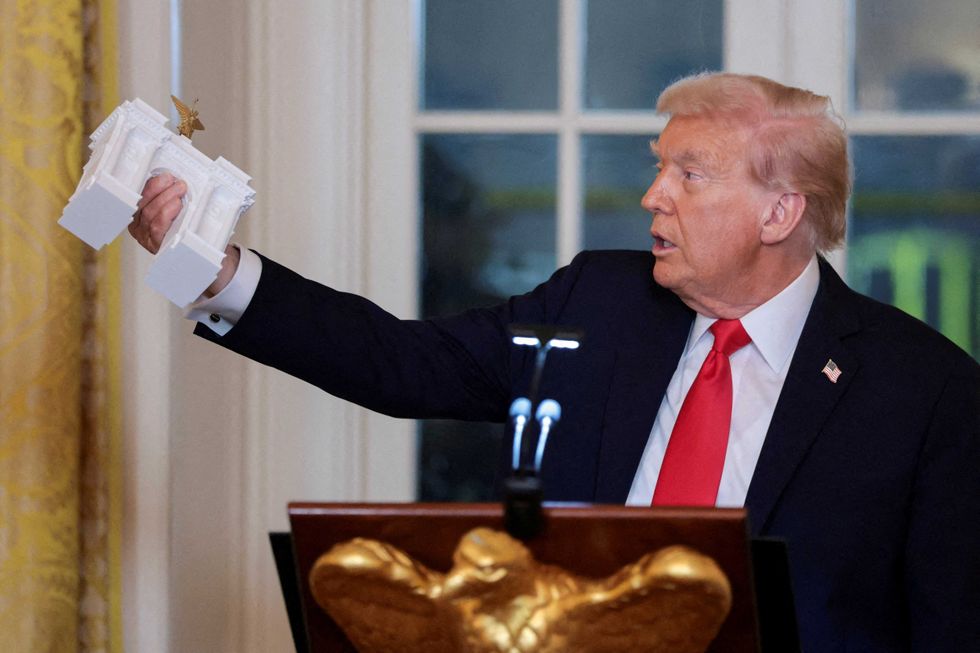
Trump treating DC like 'personal property' to abuse when he gets bored: analysis

Markets, AI Rally Rattled as Trump Calls Iran Ceasefire “On Life Support”