

Fuel price strike: Female drivers in Kenya reject Bolt’s 6% fare increase
An association of female transport workers in Kenya, the Women Commercial Drivers Association of Kenya (WCDA-K), has rejected a six per cent fare increase by Bolt, describing it as a “token adjustment”. This was disclosed during a chat with Technext by the Chairperson of the association, Nyambura Kogi.
See also: Fuel price hike: Nigerian drivers groan as Uber, others raise fares in Australia, New Zealand
While acknowledging the increase, she, however, argued that it wasn’t enough to help drivers earn a decent income given the skyrocketing fuel prices and other operational costs.
“Six per cent is not enough to cushion drivers from the current fuel hike and the wider cost of operating a vehicle. Fuel has risen sharply, and drivers are also dealing with high costs of spare parts, tyres, servicing, insurance, parking, data, vehicle financing and platform commissions,” she argued.
 Nyambura Kogi, Chairperson of WCDA-K
Nyambura argued that once commission and operating costs are deducted, a small fare increase can disappear very quickly. As such, e-hailing drivers do not need a token adjustment, but rather, they need a transparent fare structure that reflects the real cost of operations.
Bolt’s fare adjustment and what the drivers are saying
Technext reported that Bolt has introduced a 6 per cent fare increase in Kenya. According to the company’s Senior General Manager of Rides in East Africa, Dimmy Kanyankole, the increase is aimed at providing a cushion for drivers against rising fuel costs.
See also: Bolt introduces 6% fare hike in Kenya to cushion drivers against fuel cost
Mr Kanyankole also noted that the decision to increase fares comes after sustained feedback from drivers who have raised concerns over increasing operational expenses. He said the company has been engaging drivers and industry stakeholders to better understand their challenges and strike a balance between driver earnings and rider demand.
As such, the 6 per cent increase was carefully modelled against rider price sensitivity, with internal data suggesting the adjustment will not significantly impact demand or trip volumes.
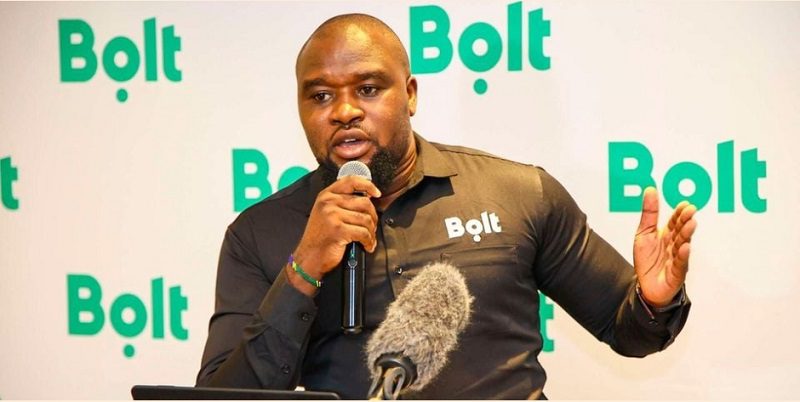 Dimmy Kanyankole, Bolt Senior General Manager
While Nyambura agrees that the rising operational costs should not be transferred to riders, especially since the service is considered a luxury, she nonetheless insists the maths is not adding up, and Bolt’s fare increase is not proportional.
She argued that the price of diesel, which public buses, popularly called matatus, trucks, and many commercial fleets depend on, has jumped by about 47.3% between May 2025 and May 2026 alone.
She noted that from May 2021 to May 2026, petrol price rose by about 69.5%. Indeed, the Kenyan Energy and Petroleum Regulatory Authority has increased petrol price twice in about a month, both times by more than 20 per cent.
For Nyambura and her association, Bolt’s 6 per cent is not proportionate to those increased rates. And that only accounts for fuel costs, excluding other rising operational expenses.
“A fair fare must ask: After fuel, commission, maintenance, data, insurance, loan or vehicle remittance and safety costs, what does the driver take home?” she said.
 WCDA-K
She pointed out that the called-off transport sector strike, which the WCDA-K took part in, was a response to the rising cost of fuel and the wider cost of operating transport work in Kenya.
She said for drivers, fuel is not an abstract national issue as it extends to being the first cost a driver pays before earning anything. When fuel prices rise sharply without corresponding fare adjustments, drivers bear the burden directly. This often results in reduced income, longer working hours, debt, vehicle breakdowns, and greater exposure to risk.
“The main aim of the strike is to push for fairer fuel pricing, realistic transport rates, meaningful engagement with transport workers, and recognition that the cost of operating a vehicle has become unbearable. It is also a call to government, transport companies and digital platforms to stop treating drivers as shock absorbers for every economic crisis,” she said.


You May Also Like

Leaked texts expose Trump's favorite Democrat as basically a Republican

Kroll Rates Ripple Prime BBB at Lowest Investment Grade
U.S. Lawmakers Launch Probe Into Kalshi and Polymarket Over Insider Trading Concerns



