

India’s Fuel Subsidies Delay Oil Price Pass-Through, ING Reports
BitcoinWorld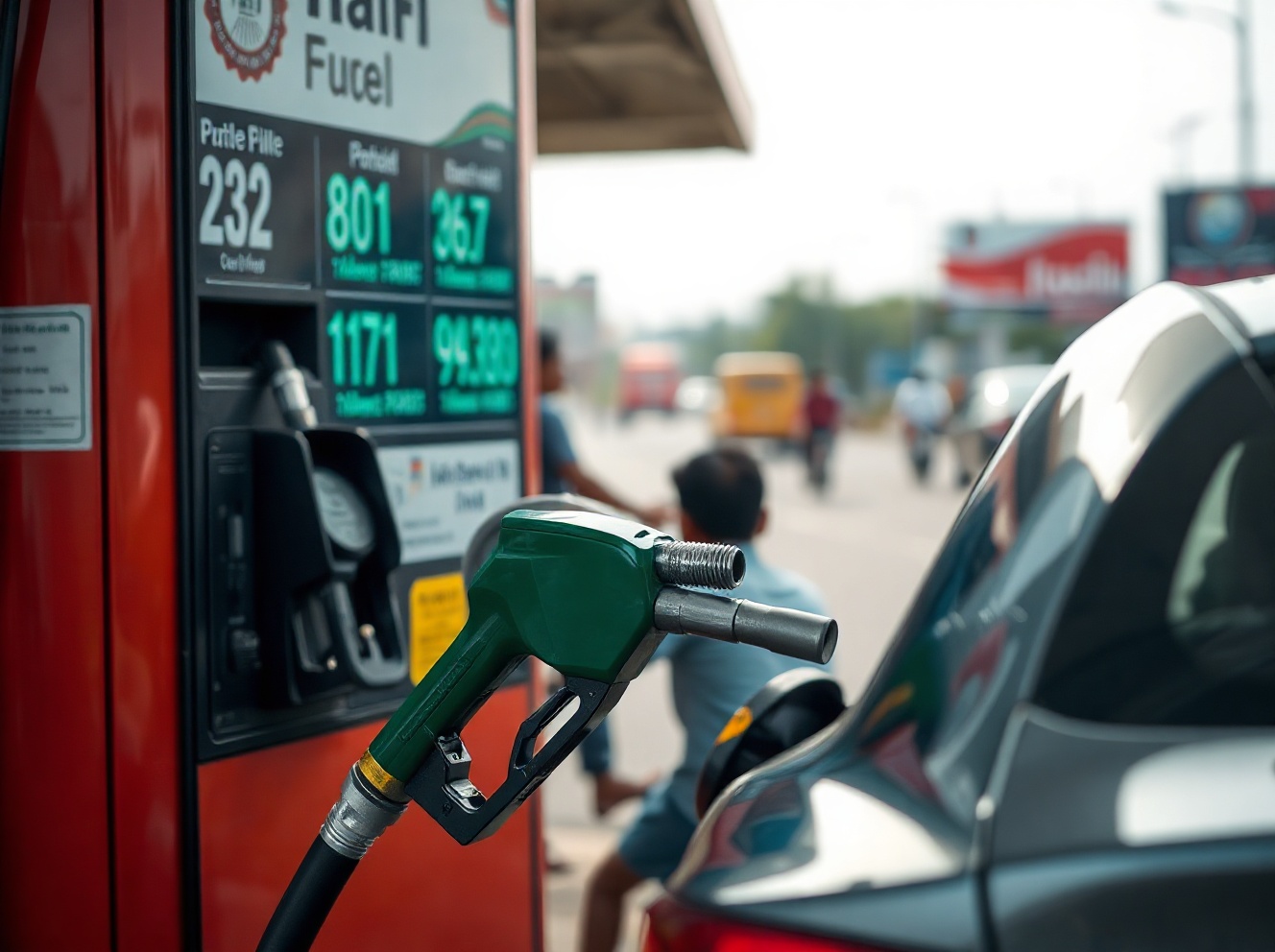
India’s Fuel Subsidies Delay Oil Price Pass-Through, ING Reports
India’s system of fuel subsidies is creating a significant lag in the pass-through of declining global oil prices to domestic consumers, according to a recent analysis by ING. The report highlights that while international crude prices have softened, the benefits are not fully reaching end-users due to the structure of government subsidies and pricing mechanisms.
Subsidy Structure and Pass-Through Lag
ING’s analysis points out that India’s fuel pricing is not fully market-linked for certain products, particularly liquefied petroleum gas (LPG) and kerosene, which are heavily subsidized. Even for deregulated fuels like petrol and diesel, state-owned oil marketing companies (OMCs) often absorb price fluctuations to avoid sudden shocks to consumers, especially during election periods or high inflation. This ‘subsidy delay’ means that when global oil prices fall, the reduction in retail prices is slower and more gradual than market dynamics would suggest.
Implications for Inflation and Fiscal Policy
The delayed pass-through has direct implications for India’s inflation trajectory. Lower global oil prices should ideally reduce input costs across the economy, from transportation to manufacturing, easing consumer price index (CPI) pressures. However, because subsidies delay this effect, the disinflationary benefit is muted in the short term. The Reserve Bank of India (RBI) closely monitors fuel prices as a key component of inflation expectations. For the government, maintaining subsidies also strains fiscal resources, potentially limiting spending on other priorities like infrastructure or social programs.
Market and Consumer Impact
For Indian consumers, the immediate effect is that they do not see the full benefit of lower global crude prices at the pump or in their cooking gas bills. This can dampen household spending power and affect overall economic sentiment. From a market perspective, the delayed pass-through introduces uncertainty for investors in Indian energy and consumer sectors, as margins for OMCs can be squeezed during periods of volatile crude prices.
Conclusion
ING’s report underscores a structural challenge in India’s energy pricing framework. While subsidies provide a buffer against price spikes, they also create a lag that prevents the economy from fully benefiting from lower global oil prices. As India navigates its fiscal and monetary policy goals, the pace of subsidy reform and pass-through will remain a critical factor for inflation, growth, and consumer welfare.
FAQs
Q1: Why are fuel subsidies delaying the pass-through of lower oil prices in India?
India’s government and state-owned oil companies often absorb price fluctuations to protect consumers from sudden changes, particularly for subsidized fuels like LPG and kerosene. This creates a lag between global price drops and retail price reductions.
Q2: How does this delay affect India’s inflation?
The delay mutes the disinflationary impact of lower global oil prices, as reduced input costs do not immediately translate into lower consumer prices. This can keep inflation higher than it would otherwise be, complicating the RBI’s policy decisions.
Q3: What are the fiscal implications for the Indian government?
Maintaining fuel subsidies requires significant government expenditure, which can limit fiscal space for other developmental spending. Any reform to speed up pass-through could improve fiscal efficiency but may face political challenges.
This post India’s Fuel Subsidies Delay Oil Price Pass-Through, ING Reports first appeared on BitcoinWorld.


You May Also Like
Ken Paxton roundly mocked by observers after victory speech: 'He has no juice!'

Two months left for Iraq and Turkey to reach pipeline deal

Why Bato didn’t get TRO in Supreme Court packed with Duterte appointees



