

New Zealand Dollar Edges Higher as RBNZ Holds Key Rate at 2.25%
BitcoinWorld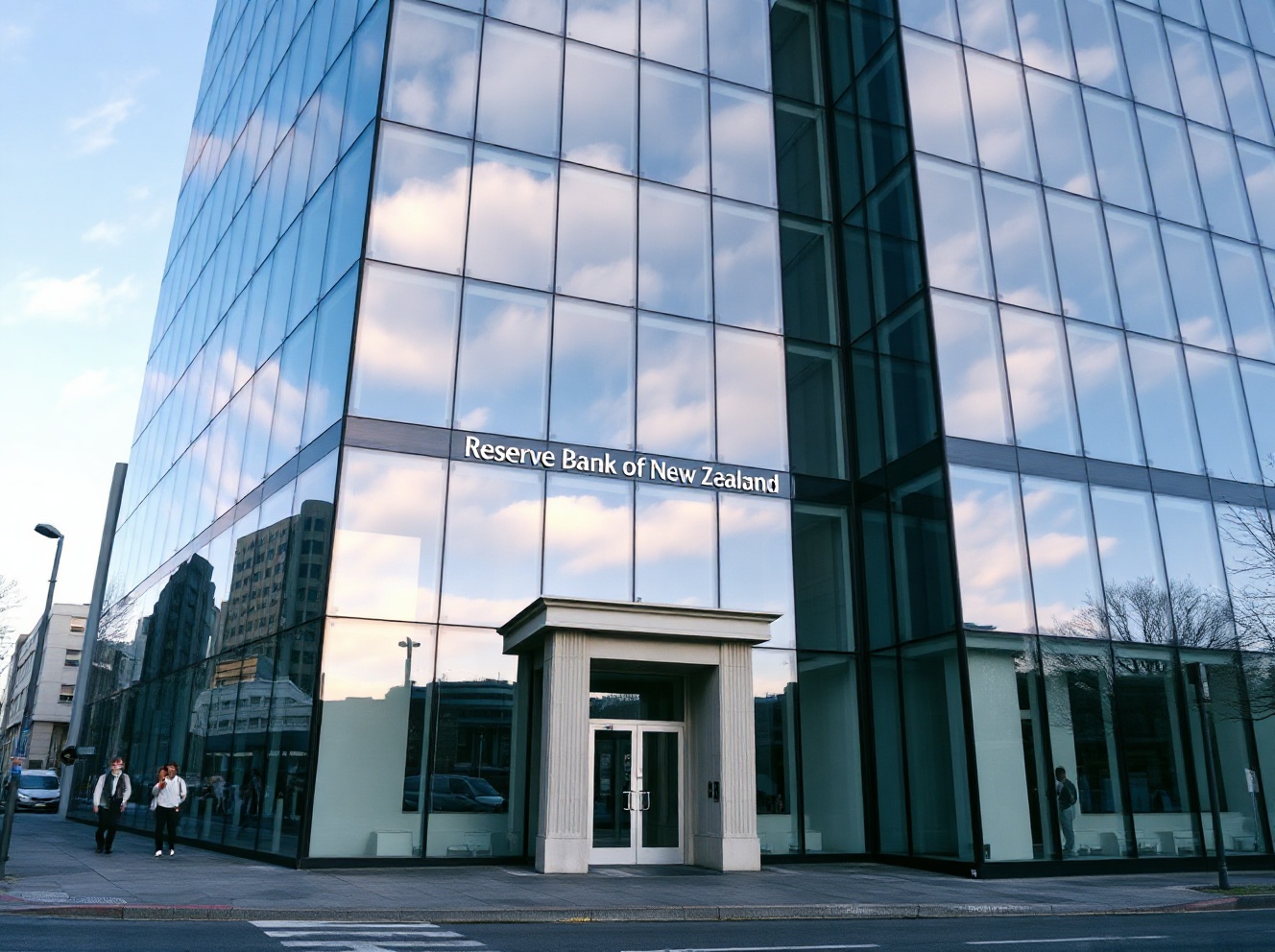
New Zealand Dollar Edges Higher as RBNZ Holds Key Rate at 2.25%
The New Zealand Dollar (NZD) gained ground against major peers on Wednesday after the Reserve Bank of New Zealand (RBNZ) held its official cash rate steady at 2.25%, pausing its tightening cycle amid signs that domestic inflation is moderating while global uncertainties persist.
RBNZ Maintains Cautious Stance
In its latest monetary policy statement, the RBNZ’s Monetary Policy Committee voted unanimously to keep the rate unchanged, a decision widely anticipated by markets. The central bank noted that while inflation remains above its 1–3% target band, recent data suggests price pressures are easing gradually. Governor Adrian Orr emphasized that the committee wants to see further evidence that inflation is sustainably returning to target before considering any future adjustments.
The decision comes after two consecutive rate hikes earlier this year, which had brought the cash rate from a record low of 0.25% to its current level. The RBNZ’s forward guidance struck a balanced tone, acknowledging that the economic outlook remains highly uncertain due to global trade tensions, weaker Chinese demand, and ongoing geopolitical risks.
Market Reaction and NZD Performance
Following the announcement, the NZD rose approximately 0.4% against the US dollar, trading near $0.6150, and gained against the Australian dollar and Japanese yen. Analysts attributed the currency’s strength to the central bank’s decision not to signal an imminent rate cut, which some market participants had speculated about given softening economic data.
“The RBNZ’s hold reinforces that New Zealand’s monetary policy remains relatively tight compared to some other developed economies,” said Jane Morrison, senior currency strategist at Wellington-based Capital Markets Research. “This differential supports the NZD in the near term, especially against currencies where central banks are actively easing.”
What This Means for Borrowers and Businesses
For homeowners and businesses with floating-rate mortgages, the decision provides a period of stability. However, economists caution that the RBNZ’s cautious stance does not guarantee rates have peaked. If inflation proves stickier than expected, the central bank may resume tightening later in the year.
Exporters, particularly in the dairy and tourism sectors, face mixed implications. A stronger NZD makes New Zealand goods more expensive overseas, potentially dampening export competitiveness. Conversely, it lowers the cost of imported inputs and consumer goods, which could help contain inflation.
Broader Economic Context
New Zealand’s economy grew 0.3% in the December quarter, below the RBNZ’s forecast, while the unemployment rate edged up to 3.9%. The housing market has cooled, with prices falling in several regions, and consumer confidence remains subdued. The RBNZ projects inflation will return to the target range by mid-2026, assuming no major external shocks.
Globally, the Federal Reserve and European Central Bank have also signaled a slower pace of rate changes, creating a more synchronized pause among major central banks. This environment reduces the likelihood of sharp currency volatility, though traders remain attentive to upcoming US jobs data and Chinese economic indicators for further direction.
Conclusion
The RBNZ’s decision to hold rates steady provides a measure of predictability for New Zealand’s financial markets and economy. While the NZD has strengthened in the immediate aftermath, the currency’s trajectory will depend on incoming inflation data, global risk appetite, and the central bank’s next moves. For now, the message from Wellington is clear: patience remains the watchword.
FAQs
Q1: Why did the RBNZ keep the rate at 2.25%?
The RBNZ held the rate because inflation is moderating but not yet sustainably within the 1–3% target range. The committee wants to see more evidence before adjusting policy further.
Q2: How does this affect mortgage rates in New Zealand?
Floating mortgage rates are unlikely to change immediately. Fixed-term rates may remain stable in the short term, but future moves depend on the RBNZ’s next decisions and wholesale funding costs.
Q3: Will the NZD continue to strengthen?
Near-term strength is possible given the rate differential, but the currency’s direction depends on global factors, including US economic data, China’s growth outlook, and commodity prices.
This post New Zealand Dollar Edges Higher as RBNZ Holds Key Rate at 2.25% first appeared on BitcoinWorld.


You May Also Like

Why Most Companies Are Leaving AI (And What It’s Doing to AI Culture)

Bernstein Lifts UnitedHealth (UNH) Stock Price Target to $492 Amid Medicare Advantage Turnaround

Best Mobile User Retention Tools in 2026



