

J.P. Morgan Upgrades HashKey to Overweight, Sees RWA and Onshore Shift as Catalysts
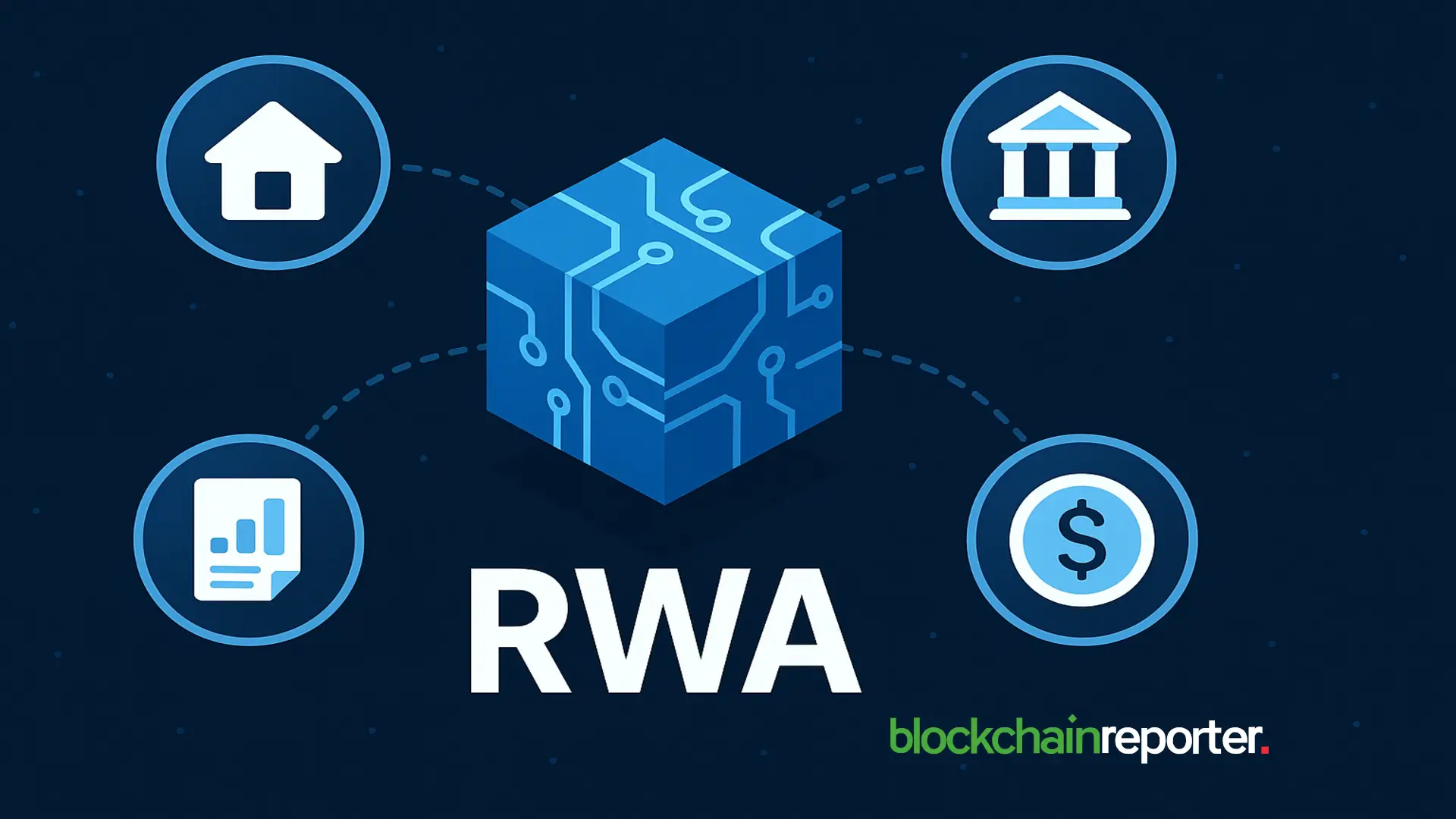
The decision by J.P. Morgan to upgrade HashKey stock suggests more than a simple analyst call. It reflects a conviction that onshore, licensed venues in Hong Kong are starting to capture trading flows that once belonged to offshore exchanges. According to a research report summarized by WuBlockchain, the bank raised its rating on the Hong Kong-licensed digital asset services firm from Neutral to Overweight while leaving the target price at HK$5.00. The upgrade follows management meetings at the J.P. Morgan China Summit and hinges on two levers: resilient growth numbers that defy a sluggish market, and the long-term opportunity in real-world asset tokenization.
The bank pointed to year-over-year trading volume growth at HashKey in the current year, even as overall virtual asset trading activity remained weak. That divergence matters. It says HashKey is winning a bigger piece of a shrinking pie by expanding aggressively in Hong Kong. The financial picture also improved. J.P. Morgan expects HashKey’s gross margin to widen by roughly 10 percentage points in fiscal 2026, driven by the normalization of trading-related costs. Steady cost structures and rising volume have a compounding effect on profitability, which the bank now views with greater clarity than before the upgrade.
Why RWA Tokenization Changes the Equation
The report highlighted tokenized equities as a near-term catalyst. J.P. Morgan said it expects the market to gain traction within the next 6 to 12 months and sees HashKey Chain as a core infrastructure layer for the RWA sector. HashKey is positioning the chain as a regulated environment for tokenized securities—a direct response to the industry’s long-standing need for compliant on-chain capital markets. This aligns with broader momentum in tokenization. A recent Weekly Tokenization Roundup noted that the total value of real-world assets on-chain crossed the $20 billion mark, while Ondo Finance ran the first live tokenized Treasury settlement with J.P. Morgan itself. The pieces are moving, and HashKey wants to be the regulated rails those pieces run on.
That ambition is not theoretical. Tokenization of equities and other assets on a dedicated chain controlled by a licensed operator changes the trust model for institutions that have hesitated to touch DeFi protocols. If HashKey can deliver execution, the revenue impact could outpace its current brokerage and custody fees. For J.P. Morgan, the RWA angle was enough to keep the target price steady at HK$5.00 even while upgrading the rating, which indicates the bank sees upside but not enough near-term visibility to raise the valuation floor.
The Onshore Migration and What It Means
One of the most striking elements of the report is J.P. Morgan’s assertion that digital asset trading is shifting structurally from offshore platforms to onshore ones. This is not merely a Hong Kong story; it reflects a global regulatory recoil after failures like FTX and Binance’s enforcement settlements. Regulated jurisdictions are becoming the preferred environment for institutional and even retail traders who care about custody and clearing standards. HashKey, as one of the few fully licensed exchanges in Hong Kong, is a direct beneficiary of that migration.
Contrast this with the fragmented regulatory picture in the United States, where a major crypto bill is facing last-minute resistance from banks days before a Senate vote. That kind of uncertainty makes Hong Kong’s clearer licensing regime a competitive advantage. Capital flows to where the rules are predictable, and HashKey is placed to capture that flow, assuming its operational capacity scales with demand.
Revenue Diversification and the Risks Ahead
J.P. Morgan also pointed to HashKey’s stablecoin licensing applications and its work on payment infrastructure as additional growth engines. The company plans to launch perpetual futures contracts this year and is developing crypto options products, which would broaden its revenue base beyond spot trading. Derivatives typically command higher margins and attract professional traders, a segment that is still underserviced by regulated venues in Asia relative to the off-shore giants.
Nevertheless, the target price staying at HK$5.00 signals that the bank is not yet ready to price in the full benefit of these moves. Overall virtual asset trading volumes remain tepid across the board, and HashKey’s YTD growth—while impressive—must hold against a potential further market contraction. The 10 percentage point margin expansion forecast is based on cost normalization, which is sensitive to trading volumes and infrastructure spending. Execution on RWA infrastructure is still unproven. Tokenized equities face liquidity, legal, and custody challenges that could delay adoption beyond the 6-to-12-month horizon. And while the shift from offshore to onshore platforms is a tailwind, it is not irreversible; a change in regulatory posture or the launch of competing onshore venues could alter the dynamic quickly. For now, J.P. Morgan’s upgrade is a measured bet on a regulated incumbent with a credible multi-year strategy. The market will now watch whether HashKey can translate its structural advantages into sustained shareholder returns.


You May Also Like

The Champion Mindset: Why Discipline, Trust, and Structure Matter in Modern Trading
Temu Owner PDD (PDD) Stock Drops After Profit Comes in Way Below Estimates
XRP Faces Further Downside Risk as Liquidity Drops to 2020 Lows, Sentiment Turns Fearful



