

Indonesia Faces Persistent Inflation Pressures, DBS Sees Gradual Policy Path
BitcoinWorld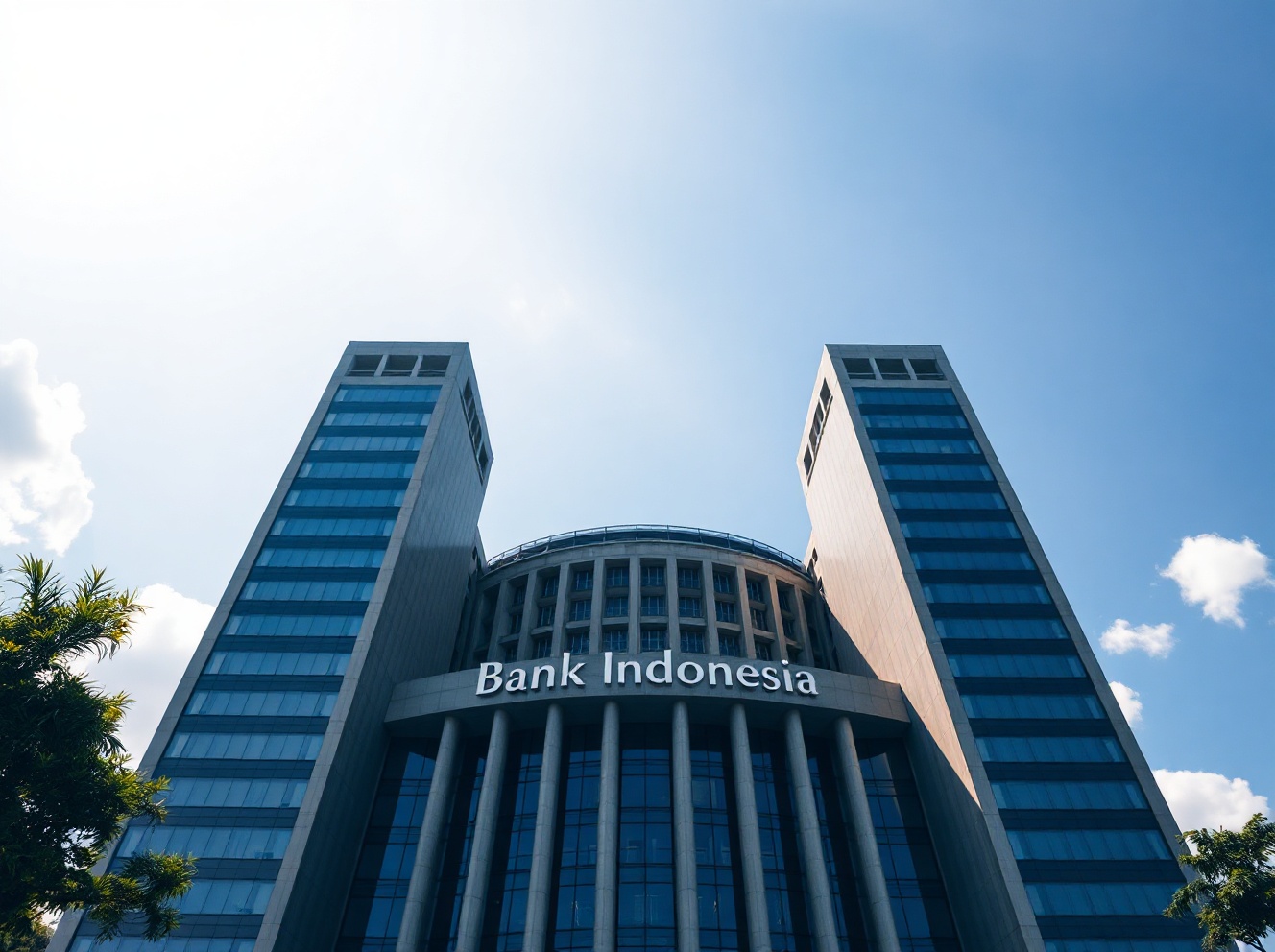
Indonesia Faces Persistent Inflation Pressures, DBS Sees Gradual Policy Path
Singapore-based DBS Bank has released a detailed analysis of Indonesia’s current inflation dynamics and the likely trajectory of Bank Indonesia’s monetary policy. The report comes as Southeast Asia’s largest economy navigates persistent price pressures and global financial headwinds.
Inflation Trends and Core Pressures
Indonesia’s headline inflation has moderated from its 2022 peaks but remains above the central bank’s target range of 2% to 4%. DBS analysts point to sticky core inflation, driven by domestic demand recovery and administered price adjustments, as a key concern. Food price volatility, particularly for rice and cooking oil, continues to exert upward pressure on consumer prices, especially in rural areas.
The bank’s economists note that while energy subsidies have helped contain some price increases, the government’s gradual subsidy rationalization poses an upside risk to inflation in the coming quarters. This delicate balance between supporting growth and controlling prices will be a central theme for policymakers.
Bank Indonesia’s Policy Response
DBS expects Bank Indonesia to maintain a cautious stance, keeping its benchmark seven-day reverse repo rate at current levels for an extended period. The central bank has raised rates by a cumulative 225 basis points since August 2022, and further tightening is not ruled out if inflation proves stubborn or the rupiah comes under renewed pressure.
The report highlights that Bank Indonesia is also managing capital flows and exchange rate stability, which adds complexity to its policy decisions. The rupiah’s performance against the US dollar remains a key variable, as external factors such as US Federal Reserve policy and global commodity prices influence domestic conditions.
Implications for Businesses and Consumers
For Indonesian businesses, higher borrowing costs and uncertain demand are constraining investment and expansion plans. Small and medium enterprises, which form the backbone of the economy, are particularly sensitive to credit conditions. Consumers face elevated living costs, though wage growth in formal sectors has partially offset the impact.
DBS suggests that the pace of policy easing, when it eventually begins, will be gradual and data-dependent. A premature pivot could reignite inflation expectations and weaken the rupiah, undermining the central bank’s credibility.
Conclusion
Indonesia’s inflation outlook and monetary policy path remain finely balanced. DBS’s analysis underscores that Bank Indonesia will likely prioritize stability over growth in the near term, with any rate cuts contingent on sustained inflation moderation and a stable currency. Businesses and investors should prepare for a prolonged period of relatively tight financial conditions.
FAQs
Q1: What is Bank Indonesia’s current inflation target?
Bank Indonesia targets inflation within a range of 2% to 4% for 2024, as part of its broader price stability mandate.
Q2: How has the rupiah performed against the US dollar recently?
The Indonesian rupiah has experienced moderate depreciation against the US dollar in 2024, pressured by global interest rate differentials and capital outflows from emerging markets.
Q3: What sectors are most affected by high inflation in Indonesia?
Food and energy sectors are most directly impacted, but elevated borrowing costs also affect manufacturing, construction, and retail trade, particularly small and medium enterprises.
This post Indonesia Faces Persistent Inflation Pressures, DBS Sees Gradual Policy Path first appeared on BitcoinWorld.


You May Also Like

Cango Inc. Completes $65M Investment and Secures $10M Convertible Note Financing

Bitcoin (BTC) Reclaims $69K While Mutuum Finance (MUTM) Nears $21M Raised

A group of Trump billionaires just took a shocking loss



