

The bone-health myth many Malaysians still believe
 While milk is often associated with bone health, experts say you shouldn’t rely too heavily on calcium alone. (Envato Elements pic)
KUALA LUMPUR: For years, bone health advice has sounded fairly straightforward – drink milk, consume enough calcium, and your bones will stay strong.
But health experts say the reality is far more complex, and relying too heavily on calcium alone may create a false sense of security.
As Malaysia moves towards becoming an ageing nation by 2030, concerns over osteoporosis are growing, along with misconceptions about what truly protects bone health.
“Many assume that calcium alone is sufficient, when in fact bone health is far more complex than that,” said physiology expert Dr Badariah Ahmad.
She noted that many people self-prescribe calcium supplements without properly assessing whether they actually need them or are already getting enough calcium through food.
The recommended daily calcium intake is 1,000-1,200mg depending on age and gender, most of which should come from food rather than supplements.
Milk is most often associated with bone health, but Badariah noted that many Malaysians overlook other calcium-rich foods such as ikan bilis, tofu, leafy greens, nuts and fortified soy products.
At the same time, high intake of salty and heavily processed foods may increase calcium loss through urine, gradually weakening bones over time.
 Dr Badariah Ahmad.
Badariah said excessive calcium intake, especially through supplements, does not necessarily strengthen bones – instead, it could increase the risk of kidney stones and digestive problems such as constipation.
But calcium is only one piece of the puzzle. According to associate professor of orthopaedics Dr Win Min Thein, osteoporosis involves not just low calcium levels but the deterioration of the bone structure itself.
“Even individuals with adequate calcium intake may still experience bone loss if other factors are not addressed,” he said, pointing to hormonal changes, nutritional deficiencies and sedentary lifestyles.
Smoking, excessive alcohol consumption and lack of exercise can also weaken bones by disrupting the body’s natural bone-building process.
To illustrate how bones function, Win compared them to a building: “Calcium acts as the cement, collagen forms the framework, and bone cells are the workers maintaining the structure.”
But without movement and a strong underlying framework, increasing calcium intake alone offers limited benefit, he said.
 Dr Win Min Thein.
The experts also stress that bone health should begin long before old age. Childhood and adolescence are crucial periods for building peak bone mass, but increasingly sedentary lifestyles and limited sunlight exposure can affect bone development – even in sunny countries like Malaysia.
The challenge is that bone loss often happens silently. “Many patients only begin to pay attention to bone health after complications arise,” Badariah said.
By then, fractures and mobility issues may already have developed, especially among older adults and post-menopausal women, whose declining oestrogen levels accelerate bone loss.
Both experts emphasise that prevention remains the best approach. Regular walking, climbing stairs and weight-bearing exercise can help maintain bone strength, while healthcare providers should place greater emphasis on lifestyle habits during consultations.
Indeed, “exercise should be prescribed just like medication”, Badariah added.
The experts hope Malaysians will start viewing bone health more holistically – not as something that depends on supplements alone, but as the result of daily habits built over a lifetime.


You May Also Like

SoftBank chief Son dismisses Musk’s idea for orbital data centres

Sky Quarry (SKYQ) Stock Doubles in a Day — Here’s Why Nevada’s Only Refinery Matters Now
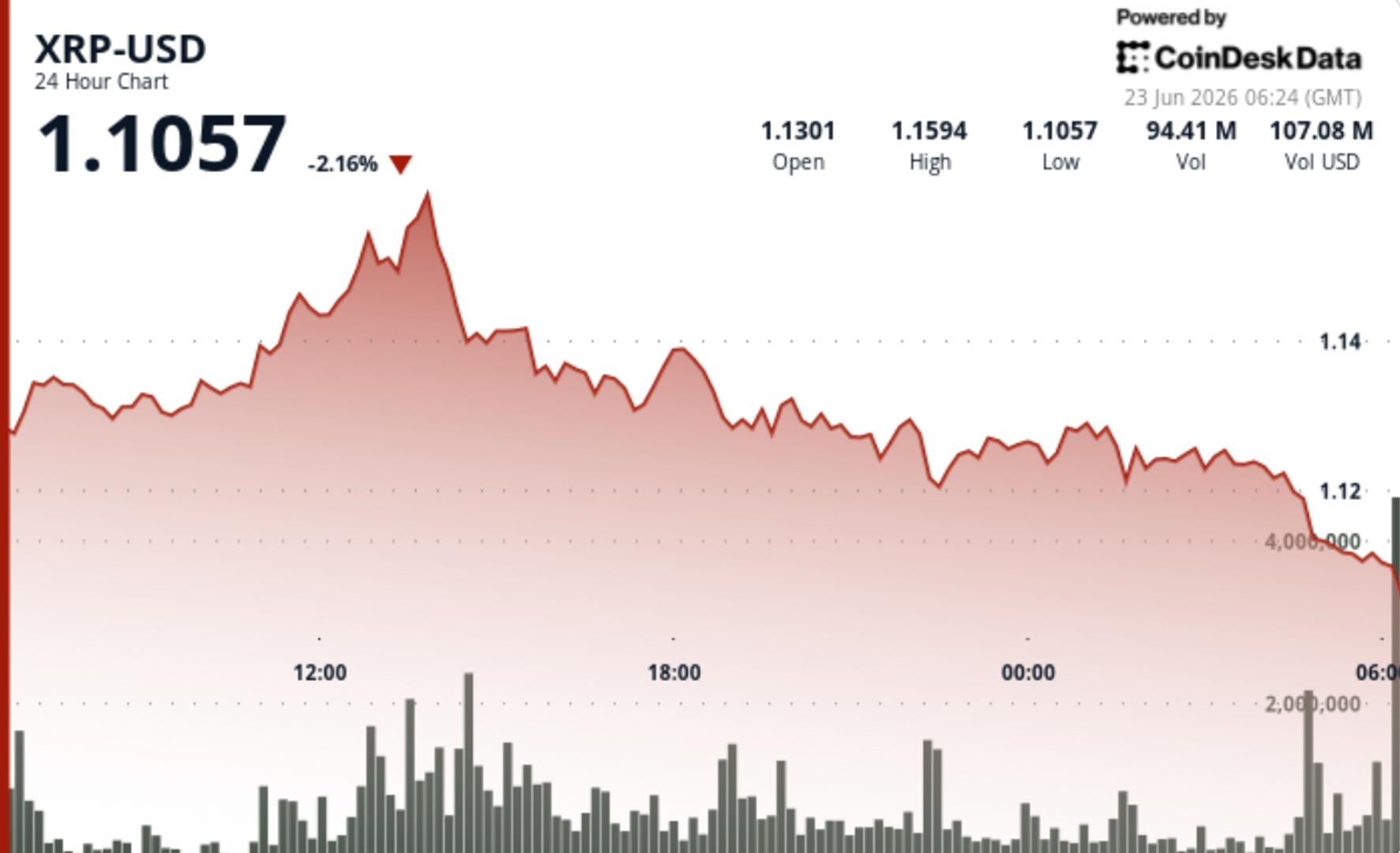
XRP drifts toward $1.10 support as traders await break from three-week range



