

Dollar heads for weekly drop as jobs data dims Fed hike bets
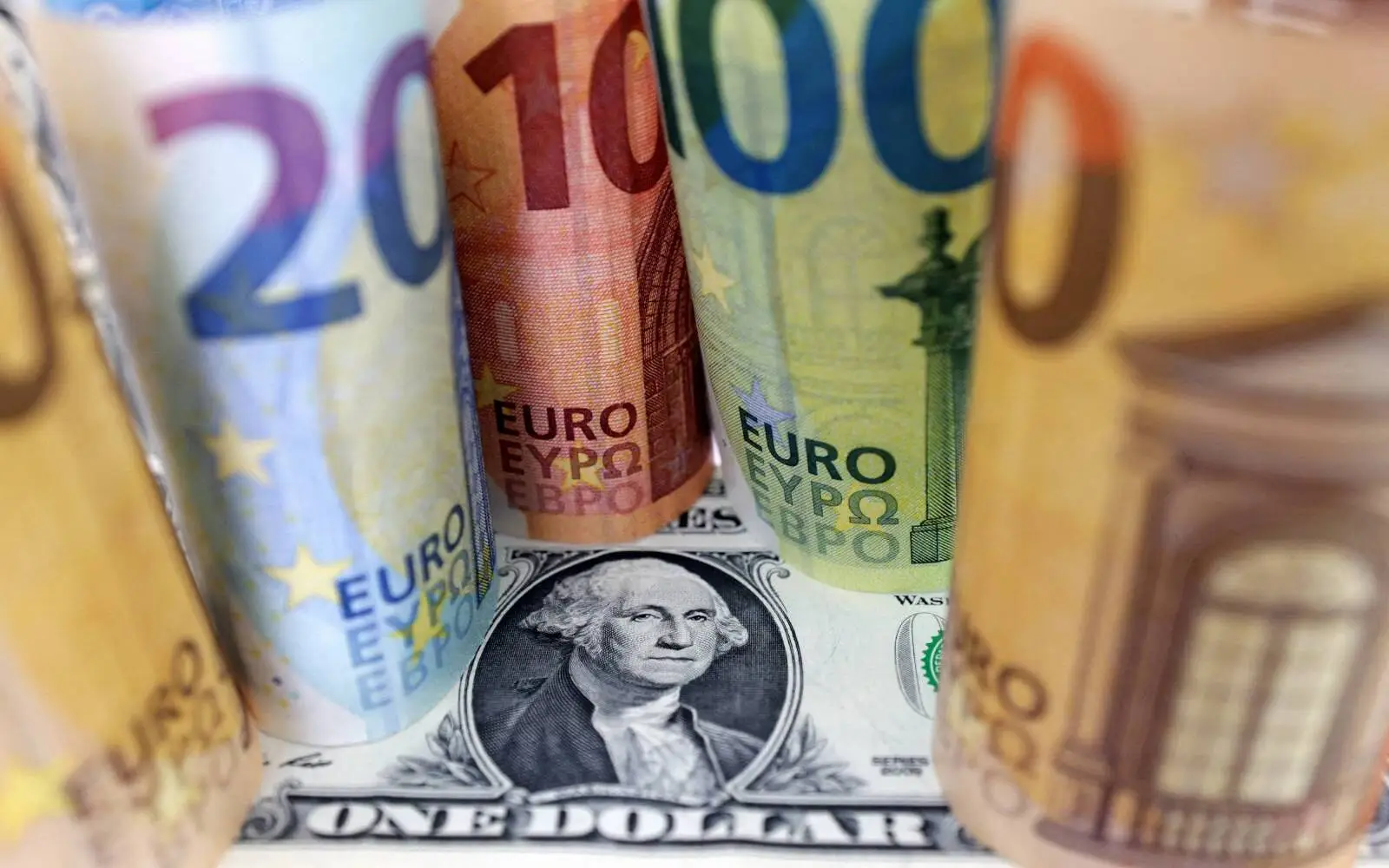 The greenback extended its weakness in early Asian trade, with the euro near a two-week high of US$1.1442. (Reuters pic)
HONG KONG: The US dollar was on track for the biggest weekly drop in nearly three months on Friday, after a tepid June jobs report pushed back markets expectations for Fed rate hikes, providing some relief for the embattled yen.
Softness in the greenback continued in early Asian trade, with the euro hovering near its two-week peak at US$1.1442. Sterling was also firm at US$1.3361 and on track for a 1.2% weekly gain, its best in nearly three months.
The risk-sensitive Australian dollar fetched US$0.6935, set to snap a four-week losing streak. New Zealand’s kiwi traded at US$0.5702, up 1.2% for the week.
The dollar index, which measures the greenback against a basket of currencies including the yen and the euro, was 0.2% lower at 100.77 after a 0.5% decline on Thursday. It is currently down 0.58% for the week, the biggest weekly drop since early April.
US job growth cooled sharply in June, with nonfarm payrolls increasing by 57,000 in June, well below expectations for a 110,000 rise. The labour force participation rate dropped to 61.5%, a more than 5-year low.
That has prompted traders to dial back expectations for a near-term interest rate increase from the Federal Reserve, with markets now pricing in a 52% chance for a hike at the September meeting, according to CME FedWatch, down from 64% in the prior session.
US Treasury yields also pulled back from earlier highs, with those on interest rate-sensitive two year notes snapping a three-day streak of gains with a 4 basis-point drop.
“At the margin, it is dovish, helping to ease concerns about labour market overheating and the need for more aggressive policy tightening,” said Sim Moh Siong, FX strategist at OCBC.
However the broader outlook remains constructive for the dollar, particularly against low-yielding currencies, as long as Fed tightening expectations stay intact, he added.
Yen respite
The Japanese yen last traded at 161.01 per dollar after rallying nearly 1% in the previous session, lifting the currency from multi decade-lows as the greenback wobbled.
Investors remained on high alert for intervention after Japanese officials abandoned their habit of telegraphing risks, instead signalling a more targeted campaign to squeeze speculators and raise the cost of betting against the battered yen.
The Bank of Japan should continue to raise interest rates at a moderate pace to rectify excessive yen declines, Toshihiro Nagahama, a government panel member known as an economic aide to dovish prime minister Sanae Takaichi, said on Thursday.
“The bigger question is what comes next,” said Tony Sycamore, an analyst at IG, pointing to the 162.83 level as a short-term top for dollar-yen.
“Whether it becomes a more meaningful medium-term high will ultimately depend on incoming US data and, to some degree, developments in the Japanese government bond market.”


You May Also Like

Metaplanet Stock Passes MARA to Become Third-Largest BTC Holder — Stock Slips Anyway

Japan’s Nagahama Signals Year-End Rate Hike as BoJ Charts Next Move


