

BlockDAG Review: Awakening Testnet Delivers Real Results, Upgraded Architecture, and Full Ethereum Compatibility!

BlockDAG’s Awakening Testnet didn’t just go live; it delivered. While many crypto presales rely on flashy websites and vague roadmaps, BlockDAG activated a real testnet that proved the architecture behind its claims. With over $420 million raised, nearly 27 billion BDAG coins sold, and a 2940% ROI since batch 1, BlockDAG isn’t just selling potential; it’s proving capability.
The current batch 31 is priced at $0.0304, but a limited-time code “TGE” gives access to a steep discount at $0.0018. More than just numbers, the Awakening Testnet confirmed miner synchronization, upgraded its transaction model, deployed full EVM and WASM support, and laid the groundwork for smart wallet interactions via EIP-4337.
This article takes a technical look at why BlockDAG Awakening Testnet is more than just marketing, and how it solidifies BlockDAG’s place among the best crypto infrastructure of 2025.
Real Testnet, Real Progress: BlockDAG Delivers
While most presale tokens promise testnets “coming soon,” BlockDAG has already launched and upgraded one. Awakening is the successor to Primordial, BlockDAG’s initial test environment, and marks a leap into a full account-based system, dropping the UTXO model in favor of compatibility with Ethereum-style smart contracts.
This change isn’t just cosmetic. It means developers familiar with the Ethereum Virtual Machine can now deploy and test smart contracts on BlockDAG using tools they already know. The Awakening Testnet was never positioned as a simulation. From day one, it included miner support using the Stratum protocol, and connected physical X-series miners (X10, X30, X100) as well as mobile-based X1 mining via app integration.

The testnet not only validated miner communication and block production, but also displayed them live in the BlockDAG Explorer, giving users full visibility into hash rates, blocks, and transaction throughput.
BlockDAG’s Speed Upgrade: From 800 TPS to 1400 TPS
One of the most discussed metrics in blockchain performance is transaction throughput. The Awakening Testnet delivered measurable gains in this area. Initial stress testing pushed throughput from approximately 800 transactions per second to 1400 TPS, thanks to its DAG-based parallel confirmation model. This type of performance isn’t theoretical; it’s been actively demonstrated and measured on a working testnet accessible to the public.
By moving to an account-based structure and integrating runtime upgradability, BlockDAG also reduced future risk. Upgrades no longer require disruptive hard forks. This alone places it ahead of many established Layer 1s still wrestling with monolithic update systems. Features like gas sponsorships, batch transactions, and social recovery wallets powered by EIP-4337 are already built into the architecture, waiting for dApps to take advantage.
A Crypto Testnet with Real Developer Tools
BlockDAG didn’t stop at testnet deployment. The team launched a full development environment in parallel, including a browser-based IDE. This integrated development environment supports smart contract creation, ERC20 token deployment, NFT minting, and contract testing, all within a user-friendly interface that mirrors professional toolchains. There’s also an interactive DApp zone featuring a live Reflection DApp (for instant, on-chain BDAG token distribution) and a Lottery DApp (on-chain game with transparent bid and reward flows).
For those exploring transaction flows, the Explorer’s advanced tools allow filtering by wallet, block, token, and even NFT metadata. Features like CSV exports, WalletConnect support, and real-time transaction heatmaps bring a level of accessibility often missing from early-stage projects.
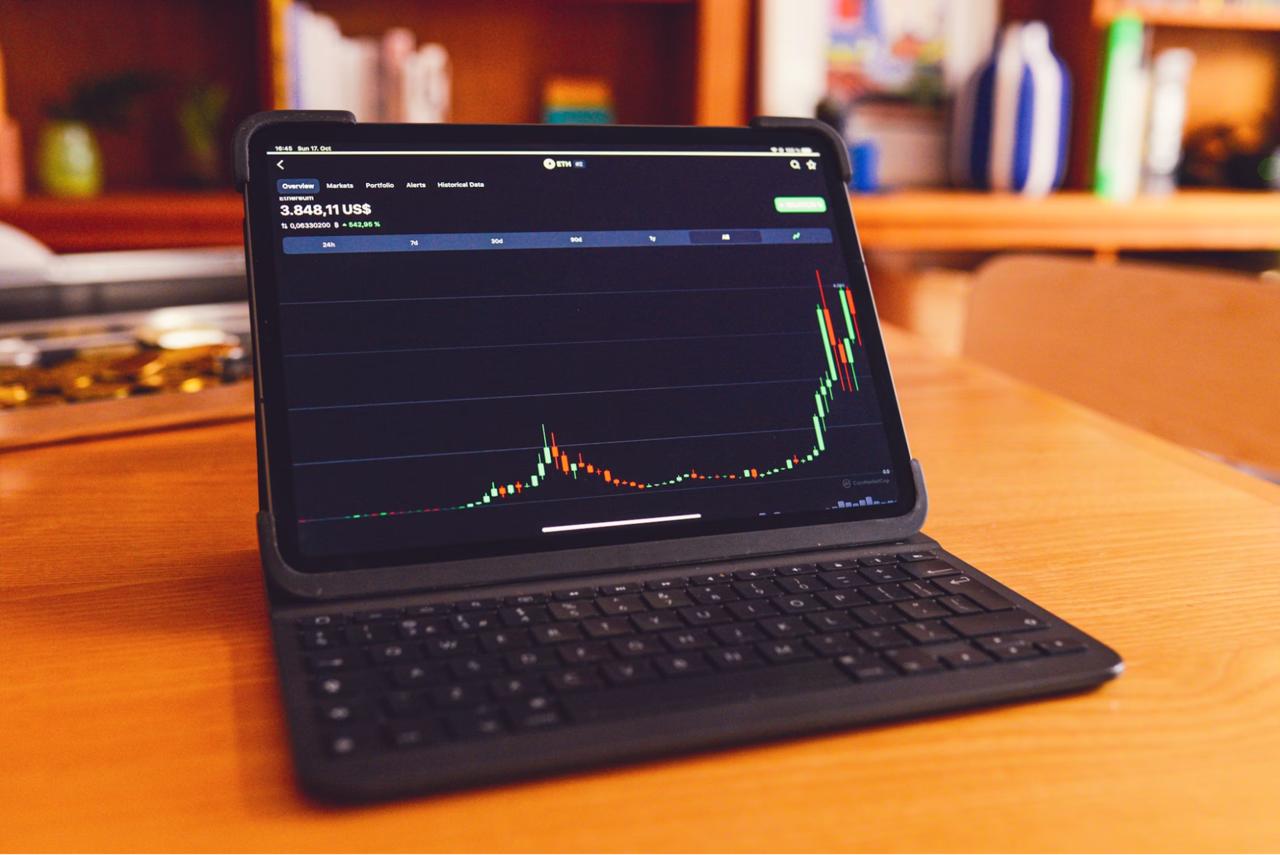
These are not future goals or unfunded prototypes. They exist today and are already in use. Users can connect to MetaMask, claim testnet tokens from the faucet, and start deploying or interacting with contracts immediately. That level of accessibility and completeness sets BlockDAG apart from most projects still in conceptual phases months or years after launch announcements.
Stress Testing Infrastructure Before The Mainnet
One of the most common criticisms of presale crypto tokens is the lack of visible, functioning infrastructure. BlockDAG directly counters this by not only launching a testnet but also continuously improving it. Awakening introduced runtime modularity, enabling isolated module upgrades without restarting the chain. It also launched a dedicated NFT explorer module, capable of rendering images, GIFs, and video previews for minted testnet NFTs. This wasn’t just cosmetic; it was a test of real-world decentralized storage and data-fetching performance under load.
More importantly, BlockDAG treated the testnet as a true proof of infrastructure. It validated miner latency, tested mobile app communication, confirmed explorer responsiveness under high load, and allowed developers to build directly on the platform. This sets a precedent: BlockDAG didn’t just announce technology, it made users part of the testing process.
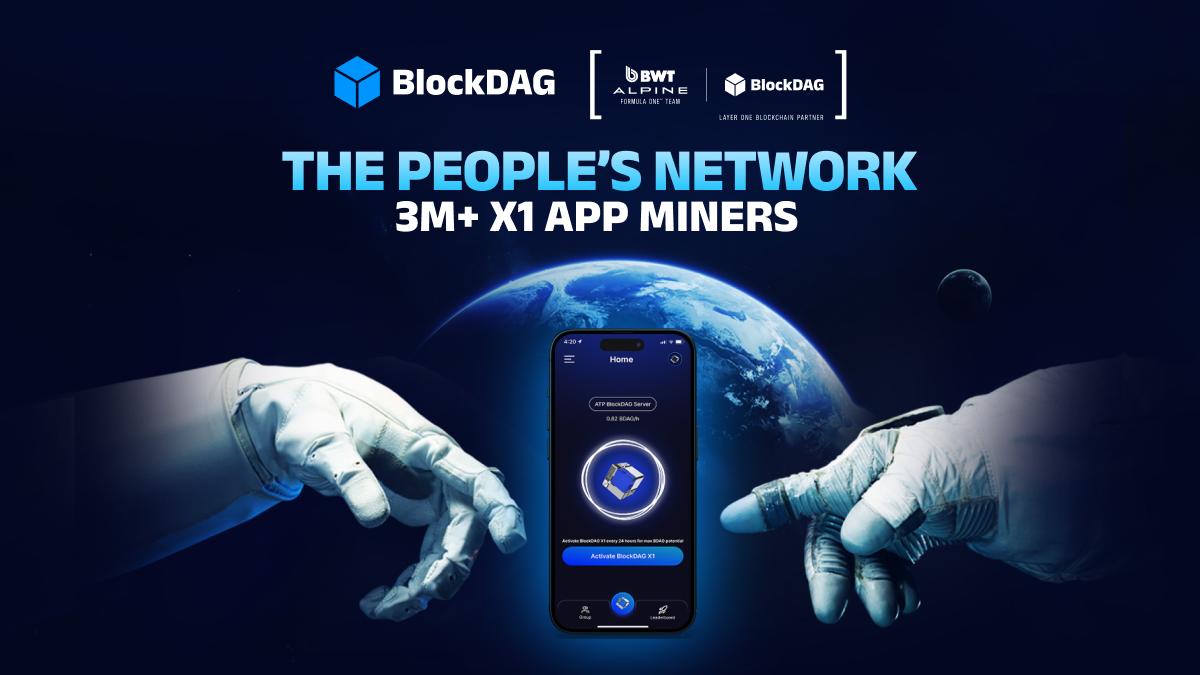
With mobile mining adoption now crossing 3 million users and 20,000+ physical miners shipped across 130+ countries, the ecosystem is already distributing compute resources in preparation for the mainnet. Awakening Testnet’s job is to prepare these endpoints, and the data shows that it’s doing exactly that.
The Bottom Line
The BlockDAG Awakening Testnet proved its purpose: not as a marketing tool, but as a working environment for blockchain execution, testing, and stress validation. With real throughput, real miner communication, and developer-ready tools, it redefines what a testnet should be in a presale stage.
While other tokens delay releases and make excuses, BlockDAG has already activated systems that show how its technology functions. Backed by a $420 million presale, a 2940% ROI since batch 1, and live integration with mining hardware and mobile apps, BlockDAG is no longer promising infrastructure; it’s delivering it.
For investors and developers looking for the best crypto infrastructure, Awakening is more than just a milestone; it’s proof that the engine under the hood works.

Presale: https://purchase.blockdag.network
Website: https://blockdag.network
Telegram: https://t.me/blockDAGnetworkOfficial
Discord: https://discord.gg/Q7BxghMVyu
This publication is sponsored. Coindoo does not endorse or assume responsibility for the content, accuracy, quality, advertising, products, or any other materials on this page. Readers are encouraged to conduct their own research before engaging in any cryptocurrency-related actions. Coindoo will not be liable, directly or indirectly, for any damages or losses resulting from the use of or reliance on any content, goods, or services mentioned. Always do your own research.
The post BlockDAG Review: Awakening Testnet Delivers Real Results, Upgraded Architecture, and Full Ethereum Compatibility! appeared first on Coindoo.
You May Also Like

eurosecurity.net Expands Cryptocurrency Asset Recovery Capabilities Amid Rising Investor Losses

Ethereum to boost scalability and roll out Fusaka upgrade on Dec 3
