Revolutionary Stock Tokenization: Superstate Bridges Traditional Finance to Ethereum and Solana
BitcoinWorld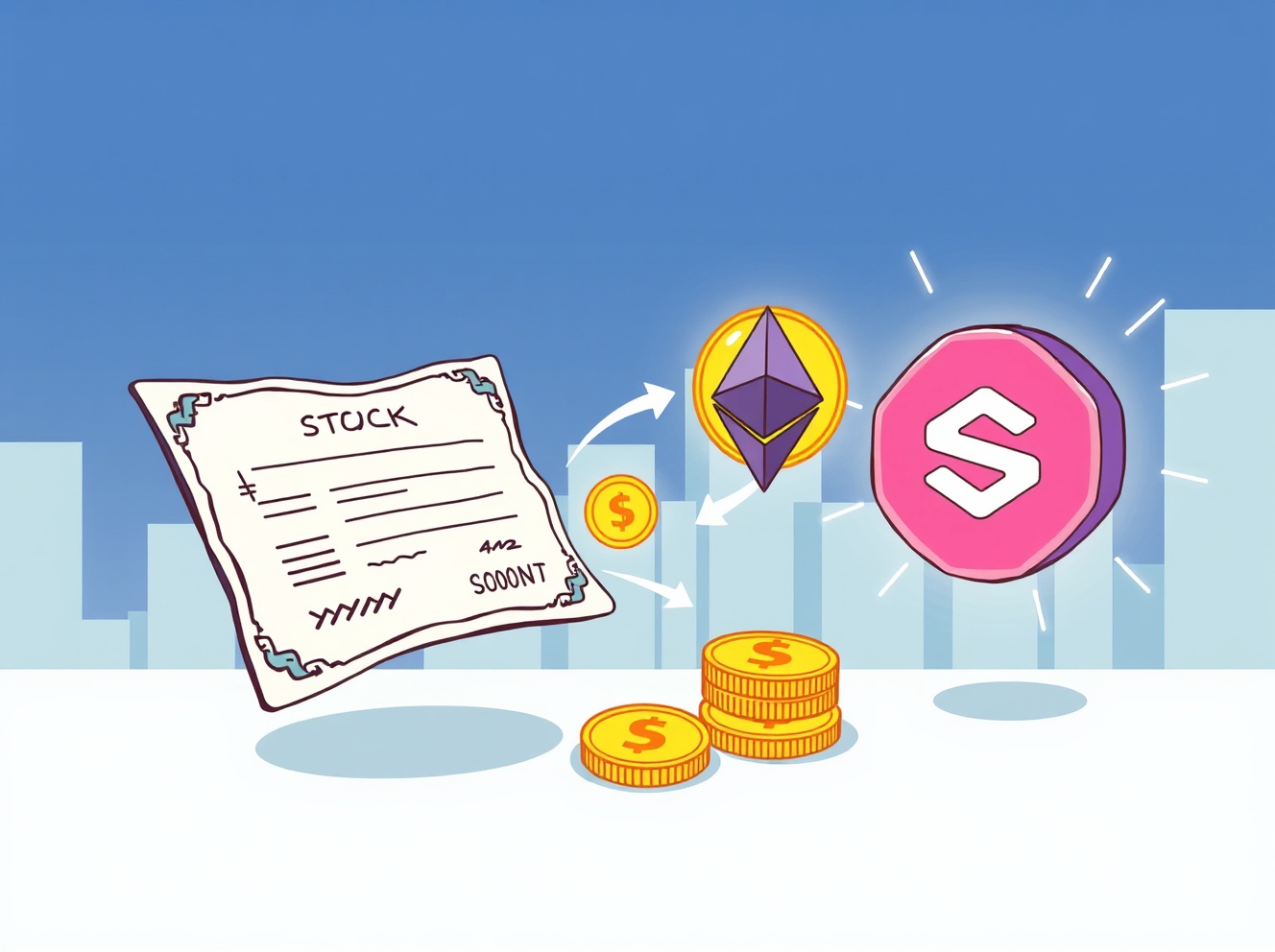
Revolutionary Stock Tokenization: Superstate Bridges Traditional Finance to Ethereum and Solana
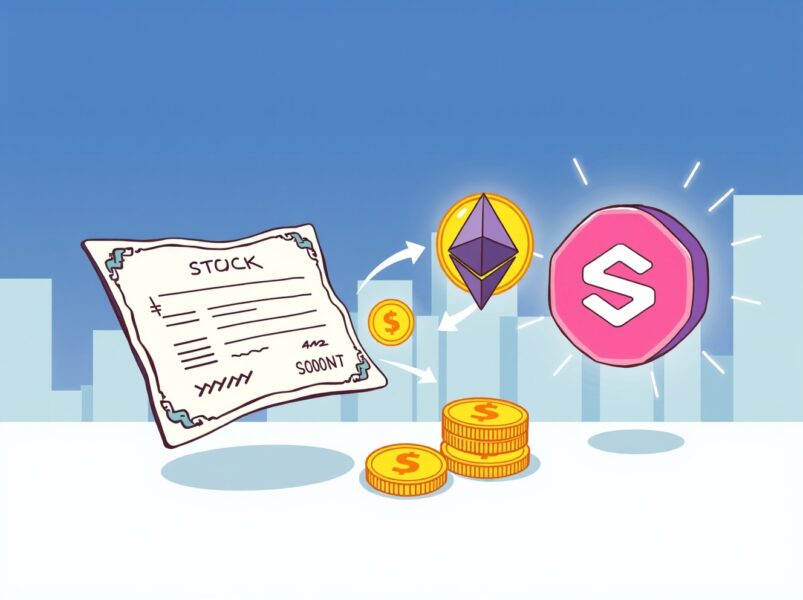
Imagine buying a share of a major company not through a traditional broker, but directly on a blockchain. This vision of the future is now a concrete plan. Asset tokenization firm Superstate has announced a groundbreaking move to support the issuance of tokenized stocks on both the Ethereum and Solana blockchains. This initiative represents a significant leap toward merging traditional capital markets with the efficiency and transparency of decentralized networks, fundamentally reshaping how we think about ownership and investment.
What is Superstate’s Plan for Stock Tokenization?
Superstate’s program, known as Distributed Intermediated Public Offerings (DIPs), is designed to bring real-world equities on-chain. According to a report by Cointelegraph, the structure is built with regulatory compliance as a core principle. The system features automatic updates to shareholder registries, ensuring accurate and transparent record-keeping. The first on-chain public offering under this new framework is scheduled to launch next year, marking a pivotal moment for stock tokenization.
Why Choose Ethereum and Solana for Tokenized Stocks?
Superstate’s dual-chain strategy is a strategic masterstroke. By leveraging both Ethereum and Solana, the firm taps into the unique strengths of each ecosystem. Ethereum offers unparalleled security, a massive developer community, and deep institutional trust. Solana provides blazing-fast transaction speeds and lower costs, which are crucial for a seamless user experience. This approach ensures the stock tokenization platform is robust, scalable, and accessible.
The benefits of this model are substantial for investors and companies alike:
- Enhanced Liquidity: Tokenized assets can be traded 24/7 on global markets, potentially unlocking new capital.
- Fractional Ownership: High-value stocks become accessible through micro-investments.
- Transparency and Efficiency: Blockchain’s immutable ledger reduces administrative overhead and settlement times.
- Global Access: It democratizes access to U.S. equities for international investors.
How Will Compliant Stock Tokenization Work?
The key to mainstream adoption lies in navigating complex securities laws. Superstate’s DIP framework is explicitly designed for this challenge. It acts as a compliant bridge, ensuring that every tokenized share is fully backed by a real-world security and that all regulatory requirements for shareholder communication, reporting, and ownership are met automatically on-chain. This focus on compliance is what separates a fleeting experiment from a durable financial innovation.
However, the path forward is not without hurdles. Regulatory acceptance across different jurisdictions will be critical. Furthermore, the technology must prove it can handle the scale and security demands of global equity markets. Despite these challenges, the potential reward—a more open, efficient, and inclusive financial system—is a powerful motivator.
What Does This Mean for the Future of Finance?
Superstate’s announcement is more than just a product launch; it’s a signal of a profound shift. The convergence of traditional finance (TradFi) and decentralized finance (DeFi) is accelerating. Stock tokenization serves as a perfect use case to demonstrate blockchain’s utility beyond cryptocurrency speculation. If successful, we could see a wave of real-world assets—from bonds and real estate to commodities—migrating to blockchain rails, creating a new internet of value.
In conclusion, Superstate’s plan to enable stock tokenization on Ethereum and Solana is a bold step toward a reimagined financial landscape. By prioritizing a compliant, dual-chain architecture, they are building a credible bridge for institutional capital. While the first public offering is still on the horizon, the message is clear: the tokenization of everything is no longer a question of ‘if,’ but ‘when.’ This move could very well be remembered as the catalyst that brought Wall Street to the blockchain.
Frequently Asked Questions (FAQs)
Q: What exactly are tokenized stocks?
A: Tokenized stocks are digital representations of traditional company shares issued on a blockchain. Each token is backed by a real security and grants the holder economic rights, such as potential dividends, mirroring ownership of the actual stock.
Q: Is buying a tokenized stock the same as buying the real stock?
A: In terms of economic interest, yes. However, the mechanism of ownership, trading, and settlement occurs on a blockchain, which can offer greater speed, transparency, and accessibility compared to traditional systems.
Q: How does Superstate ensure these tokenized stocks are legal?
A: Their DIP (Distributed Intermediated Public Offering) framework is specifically engineered for compliance. It includes features for automatic regulatory reporting, KYC/AML checks, and maintaining a proper shareholder registry that aligns with securities laws.
Q: Can anyone in the world buy these tokenized stocks?
A> While blockchain technology is global, the actual purchase will be subject to the securities regulations of the issuer and the investor’s jurisdiction. Superstate’s compliance-first design aims to navigate these rules, but access may vary by region.
Q: What are the main benefits for an average investor?
A> Key benefits include the potential for 24/7 trading, the ability to buy fractional shares of expensive stocks, faster settlement times, and reduced intermediary fees, making investing more efficient and accessible.
Q: When will the first tokenized stock offering happen?
A> Superstate has indicated that the first on-chain public offering under this new program is set to launch next year.
Found this deep dive into the future of stock tokenization insightful? If you believe in a more open and efficient financial system, share this article on your social media to spread the word and spark a conversation about the next wave of blockchain innovation!
To learn more about the latest trends in blockchain and asset tokenization, explore our article on key developments shaping Ethereum and Solana’s role in institutional adoption.
This post Revolutionary Stock Tokenization: Superstate Bridges Traditional Finance to Ethereum and Solana first appeared on BitcoinWorld.
You May Also Like

Starcloud Successfully Operates First AI Model in Space With Nvidia GPU

Revolut, Trust Wallet integration brings instant self-custody crypto buys to EEA