

Noord-Korea heeft in 2025 een record gevestigd binnen crypto. Volgens nieuwe cijfers van Chainalysis wist het land dit jaar meer dan $2 miljard aan crypto te stelenNoord-Korea heeft in 2025 een record gevestigd binnen crypto. Volgens nieuwe cijfers van Chainalysis wist het land dit jaar meer dan $2 miljard aan crypto te stelen
Hoe Noord-Korea voor $2 miljard aan crypto stal in 2025
Noord-Korea heeft in 2025 een record gevestigd binnen crypto. Volgens nieuwe cijfers van Chainalysis wist het land dit jaar meer dan $2 miljard aan crypto te stelen. Opvallend genoeg gebeurde dat in een jaar waarin het totale aantal hacks juist daalde. Minder aanvallen, maar veel grotere buit, dat is de nieuwe strategie. In totaal komt Noord-Korea’s geschatte opbrengst inmiddels uit op $6,75 miljard. Check onze Discord Connect met "like-minded" crypto enthousiastelingen Leer gratis de basis van Bitcoin & trading - stap voor stap, zonder voorkennis. Krijg duidelijke uitleg & charts van ervaren analisten. Sluit je aan bij een community die samen groeit. Nu naar Discord Minder hacks, grotere klappen Waar Noord-Koreaanse hackers in eerdere jaren vooral bekend stonden om veel, maar relatief kleine aanvallen, is dat patroon in 2025 duidelijk veranderd. Chainalysis ziet een verschuiving naar gerichte, zorgvuldig geplande operaties die gericht zijn op maximale impact. Het aantal incidenten daalde, maar de opbrengst per hack steeg fors. Het bekendste voorbeeld is de $1,5 miljard hack bij Bybit, maar ook los daarvan werd duidelijk dat de focus ligt op precisie in plaats van volume. De aanvallen richten zich steeds minder op kwetsbare code alleen. In plaats daarvan proberen hackers diep door te dringen in organisaties, bijvoorbeeld door zich voor te doen als leidinggevenden, interne medewerkers of externe contractors. Zodra ze toegang hebben tot interne systemen, kan er in één keer grote schade worden gedaan. Mensen als zwakke punt Een belangrijk inzicht uit het rapport is dat de aanvallen zich verplaatsen van technologie naar mensen. Smart contracts en DeFi zijn de afgelopen jaren beter beveiligd, mede door audits en strengere standaarden. Daardoor zijn ze minder aantrekkelijk geworden als doelwit. In plaats daarvan richten aanvallers zich op de lagen eromheen. IT medewerkers, klantenservice, systeembeheerders en managers met vergaande toegangsrechten. De hacks gaan steeds minder over het breken van code, en steeds meer over social engineering en interne infiltratie. Volgens Chainalysis is dit een fundamentele verschuiving die traditionele beveiligingsmodellen onder druk zet. Nieuwe cryptomuntenKom als eerste te weten wat de nieuwste cryptomunten van dit moment zijn! Elke crypto investeerder is er naar op zoek: een nieuwe crypto met groot groeipotentieel. De Federal Reserve heeft de rentes zoals verwacht verlaagd, en dus ontstaan er nieuwe kansen op de cryptomarkt. Experts zien kansen in altcoins als Polygon en Bitcoin Hyper. In dit artikel zetten we de beste munten op een rij die in… Continue reading Hoe Noord-Korea voor $2 miljard aan crypto stal in 2025 document.addEventListener('DOMContentLoaded', function() { var screenWidth = window.innerWidth; var excerpts = document.querySelectorAll('.lees-ook-description'); excerpts.forEach(function(description) { var excerpt = description.getAttribute('data-description'); var wordLimit = screenWidth wordLimit) { var trimmedDescription = excerpt.split(' ').slice(0, wordLimit).join(' ') + '...'; description.textContent = trimmedDescription; } }); }); Hoe het gestolen geld wordt witgewassen Ook aan de achterkant is Noord-Korea efficiënter geworden. Het rapport legt een terugkerend patroon uit waarbij gestolen crypto binnen ongeveer 45 dagen wordt witgewassen. Dat gebeurt via een combinatie van mixers, bruggen tussen blockchains en snelle doorverkoop via zogeheten OTC kanalen, vaak via Chineestalige brokers en instant exchangers. Het gebruik van deze routes door Noord-Koreaans gelinkte groepen nam in sommige netwerken met honderden procenten toe. Door deze snelle en gelaagde aanpak wordt het steeds lastiger om fondsen op tijd te bevriezen of terug te halen. Retail blijft kwetsbaar Hoewel de grootste bedragen bij institutionele partijen werden gestolen, kregen ook gewone gebruikers klappen te verwerken. In 2025 werden 158.000 persoonlijke wallets gehackt, bijna 3 keer zoveel als in 2022. De totale schade bij particuliere wallets lag met ongeveer $713 miljoen lager dan in eerdere piekjaren, maar vooral gebruikers op Solana werden hard geraakt. Dat laat zien dat, ondanks verbeteringen op protocolniveau, individuele beveiliging nog vaak te wensen over laat. Wat dit betekent voor de cryptomarkt Chainalysis waarschuwt dat Noord-Korea’s cyber operaties inmiddels een volwassen, strategisch niveau hebben bereikt. Het gaat niet langer om opportunistische hacks, maar om staatsgedreven financiële operaties die structureel bijdragen aan het regime. Voor de crypto sector betekent dit dat beveiliging opnieuw moet worden herzien. Niet alleen door betere code, maar vooral door strengere interne processen, toegangscontrole en bewustzijn bij medewerkers. Best wallet - betrouwbare en anonieme wallet Best wallet - betrouwbare en anonieme wallet Meer dan 60 chains beschikbaar voor alle crypto Vroege toegang tot nieuwe projecten Hoge staking belongingen Lage transactiekosten Best wallet review Koop nu via Best Wallet Let op: cryptocurrency is een zeer volatiele en ongereguleerde investering. Doe je eigen onderzoek.
Het bericht Hoe Noord-Korea voor $2 miljard aan crypto stal in 2025 is geschreven door Gijs Smit en verscheen als eerst op Bitcoinmagazine.nl.
Market Opportunity
Outlanders Price(LAND)
$0.0002402
$0.0002402$0.0002402
USD
Outlanders (LAND) Live Price Chart
Disclaimer: The articles reposted on this site are sourced from public platforms and are provided for informational purposes only. They do not necessarily reflect the views of MEXC. All rights remain with the original authors. If you believe any content infringes on third-party rights, please contact [email protected] for removal. MEXC makes no guarantees regarding the accuracy, completeness, or timeliness of the content and is not responsible for any actions taken based on the information provided. The content does not constitute financial, legal, or other professional advice, nor should it be considered a recommendation or endorsement by MEXC.
You May Also Like
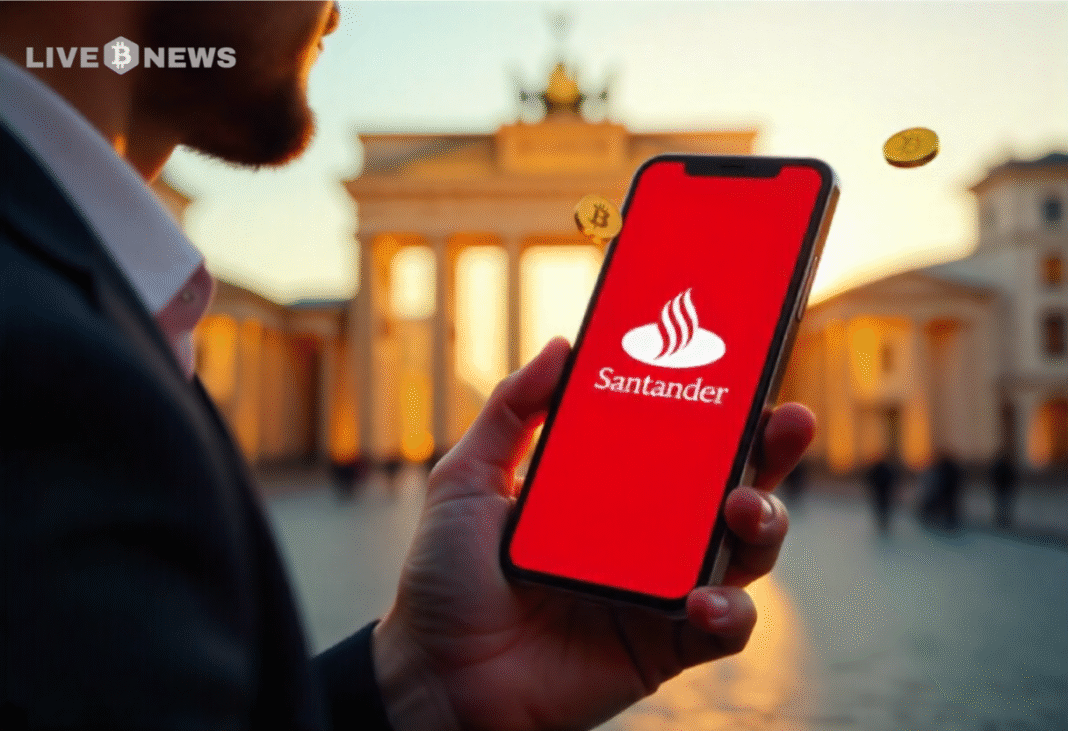
Santander’s Openbank Sparks Crypto Frenzy in Germany
In Germany, the digital bank Santander Openbank introduces trading in crypto, which offers BTC, ETH, LTC, POL, and ADA in the MiCA framework of the EU. Santander, the largest bank in Spain, has officially introduced cryptocurrency trading to its clients in Germany, using its digital division, Openbank. With this new service, users can purchase, sell, […] The post Santander’s Openbank Sparks Crypto Frenzy in Germany appeared first on Live Bitcoin News.
Share
LiveBitcoinNews2025/09/18 04:30

The GENIUS Act Is Already Law. Banks Shouldn’t Try to Rewrite It Now
The post The GENIUS Act Is Already Law. Banks Shouldn’t Try to Rewrite It Now appeared on BitcoinEthereumNews.com. Healthy competition drives innovation and better products for consumers; it is at the center of American economic leadership. Unfortunately, now that the bipartisan GENIUS Act has been signed into law, major legacy financial institutions seem to be having second thoughts about the innovations that stablecoins can bring to financial markets. Bank lobbying groups and public affairs teams have been peppering Congress with complaints about the law, urging members to reopen debate and introduce changes to the legislation that will ensure the stablecoin market doesn’t grow too quickly, protecting banks’ profits and stifling consumer choice. This reactionary response is both overblown and unnecessary. What legacy financial firms should do instead is embrace competition and offer exciting new products and services that consumers want, not try to kneecap emerging players through anti-innovation rules and regulations. The GENIUS Act was carefully designed with a thorough bipartisan process to strengthen consumer safeguards, ensure regulatory oversight, and preserve financial stability. Efforts to roll back its provisions are less about protecting families and more about protecting entrenched banking interests from the competition that helps ensure the U.S. banking system stays the strongest and most innovative in the world. Critics warn that allowing stablecoins to provide rewards could lead to massive deposit outflows from community banks, with figures as high as $6.6 trillion cited. But closer examination shows this fear is unfounded. A July 2025 analysis by consulting firm Charles River Associates found no statistically significant relationship between stablecoin adoption and community bank deposit outflows. In fact, the overwhelming majority of stablecoin reserves remain in the traditional financial system — either in commercial bank accounts or in short-term Treasuries — where they continue to support liquidity and credit in the broader U.S. economy. The dire estimates rely on unrealistic assumptions that every dollar of stablecoin issuance permanently…
Share
BitcoinEthereumNews2025/09/18 09:39

Grayscale’s GDLC Fund, Holding SOL and ADA, Receives SEC Approval for NYSE Listing
Grayscale’s GDLC Fund, holding BTC, ETH, XRP, SOL, and ADA, receives SEC approval to list on NYSE Arca, offering crypto exposure. Grayscale’s Digital Large Cap Fund (GDLC) holds major cryptocurrencies like Bitcoin, Ethereum, XRP, Solana, and Cardano. The U.S. SEC has approved GDLC to list on NYSE Arca. This gives investors regulated access to […] The post Grayscale’s GDLC Fund, Holding SOL and ADA, Receives SEC Approval for NYSE Listing appeared first on Live Bitcoin News.
Share
LiveBitcoinNews2025/09/18 19:30