

Founders, business leaders, and scientists Africa lost in 2025
A fintech executive, a mobile-gaming pioneer, a nuclear scientist, the first African engineer to work at the National Aeronautics and Space Administration (NASA), and a first-generation banker who helped build the rails for modern African finance were among the notable figures Africa’s technology, banking, and science, technology, engineering and mathematics (STEM) ecosystems lost in 2025.
This is a partial list, focusing on people whose impact was felt across startups, finance, academia and the broader technology ecosystem.
Senamile Masango, South African, 37
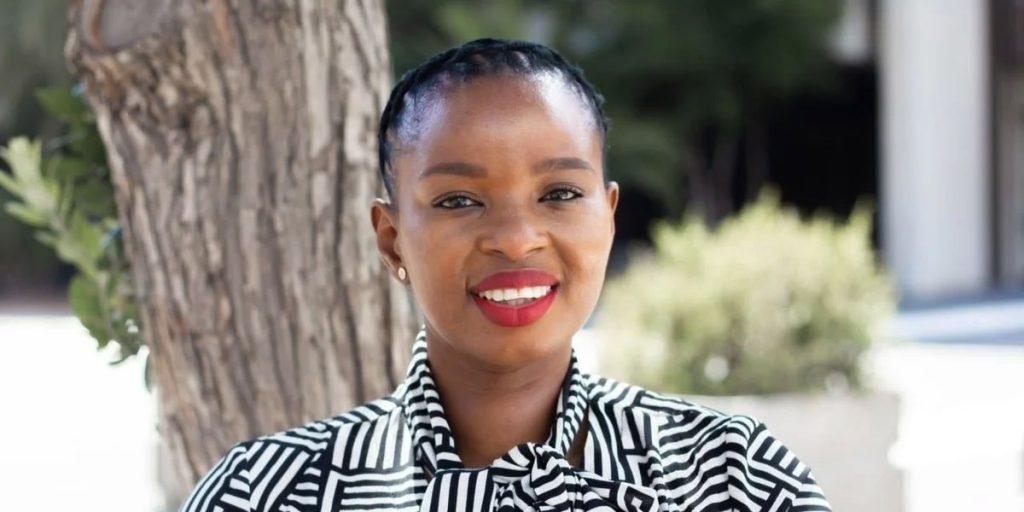 Senamile Masango, South African nuclear scientist. Image Source: Photo shared on LinkedIn by Colleen Larsen/American Nuclear Society
South Africa’s first Black female nuclear scientist, Masango’s career symbolised what was possible when more women gained access to advanced STEM training. She died on February 9, 2025, after an illness, leaving a legacy that stretched beyond research into representation and role‑modelling.
Her work in nuclear physics, including research at the European Council for Nuclear Research (CERN), the world’s largest particle physics laboratory based in Meyrin, a western suburb of Geneva, Switzerland, and leadership roles at South Africa’s nuclear energy corporation. Her visibility as a young Black scientist inspired students across the continent.
Adetunji “Teejay” Opayele, Nigerian, 32
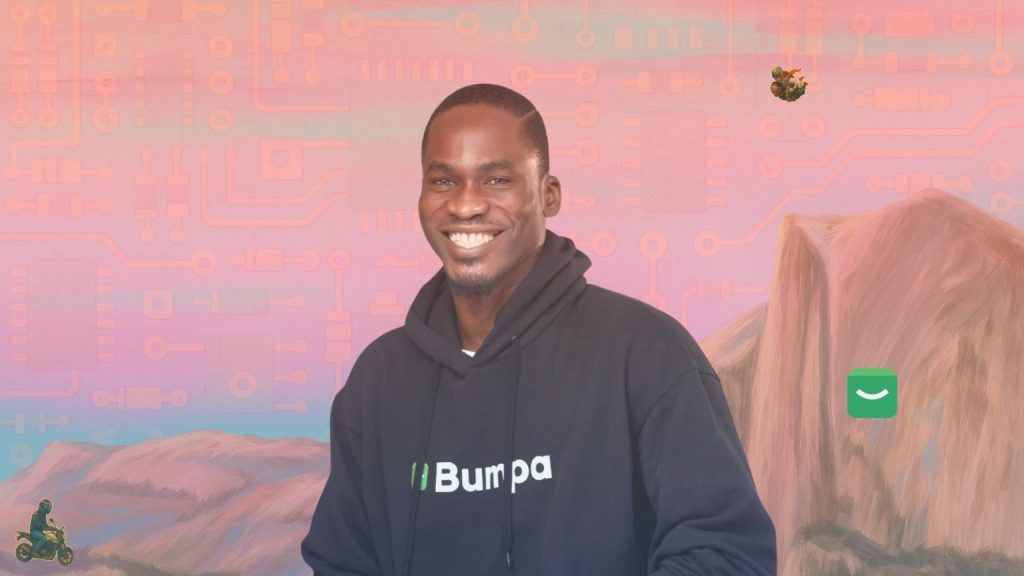 Adetunji “Teejay” Opayele. Image Source: Bumpa.
Adetunji “Teejay” Opayele, who died in a car crash in Lagos on March 4, 2025, was co-founder of Bumpa, a Nigerian startup helping small businesses digitise sales, inventory, and customer engagement.
A self-taught mobile developer and former e-settlement engineer, he built much of Bumpa’s technical stack, helping the e-commerce startup close a $4 million seed round in 2022 and grow to tens of thousands of merchants using its tools to run informal and micro-retail businesses. His colleagues and co-founder Kelvin Umechukwu described him as a builder at heart, always full of ideas.
Pascal Gabriel Dozie, Nigerian, 85
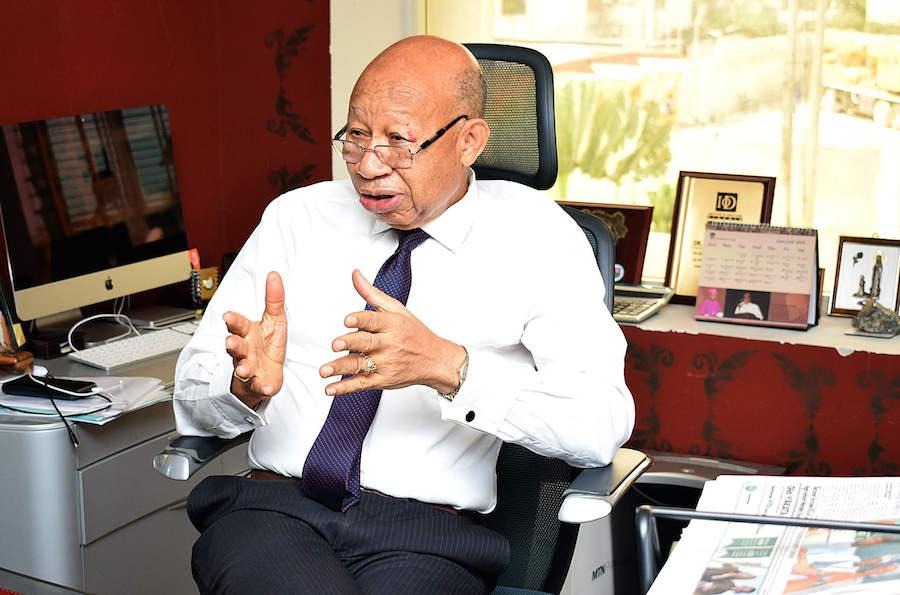 Pascal Gabriel Dozie, founder of defunct Diamond Bank and co-founder of African Capital Alliance. Image Source: The ICIR
Founder of Diamond Bank, the Nigerian tier-2 bank acquired by Access Bank in 2019, and pioneering chairman of MTN Nigeria, Dozie helped lay two of the core rails that today’s African tech ecosystem runs on: modern retail banking and mass‑market mobile connectivity.
As Diamond Bank’s founder, he backed consumer and SME banking decades before “fintech” became a buzzword, and as MTN Nigeria’s first chairman, he helped steer the telecom firm’s entry and expansion in what became one of its most important markets. He died on April 8, 2025; many of today’s fintechs, neobanks, and mobile‑first startups are effectively building on the infrastructure he helped put in place.
He was father to Uzoma Dozie, former group managing director of the now-defunct Diamond Bank and CEO of digital bank Sparkle, and Ngozi and Chijioke Dozie, both cofounders of digital lending and microfinance bank Carbon. An influential figure, the Dozie patriarch was mourned by Nigerian President Bola Tinubu after his passing.
Abiola Olaniran, Nigerian, 36
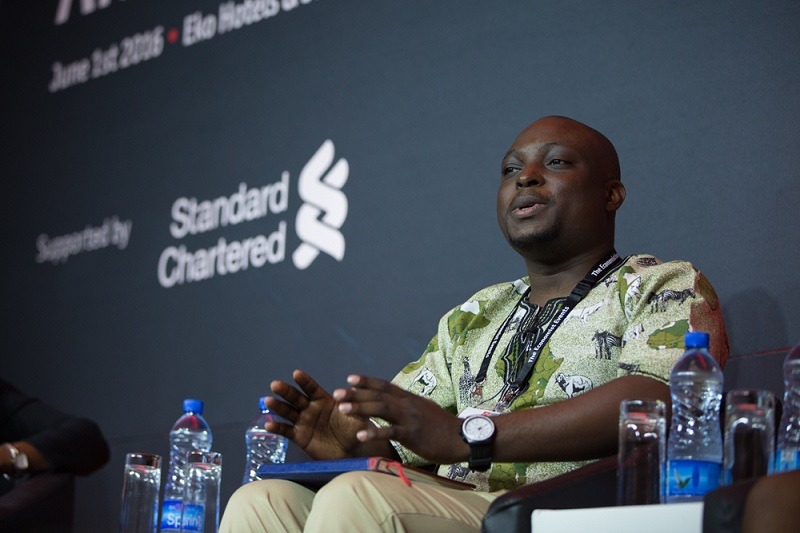 Abiola Olaniran speaking on a panel at a Standard Chartered–supported tech event held at Eko Hotels and Suites, Lagos, in June 2016. Image Source: Disrupt Africa
Founder of Gamsole, one of the continent’s most downloaded mobile game studios, Olaniran was a pioneer of African mobile gaming, an early backer of the ecosystem, and the first angel investor in Techpoint Africa, the Nigeria-based tech publication. He died on July 16, 2025, aged 36.
His titles, such as Gidi Run, Monster Ninja, and a styled version of the popular game Temple Run, collectively surpassed 10 million downloads worldwide, proving that African‑made games could compete on global platforms. He left behind a catalogue of games and a generation of younger developers he quietly mentored.
Susan Kamengere Njoki, Kenyan, 48
 Susan Kamengere Njoki. Image Source: Discover JKUAT
A registered nurse, lactation specialist, and certified infant massage instructor, Njoki founded Toto Touch Kenya to support children and parents with mental health and nurturing care, blending clinical practice with digital community building.
Her death on July 16, 2025, shortly after a forced admission to a Nairobi mental‑health facility, and a post‑mortem finding of death from manual strangulation, sparked public outcry and renewed scrutiny of how Kenya’s mental‑health and patient‑rights laws are applied in practice.
Leon Kiptum Kidombo, Kenyan, 44
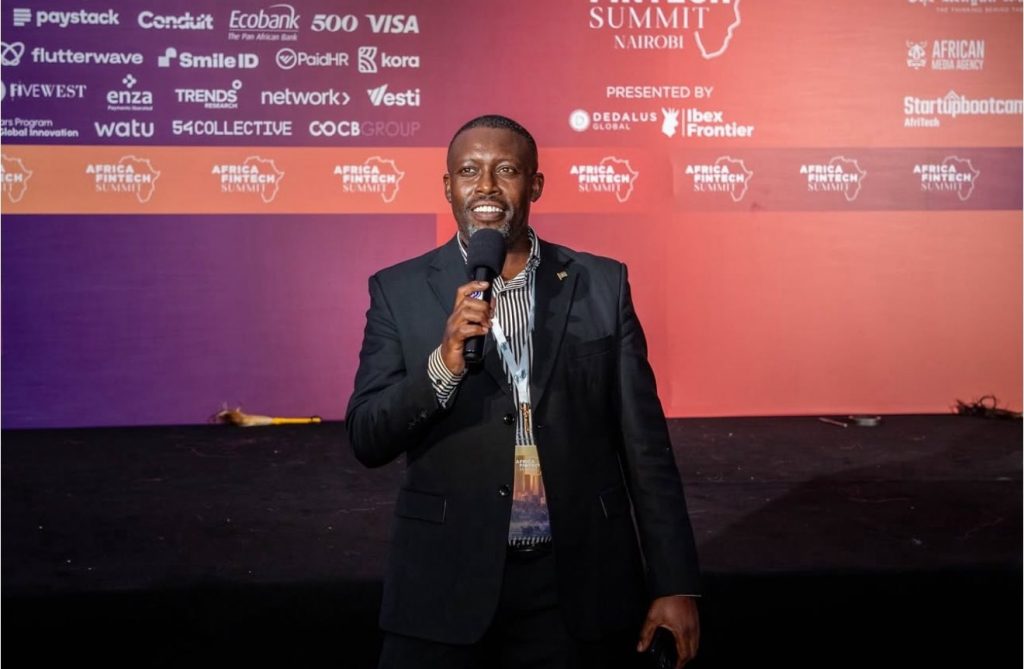 Former Flutterwave East Africa VP Leon Kiptum. Image Source: Flutterwave on X
A respected fintech executive and mentor, Kidombo served as Senior Vice President for East Africa at Flutterwave, the Nigerian payments unicorn operating in more than 30 countries, where he played a critical role in expanding the company’s presence across the region.
He rebuilt relationships with regulators and forged partnerships with banks and enterprise clients. He died on August 3, 2025, aged 44, after a battle with cancer, just weeks after stepping back from work to focus on his health.
Beyond his day job, he served on the board of the Association of Fintechs in Kenya, where he pushed for more collaboration and standards across payment startups.
Frank Marangu Ireri, Kenyan, 63
 Frank Ireri speaking at a 2017 interview with Trading Bell, a capital market-focused analysis programme by Kenya’s Nairobi Securities Exchange (NSE). Image Source: NSE Kenya/YouTube
As managing director of Housing Finance (later HF Group) for over a decade, Ireri was one of the executives who sought to drag East Africa’s oldest mortgage lender into a digital, more competitive era. He died on October 26, 2025, after a long battle with cancer, leaving behind a generation of Kenyan bankers and operators he had mentored.
His greatest impact at HF was diversifying the firm’s product offerings beyond traditional home loans and driving early digitisation of its lending services. Before his death, he held governance roles at Centum Real Estate, Habitat for Humanity Kenya, and the HR‑tech firm SeamlessHR, where he served on the startup’s Kenya advisory board.
Madiassa Maguiraga, Malian, 82
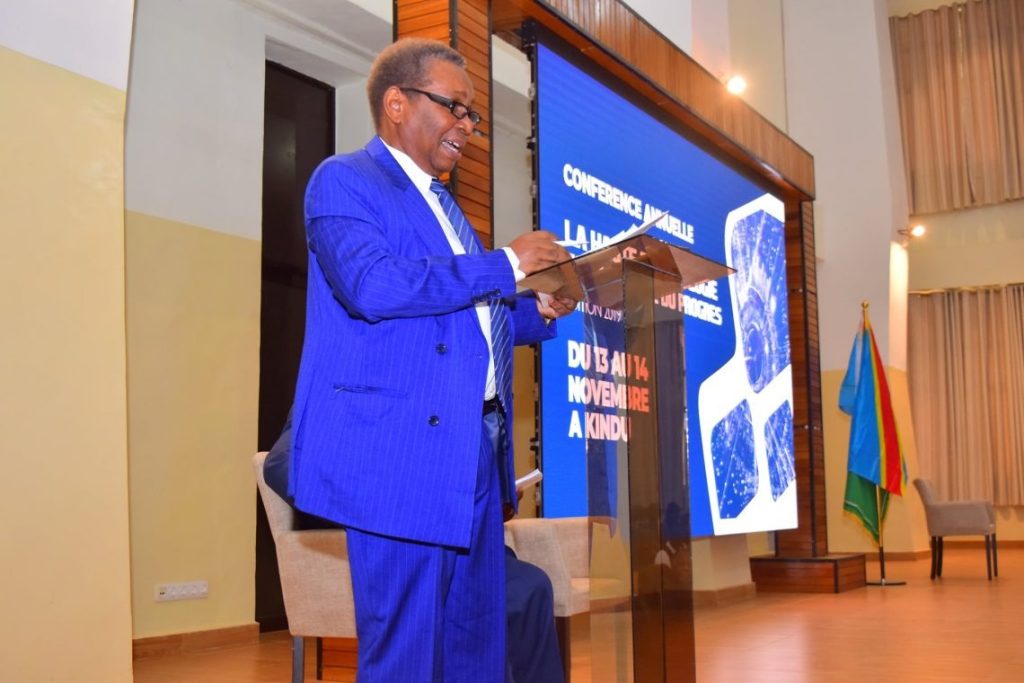 Madiassa Maguiraga speaking at the Conférence Annuelle sur la Haute Technologie (CAHT) in November 2019, an annual tech conference held at Université Mapon in Kindu, Democratic Republic of Congo. Image Source: Université Mapon
Madiassa Maguiraga, who died on November 5, 2025, was a towering figure in African science and education. He was among the first generation of engineers to bridge global institutions and local development.
After studying electrical engineering in the United States and reportedly becoming the first African to work for NASA, the government agency responsible for civilian space programmes in the US, Maguiraga returned to Mali to found the Centre International des Technologies Avancées, which trained thousands of engineers and scientists and became a hub for advanced technical education in the Sahel.
Professor Keolebogile “Keo” Motaung, South African, 52
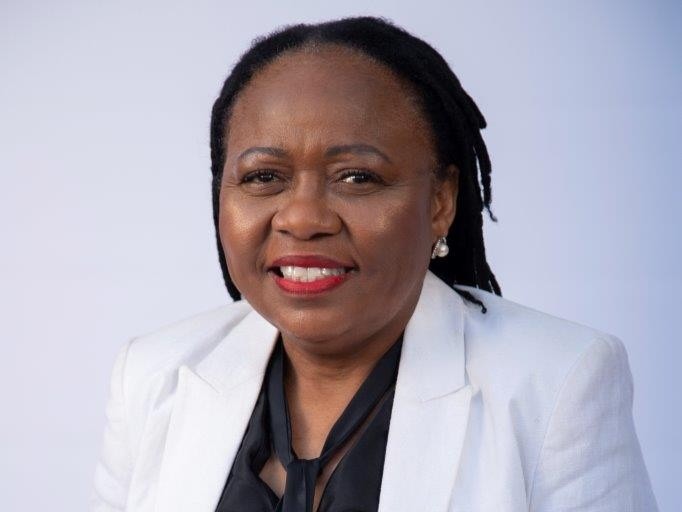 Professor Keolebogile Motaung. Image Source: South African Government News Agency
A biomedical scientist and tissue‑engineering specialist, Motaung served as a research chair in Entrepreneurship and Financial Inclusion at Nelson Mandela University before her death on November 12, 2025. At the university, she built a pipeline that helped innovators bridge science and entrepreneurship by assisting students to turn their scientific intellectual property (IP) into commercially viable health products.
She founded Global Health Biotech to develop innovations such as the La‑Africa Soother ointment, and through roles at Durban University of Technology, the Technology Innovation Agency, and national IP bodies, she mentored scores of young scientists. Several institutions, including Nelson Mandela University and South Africa’s Ministry of Science and Technology, paid tribute to “Prof Keo,” as she was affectionately called.
The deaths of these builders across different sectors leave more than personal grief. They leave gaps in mentorships, institutional memory, business judgement, and the advocacy that kept research in frontier sectors alive. The banking and telecom rails, companies, research groups, and communities they helped build now face a test of whether Africa’s ecosystem can preserve and extend their work without them.
You May Also Like

The Channel Factories We’ve Been Waiting For

Solana Prepares Major Consensus Upgrade with Alpenglow Protocol
