Key Takeaways: U.S. House has passed the GENIUS Act, establishing federal stablecoin regulations. Executives from Ondo, Bitpanda, and Gluwa cite rising institutional confidence. Regulatory clarity may shape how infrastructure and securities laws intersect globally. Executives from Ondo Finance, Bitpanda, and Gluwa say the passage of key crypto regulations, including the GENIUS Act in the U.S. House, represents a shift in the policy environment for digital assets. According to statements shared with Cryptonews.com on July 16, Ian De Bode, Chief Strategy Officer at Ondo Finance, said the bill represents “the beginning of a new regulatory era,” citing bipartisan cooperation and increased institutional readiness. GENIUS Act Interpreted by Executives “The clearer the rules, the faster adoption will follow,” he said, adding that legal clarity has long been the key obstacle to full institutional participation. De Bode noted that Patrick McHenry, Vice Chair of Ondo and former Chair of the House Financial Services Committee, has played a role in advancing policy. “His presence alongside President Trump at today’s GENIUS Act signing underscores the significance of this moment – not just for policy, but for the broader digital asset industry,” De Bode said. Crypto Week has delivered. The GENIUS Act is now law, providing long-overdue clarity for stablecoin issuers, protections for consumers, and defined guidelines for regulators. With the CLARITY Act also advancing through the Senate, the US took a major step toward defining… pic.twitter.com/ckNjO2FF2t — Ondo Finance (@OndoFinance) July 18, 2025 Bitpanda Deputy CEO Lukas Enzersdorfer-Konrad said that regulatory movement in Washington is shaping investor sentiment. “This breakthrough is fuelling broad market optimism in BTC, as we’ve seen from the recent all-time high, and now for altcoins,” he said. He emphasized the renewed interest in altcoins like XRP and DOGE and said, “broad rallies need confidence.” Tae Oh, CEO of Gluwa, focused on the stablecoin provision in the GENIUS Act. “By establishing the first federal framework for USD-pegged stablecoins, this development signals a strong commitment to responsible innovation, consumer protection, and long-term industry growth,” he said. He added that the bill supports future adoption in “payments, DeFi, and financial infrastructure.” Oh also pointed to the Crypto Market Structure Bill and the upcoming Fed meeting. “Even the slightest hints of a pivot in policy could significantly impact risk assets,” he said. Evolving Regulatory Environment in Crypto Space Some industry analysts view the GENIUS Act’s passage as part of a larger trend toward regulatory convergence across major economies. The European Union’s Markets in Crypto-Assets Regulation (MiCA) and similar efforts in Asia suggest that lawmakers globally are seeking to align digital asset oversight with existing financial systems, reducing regulatory arbitrage and improving cross-border compatibility. At the same time, the regulation exposes a divide between countries that treat crypto primarily through securities law enforcement and those that treat it through financial infrastructure reform. The ability of jurisdictions to define clear supervisory roles across banking, securities, and commodities may determine how effectively they integrate blockchain-based systems into their economies. Frequently Asked Questions (FAQs) How might U.S. regulation impact crypto jurisdictions in Asia? Asia-based regulatory authorities may adjust licensing structures and enforcement thresholds based on how U.S. policy evolves, particularly if they seek access to U.S. liquidity or wish to comply with international financial standards. What are the risks of regulatory fragmentation despite growing alignment? Conflicting definitions of digital assets and inconsistent supervision of stablecoins or DeFi protocols may lead to market segmentation, making it harder for cross-border services to operate under unified legal assumptions. How are traditional financial institutions responding to the GENIUS Act? Many banks and asset managers are reportedly monitoring developments for potential entry points, especially in areas such as tokenized treasuries and compliant stablecoin issuance, which may now fall under clearer federal rules.Key Takeaways: U.S. House has passed the GENIUS Act, establishing federal stablecoin regulations. Executives from Ondo, Bitpanda, and Gluwa cite rising institutional confidence. Regulatory clarity may shape how infrastructure and securities laws intersect globally. Executives from Ondo Finance, Bitpanda, and Gluwa say the passage of key crypto regulations, including the GENIUS Act in the U.S. House, represents a shift in the policy environment for digital assets. According to statements shared with Cryptonews.com on July 16, Ian De Bode, Chief Strategy Officer at Ondo Finance, said the bill represents “the beginning of a new regulatory era,” citing bipartisan cooperation and increased institutional readiness. GENIUS Act Interpreted by Executives “The clearer the rules, the faster adoption will follow,” he said, adding that legal clarity has long been the key obstacle to full institutional participation. De Bode noted that Patrick McHenry, Vice Chair of Ondo and former Chair of the House Financial Services Committee, has played a role in advancing policy. “His presence alongside President Trump at today’s GENIUS Act signing underscores the significance of this moment – not just for policy, but for the broader digital asset industry,” De Bode said. Crypto Week has delivered. The GENIUS Act is now law, providing long-overdue clarity for stablecoin issuers, protections for consumers, and defined guidelines for regulators. With the CLARITY Act also advancing through the Senate, the US took a major step toward defining… pic.twitter.com/ckNjO2FF2t — Ondo Finance (@OndoFinance) July 18, 2025 Bitpanda Deputy CEO Lukas Enzersdorfer-Konrad said that regulatory movement in Washington is shaping investor sentiment. “This breakthrough is fuelling broad market optimism in BTC, as we’ve seen from the recent all-time high, and now for altcoins,” he said. He emphasized the renewed interest in altcoins like XRP and DOGE and said, “broad rallies need confidence.” Tae Oh, CEO of Gluwa, focused on the stablecoin provision in the GENIUS Act. “By establishing the first federal framework for USD-pegged stablecoins, this development signals a strong commitment to responsible innovation, consumer protection, and long-term industry growth,” he said. He added that the bill supports future adoption in “payments, DeFi, and financial infrastructure.” Oh also pointed to the Crypto Market Structure Bill and the upcoming Fed meeting. “Even the slightest hints of a pivot in policy could significantly impact risk assets,” he said. Evolving Regulatory Environment in Crypto Space Some industry analysts view the GENIUS Act’s passage as part of a larger trend toward regulatory convergence across major economies. The European Union’s Markets in Crypto-Assets Regulation (MiCA) and similar efforts in Asia suggest that lawmakers globally are seeking to align digital asset oversight with existing financial systems, reducing regulatory arbitrage and improving cross-border compatibility. At the same time, the regulation exposes a divide between countries that treat crypto primarily through securities law enforcement and those that treat it through financial infrastructure reform. The ability of jurisdictions to define clear supervisory roles across banking, securities, and commodities may determine how effectively they integrate blockchain-based systems into their economies. Frequently Asked Questions (FAQs) How might U.S. regulation impact crypto jurisdictions in Asia? Asia-based regulatory authorities may adjust licensing structures and enforcement thresholds based on how U.S. policy evolves, particularly if they seek access to U.S. liquidity or wish to comply with international financial standards. What are the risks of regulatory fragmentation despite growing alignment? Conflicting definitions of digital assets and inconsistent supervision of stablecoins or DeFi protocols may lead to market segmentation, making it harder for cross-border services to operate under unified legal assumptions. How are traditional financial institutions responding to the GENIUS Act? Many banks and asset managers are reportedly monitoring developments for potential entry points, especially in areas such as tokenized treasuries and compliant stablecoin issuance, which may now fall under clearer federal rules.

Crypto Leaders See GENIUS Act as Turning Point for Regulation

3 min read

Key Takeaways:

  • U.S. House has passed the GENIUS Act, establishing federal stablecoin regulations.
  • Executives from Ondo, Bitpanda, and Gluwa cite rising institutional confidence.
  • Regulatory clarity may shape how infrastructure and securities laws intersect globally.

Executives from Ondo Finance, Bitpanda, and Gluwa say the passage of key crypto regulations, including the GENIUS Act in the U.S. House, represents a shift in the policy environment for digital assets.

According to statements shared with Cryptonews.com on July 16, Ian De Bode, Chief Strategy Officer at Ondo Finance, said the bill represents “the beginning of a new regulatory era,” citing bipartisan cooperation and increased institutional readiness.

GENIUS Act Interpreted by Executives

“The clearer the rules, the faster adoption will follow,” he said, adding that legal clarity has long been the key obstacle to full institutional participation.

De Bode noted that Patrick McHenry, Vice Chair of Ondo and former Chair of the House Financial Services Committee, has played a role in advancing policy.

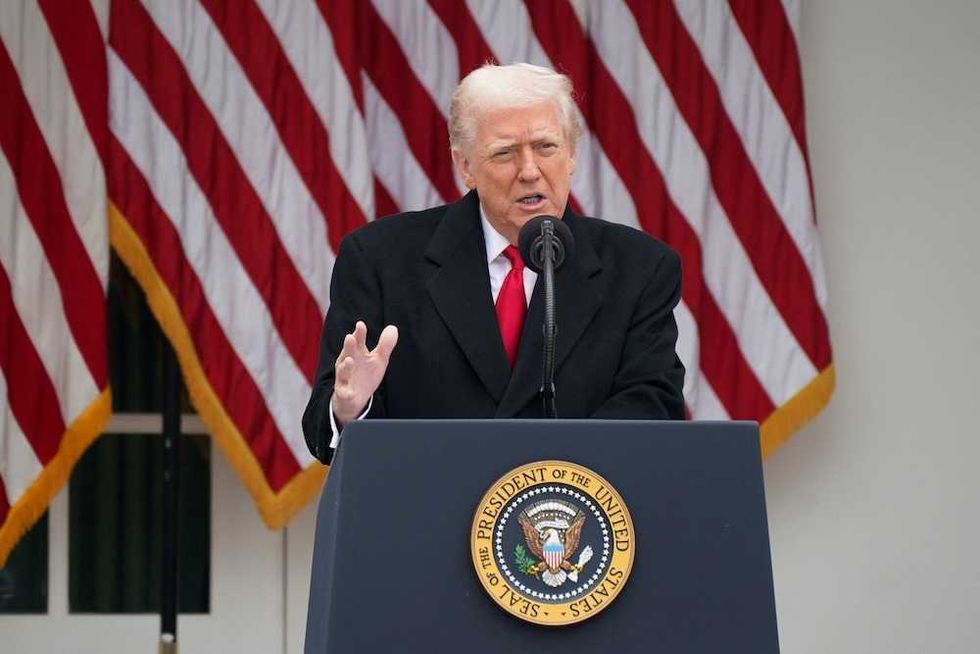
“His presence alongside President Trump at today’s GENIUS Act signing underscores the significance of this moment – not just for policy, but for the broader digital asset industry,” De Bode said.

Bitpanda Deputy CEO Lukas Enzersdorfer-Konrad said that regulatory movement in Washington is shaping investor sentiment.

“This breakthrough is fuelling broad market optimism in BTC, as we’ve seen from the recent all-time high, and now for altcoins,” he said. He emphasized the renewed interest in altcoins like XRP and DOGE and said, “broad rallies need confidence.”

Tae Oh, CEO of Gluwa, focused on the stablecoin provision in the GENIUS Act. “By establishing the first federal framework for USD-pegged stablecoins, this development signals a strong commitment to responsible innovation, consumer protection, and long-term industry growth,” he said.

He added that the bill supports future adoption in “payments, DeFi, and financial infrastructure.”

Oh also pointed to the Crypto Market Structure Bill and the upcoming Fed meeting. “Even the slightest hints of a pivot in policy could significantly impact risk assets,” he said.

Evolving Regulatory Environment in Crypto Space

Some industry analysts view the GENIUS Act’s passage as part of a larger trend toward regulatory convergence across major economies.

The European Union’s Markets in Crypto-Assets Regulation (MiCA) and similar efforts in Asia suggest that lawmakers globally are seeking to align digital asset oversight with existing financial systems, reducing regulatory arbitrage and improving cross-border compatibility.

At the same time, the regulation exposes a divide between countries that treat crypto primarily through securities law enforcement and those that treat it through financial infrastructure reform. The ability of jurisdictions to define clear supervisory roles across banking, securities, and commodities may determine how effectively they integrate blockchain-based systems into their economies.

Frequently Asked Questions (FAQs)

How might U.S. regulation impact crypto jurisdictions in Asia?

Asia-based regulatory authorities may adjust licensing structures and enforcement thresholds based on how U.S. policy evolves, particularly if they seek access to U.S. liquidity or wish to comply with international financial standards.

What are the risks of regulatory fragmentation despite growing alignment?

Conflicting definitions of digital assets and inconsistent supervision of stablecoins or DeFi protocols may lead to market segmentation, making it harder for cross-border services to operate under unified legal assumptions.

How are traditional financial institutions responding to the GENIUS Act?

Many banks and asset managers are reportedly monitoring developments for potential entry points, especially in areas such as tokenized treasuries and compliant stablecoin issuance, which may now fall under clearer federal rules.

Market Opportunity
OFFICIAL TRUMP Logo
OFFICIAL TRUMP Price(TRUMP)
$4.11
$4.11$4.11
-0.77%
USD
OFFICIAL TRUMP (TRUMP) Live Price Chart
Disclaimer: The articles reposted on this site are sourced from public platforms and are provided for informational purposes only. They do not necessarily reflect the views of MEXC. All rights remain with the original authors. If you believe any content infringes on third-party rights, please contact [email protected] for removal. MEXC makes no guarantees regarding the accuracy, completeness, or timeliness of the content and is not responsible for any actions taken based on the information provided. The content does not constitute financial, legal, or other professional advice, nor should it be considered a recommendation or endorsement by MEXC.

You May Also Like

Trump swears he'll donate winnings in $10 billion lawsuit against his own IRS

Trump swears he'll donate winnings in $10 billion lawsuit against his own IRS

President Donald Trump told NBC News' Tom Llamas in an interview released on Wednesday that he has no interest in actually keeping any money he wins from his lawsuit
Share
Rawstory2026/02/05 10:43
US President Donald Trump says Warsh would’ve lost Fed if he pledged rate hike

US President Donald Trump says Warsh would’ve lost Fed if he pledged rate hike

The post US President Donald Trump says Warsh would’ve lost Fed if he pledged rate hike appeared on BitcoinEthereumNews.com. US President Donald Trump said that
Share
BitcoinEthereumNews2026/02/05 10:23
Health Insurers To Cover Covid Vaccines Despite RFK, Jr. Moves

Health Insurers To Cover Covid Vaccines Despite RFK, Jr. Moves

The post Health Insurers To Cover Covid Vaccines Despite RFK, Jr. Moves appeared on BitcoinEthereumNews.com. The nation’s biggest health insurance companies will continue to cover vaccinations – including those against Covid-19 and seasonal flu – previously recommended by a federal advisory committee, America’s Health Insurance Plans said Wednesday, Sept. 17, 2025. In this photo is a free flu and Covid-19 vaccine shots available sign, CVS, Queens, New York. (Photo by: Lindsey Nicholson/Universal Images Group via Getty Images) UCG/Universal Images Group via Getty Images The nation’s biggest health insurance companies will continue to cover vaccinations – including those against Covid-19 and seasonal flu – previously recommended by a federal advisory committee. The announcement by America’s Health Insurance Plans (AHIP), which includes CVS Health’s Aetna, Humana, Cigna, Centene and an array of Blue Cross and Blue Shield plans as members, comes ahead of the first meeting of the reconstituted Advisory Committee on Immunization Practices, which now has new members chosen by U.S. Health and Human Services Secretary Robert F. Kennedy Jr., a vaccine critic. “Health plans are committed to maintaining and ensuring affordable access to vaccines,” AHIP said in a statement Wednesday. “Health plan coverage decisions for immunizations are grounded in each plan’s ongoing, rigorous review of scientific and clinical evidence, and continual evaluation of multiple sources of data.” The move by AHIP is good news for millions of Americans at a time of year when they flock to drugstores, pharmacies, physician’s offices and outpatient clinics to get their seasonal flu and Covid shots. Kennedy’s changes to U.S. vaccine policy have created confusion across the country over whether certain vaccines long covered by insurance would continue to be. AHIP has now provided some clarity for millions of Americans. “Health plans will continue to cover all ACIP-recommended immunizations that were recommended as of September 1, 2025, including updated formulations of the COVID-19 and influenza vaccines, with no cost-sharing…
Share
BitcoinEthereumNews2025/09/18 03:11