A cybersecurity researcher says he discovered a massive data leak that compromised the online credentials of millions of internet users.  Jeremiah Fowler says aA cybersecurity researcher says he discovered a massive data leak that compromised the online credentials of millions of internet users.  Jeremiah Fowler says a

149,000,000 Passwords Exposed Online As Hackers Hit Users of Google, Facebook, Instagram and Other Major Platforms: Report

3 min read

A cybersecurity researcher says he discovered a massive data leak that compromised the online credentials of millions of internet users. 

Jeremiah Fowler says a database containing more than 149 million unique logins and passwords totaling 96 GB of raw credential data have been exposed online.

In a report published by ExpressVPN, Fowler says he found scores of sensitive information in a small slice of the data.

“In a limited sampling of the exposed documents, I saw thousands of files that included emails, usernames, passwords, and the URL links to the login or authorization for the accounts. This is not the first dataset of this kind I have discovered and it only highlights the global threat posed by credential-stealing malware. When data is collected, stolen, or harvested it must be stored somewhere and a cloud based repository is usually the best solution.”

Fowler says the database was not password-protected or encrypted. It was also publicly accessible, and anyone who discovered it could access the credentials of the affected individuals.

“It is not known how long the database was exposed before I discovered and reported it or others may have gained access to it. One disturbing fact is that the number of records increased from the time I discovered the database until it was restricted and no longer available.”

According to Fowler, the exposed records belong to users of popular internet services, including Gmail, Yahoo, Outlook, iCloud, Facebook, Instagram, TikTok, Netflix, Binance and OnlyFans. He also discovered credentials with .edu and .gov domains.

“Exposed government credentials could be potentially used for targeted spear-phishing, impersonation, or as an entry point into government networks. This increases the potential of .gov credentials posing national security and public safety risks.”

Follow us on X, Facebook and Telegram
Don't Miss a Beat – Subscribe to get email alerts delivered directly to your inbox
Check Price Action
Surf The Daily Hodl Mix

 
Disclaimer: Opinions expressed at The Daily Hodl are not investment advice. Investors should do their due diligence before making any high-risk investments in Bitcoin, cryptocurrency or digital assets. Please be advised that your transfers and trades are at your own risk, and any losses you may incur are your responsibility. The Daily Hodl does not recommend the buying or selling of any cryptocurrencies or digital assets, nor is The Daily Hodl an investment advisor. Please note that The Daily Hodl participates in affiliate marketing.

Generated Image: Midjourney

The post 149,000,000 Passwords Exposed Online As Hackers Hit Users of Google, Facebook, Instagram and Other Major Platforms: Report appeared first on The Daily Hodl.

Disclaimer: The articles reposted on this site are sourced from public platforms and are provided for informational purposes only. They do not necessarily reflect the views of MEXC. All rights remain with the original authors. If you believe any content infringes on third-party rights, please contact [email protected] for removal. MEXC makes no guarantees regarding the accuracy, completeness, or timeliness of the content and is not responsible for any actions taken based on the information provided. The content does not constitute financial, legal, or other professional advice, nor should it be considered a recommendation or endorsement by MEXC.
Tags:

You May Also Like

Cashing In On University Patents Means Giving Up On Our Innovation Future
Cashing In On University Patents Means Giving Up On Our Innovation Future

The post Cashing In On University Patents Means Giving Up On Our Innovation Future appeared on BitcoinEthereumNews.com. “It’s a raid on American innovation that would deliver pennies to the Treasury while kneecapping the very engine of our economic and medical progress,” writes Pipes. Getty Images Washington is addicted to taxing success. Now, Commerce Secretary Howard Lutnick is floating a plan to skim half the patent earnings from inventions developed at universities with federal funding. It’s being sold as a way to shore up programs like Social Security. In reality, it’s a raid on American innovation that would deliver pennies to the Treasury while kneecapping the very engine of our economic and medical progress. Yes, taxpayer dollars support early-stage research. But the real payoff comes later—in the jobs created, cures discovered, and industries launched when universities and private industry turn those discoveries into real products. By comparison, the sums at stake in patent licensing are trivial. Universities collectively earn only about $3.6 billion annually in patent income—less than the federal government spends on Social Security in a single day. Even confiscating half would barely register against a $6 trillion federal budget. And yet the damage from such a policy would be anything but trivial. The true return on taxpayer investment isn’t in licensing checks sent to Washington, but in the downstream economic activity that federally supported research unleashes. Thanks to the bipartisan Bayh-Dole Act of 1980, universities and private industry have powerful incentives to translate early-stage discoveries into real-world products. Before Bayh-Dole, the government hoarded patents from federally funded research, and fewer than 5% were ever licensed. Once universities could own and license their own inventions, innovation exploded. The result has been one of the best returns on investment in government history. Since 1996, university research has added nearly $2 trillion to U.S. industrial output, supported 6.5 million jobs, and launched more than 19,000 startups. Those companies pay…
Share
BitcoinEthereumNews2025/09/18 03:26
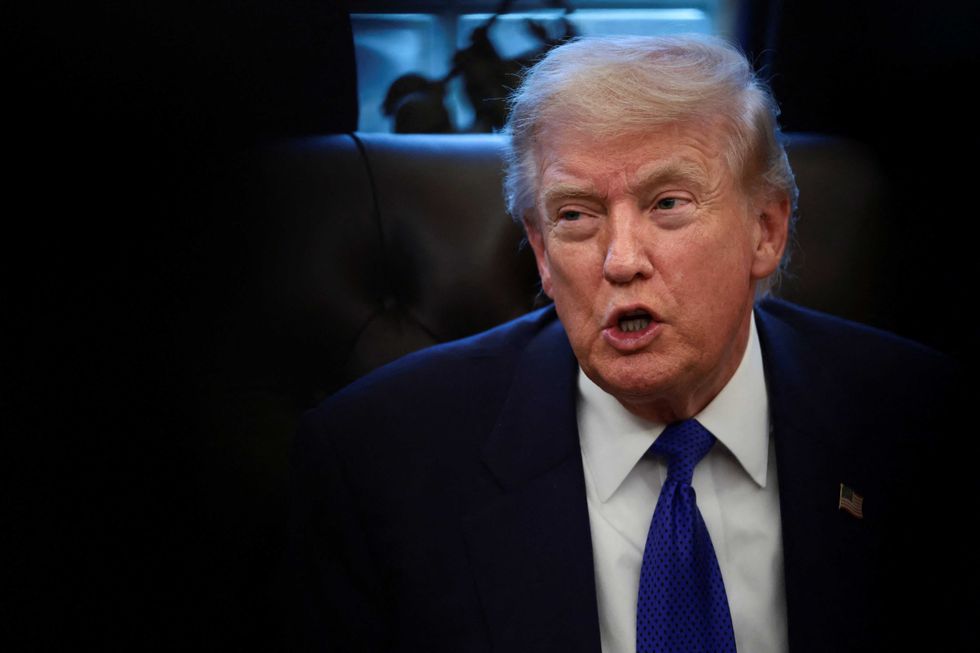
Trump foe devises plan to starve him of what he 'craves' most
Trump foe devises plan to starve him of what he 'craves' most

A longtime adversary of President Donald Trump has a plan for a key group to take away what Trump craves the most — attention. EX-CNN journalist Jim Acosta, who
Share
Rawstory2026/02/04 01:19
Why Bitcoin Is Struggling: 8 Factors Impacting Crypto Markets

Why Bitcoin Is Struggling: 8 Factors Impacting Crypto Markets

Failed blockchain adoption narratives and weak fee capture have undercut confidence in major crypto projects.
Share
CryptoPotato2026/02/04 01:05