Silver just pulled back to $100 after hitting a recent all-time high near $120, and the move has sparked a lot of noise. On the surface, it looks dramatic. FastSilver just pulled back to $100 after hitting a recent all-time high near $120, and the move has sparked a lot of noise. On the surface, it looks dramatic. Fast

Silver Price Back to $100: Paper Markets Crack as Physical Supply Tightens

2026/01/30 21:00
3 min read

Silver just pulled back to $100 after hitting a recent all-time high near $120, and the move has sparked a lot of noise. On the surface, it looks dramatic. Fast selling, heavy red candles, and a sharp flush lower always grab attention.

But this wasn’t a collapse in demand.

As analyst Honza Černý explained, what we just saw was a paper liquidation, not a breakdown in the physical silver market. The drop cleared out leverage and short-term positioning in Western markets, not real ownership.

The Pullback Was in Paper—Not in Physical Silver

The most important detail sits outside the usual Western charts.

While silver futures and CFDs were being dumped, physical silver in Shanghai kept trading roughly $25 per ounce above Western prices. That premium didn’t disappear after the dip from $120. It stayed wide.

If silver were suddenly abundant, that spread would close quickly. Metal would move. Prices would converge.

That didn’t happen.

Instead, paper prices fell while physical prices held firm. That kind of divergence doesn’t show weakness. It shows stress inside the pricing system.

Why the $120 to $100 Move Matters

Drops from all-time highs often look violent, especially when leverage is involved. When silver ran to $120, positioning became crowded. Stops stacked up. The market became fragile.

The move back to $100 forced that excess out.

CFDs, leverage, and short-term longs were wiped. That’s uncomfortable, but it’s also how overheated markets reset. Physical holders didn’t panic. Premiums didn’t collapse. Delivery markets stayed tight.

That’s a key distinction.

East vs West: The Same Metal, Two Prices

This move once again exposed how different the silver market looks depending on where you trade.

In the West, silver is mostly traded as a contract. It’s easy to sell, easy to liquidate, and heavily influenced by leverage.

In the East, silver is treated as metal. Delivery matters. Inventory matters. Availability matters.

That’s why Western prices can swing hard while physical markets stay steady. Paper can be forced to sell. Physical can’t.

Read also: This Analyst Makes a Shocking Silver Price Prediction

Silver Price Outlook After the Pullback

Silver sitting at $100 after a run to $120 resets the broader move.

Paper excess is gone. Physical demand is still there. The premium gap hasn’t closed. Those conditions tend to appear after peaks, not at the end of cycles.

This pullback wasn’t a sign that silver broke. It was a reminder of which market actually sets the floor.

And right now, that floor isn’t being defined by paper.

Subscribe to our YouTube channel for daily crypto updates, market insights, and expert analysis.

The post Silver Price Back to $100: Paper Markets Crack as Physical Supply Tightens appeared first on CaptainAltcoin.

Disclaimer: The articles reposted on this site are sourced from public platforms and are provided for informational purposes only. They do not necessarily reflect the views of MEXC. All rights remain with the original authors. If you believe any content infringes on third-party rights, please contact [email protected] for removal. MEXC makes no guarantees regarding the accuracy, completeness, or timeliness of the content and is not responsible for any actions taken based on the information provided. The content does not constitute financial, legal, or other professional advice, nor should it be considered a recommendation or endorsement by MEXC.

You May Also Like

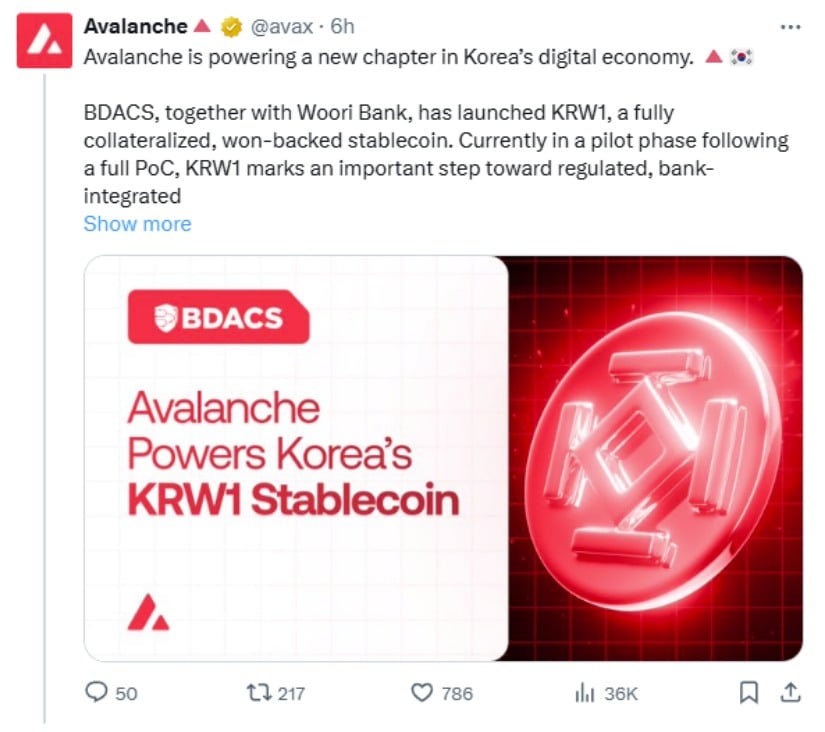
Hadron Labs Launches Bitcoin Summer on Neutron, Offering 5–10% BTC Yield
Hadron Labs Launches Bitcoin Summer on Neutron, Offering 5–10% BTC Yield

Hadron Labs launches 'Bitcoin Summer' on Neutron, BTC vaults for WBTC, eBTC, solvBTC, uniBTC and USDC. Earn 5–10% BTC via maxBTC, with up to 10x looping.
Share
Blockchainreporter2025/09/18 02:00
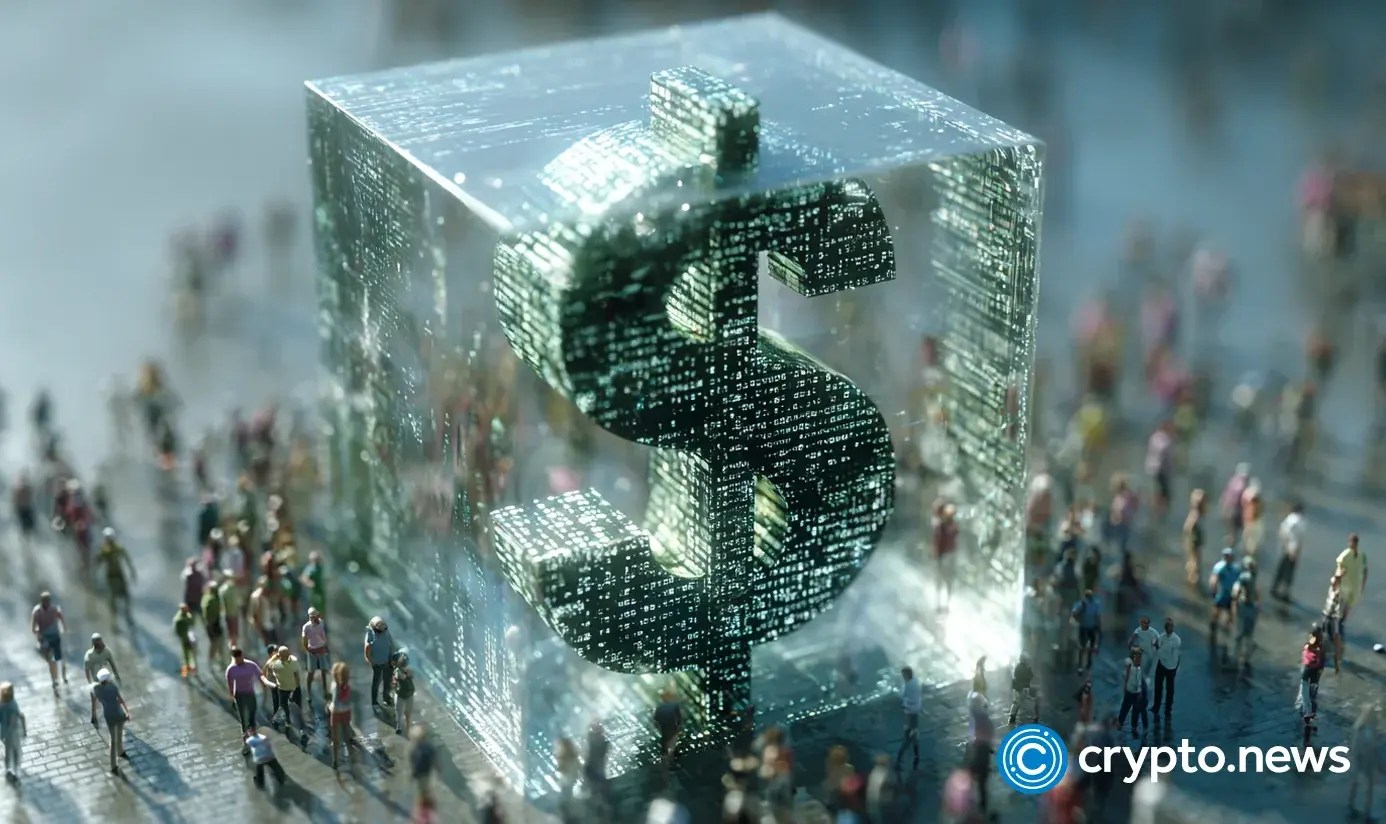
South Korea Launches First Won-Backed Stablecoin KRW1 on Avalanche
South Korea Launches First Won-Backed Stablecoin KRW1 on Avalanche

South Korea made history this week by launching its first Korean won-backed stablecoin.
Share
Brave Newcoin2025/09/19 03:15
Curve Finance votes on revenue-sharing model for CRV holders

Curve Finance votes on revenue-sharing model for CRV holders

The post Curve Finance votes on revenue-sharing model for CRV holders appeared on BitcoinEthereumNews.com. Curve Finance has proposed a new protocol called Yield Basis that would share revenue directly with CRV holders, marking a shift from one-off incentives to sustainable income. Summary Curve Finance has put forward a revenue-sharing protocol to give CRV holders sustainable income beyond emissions and fees. The plan would mint $60M in crvUSD to seed three Bitcoin liquidity pools (WBTC, cbBTC, tBTC), with 35–65% of revenue distributed to veCRV stakers. The DAO vote runs from up to Sept. 24, with the proposal seen as a major step to strengthen CRV tokenomics after past liquidity and governance challenges. Curve Finance founder Michael Egorov has introduced a proposal to give CRV token holders a more direct way to earn income, launching a system called Yield Basis that aims to turn the governance token into a sustainable, yield-bearing asset.  The proposal has been published on the Curve DAO (CRV) governance forum, with voting open until Sept. 24. A new model for CRV rewards Yield Basis is designed to distribute transparent and consistent returns to CRV holders who lock their tokens for veCRV governance rights. Unlike past incentive programs, which relied heavily on airdrops and emissions, the protocol channels income from Bitcoin-focused liquidity pools directly back to token holders. To start, Curve would mint $60 million worth of crvUSD, its over-collateralized stablecoin, with proceeds allocated across three pools — WBTC, cbBTC, and tBTC — each capped at $10 million. 25% of Yield Basis tokens would be reserved for the Curve ecosystem, and between 35% and 65% of Yield Basis’s revenue would be given to veCRV holders. By emphasizing Bitcoin (BTC) liquidity and offering yields without the short-term loss risks associated with automated market makers, the protocol hopes to draw in professional traders and institutions. Context and potential impact on Curve Finance The proposal comes as Curve continues to modify…
Share
BitcoinEthereumNews2025/09/18 14:37