The post Coinbase Insider Trading Lawsuit Clears Key Legal Hurdle appeared on BitcoinEthereumNews.com. A court permits a lawsuit against Coinbase executives to The post Coinbase Insider Trading Lawsuit Clears Key Legal Hurdle appeared on BitcoinEthereumNews.com. A court permits a lawsuit against Coinbase executives to

Coinbase Insider Trading Lawsuit Clears Key Legal Hurdle

3 min read
  • A court permits a lawsuit against Coinbase executives to proceed.
  • Plaintiffs claim insider sales of stocks based on non-public risks of regulation.
  • The lawsuit brings additional legal pressure on crypto corporate governance standards.

A US court has allowed an insider trading lawsuit against Coinbase executives, including CEO Brian Armstrong, to proceed. The plaintiffs claim that the company’s executives sold their shares while in possession of non-public information about the potential risks to the company’s stock price due to regulatory issues.

The case does not establish liability but indicates that the allegations have sufficient merit to proceed. This development is significant as it raises questions about the actions of company executives during times of market volatility, particularly as the regulatory environment continues to pose a challenge to the crypto market. This news breaks as the price volatility of Bitcoin rises and the regulatory environment becomes more stringent.

Core Allegations Explained

The shareholders of Coinbase allege that the company’s leaders sold their stocks before the company made public its increased regulatory risk and operational challenges. The shareholders believe that the leaders of the company were able to avoid losses while the public investors were not aware of the same information.

The case is about the time of disclosure. It is mandatory for publicly traded companies to make information available to investors. The intent of the executives and the effect of the information on market performance are factors that the courts consider.

Governance Pressure on Crypto Firms

The crypto industry has developed quickly, but governance in the industry is still held to traditional finance norms. Lawsuits such as this one are forcing digital asset companies to be more transparent. Institutional investors are increasingly requiring companies to have board-level governance, risk management, and reporting structures.

Legal cases are also influencing how companies treat executive trading policies. Companies have implemented blackout periods and reviewed trading internally to mitigate insider risk. High-profile cases are driving these changes in the industry.

Financial news organizations report that courts are now applying the same disclosure rules to crypto companies as they do to other publicly traded companies. This eliminates the idea that crypto companies are operating in a different environment.

Meanwhile, regulatory bodies are also working to provide further clarification on enforcement priorities. Legal rulings in cases such as this may have an impact on risk disclosure practices by exchanges, particularly in relation to regulatory inquiries.

What Happens Next

The lawsuit will proceed to the discovery phase, during which both parties will seek evidence. Communications and trading activity may be important factors. While settlement is possible, the lawsuit could drag on for years.

This lawsuit, regardless of its outcome, marks a turning point. Crypto companies must now operate under greater legal oversight, and investors demand greater governance. As the industry evolves, legal rigor will prove as important a factor as technology.

Highlighted Crypto News:

MegaETH Will Not Give MEGA Tokens as Listing Fees or Airdrops

Source: https://thenewscrypto.com/coinbase-insider-trading-lawsuit-clears-key-legal-hurdle/

Disclaimer: The articles reposted on this site are sourced from public platforms and are provided for informational purposes only. They do not necessarily reflect the views of MEXC. All rights remain with the original authors. If you believe any content infringes on third-party rights, please contact [email protected] for removal. MEXC makes no guarantees regarding the accuracy, completeness, or timeliness of the content and is not responsible for any actions taken based on the information provided. The content does not constitute financial, legal, or other professional advice, nor should it be considered a recommendation or endorsement by MEXC.

You May Also Like

Cashing In On University Patents Means Giving Up On Our Innovation Future

Cashing In On University Patents Means Giving Up On Our Innovation Future

The post Cashing In On University Patents Means Giving Up On Our Innovation Future appeared on BitcoinEthereumNews.com. “It’s a raid on American innovation that would deliver pennies to the Treasury while kneecapping the very engine of our economic and medical progress,” writes Pipes. Getty Images Washington is addicted to taxing success. Now, Commerce Secretary Howard Lutnick is floating a plan to skim half the patent earnings from inventions developed at universities with federal funding. It’s being sold as a way to shore up programs like Social Security. In reality, it’s a raid on American innovation that would deliver pennies to the Treasury while kneecapping the very engine of our economic and medical progress. Yes, taxpayer dollars support early-stage research. But the real payoff comes later—in the jobs created, cures discovered, and industries launched when universities and private industry turn those discoveries into real products. By comparison, the sums at stake in patent licensing are trivial. Universities collectively earn only about $3.6 billion annually in patent income—less than the federal government spends on Social Security in a single day. Even confiscating half would barely register against a $6 trillion federal budget. And yet the damage from such a policy would be anything but trivial. The true return on taxpayer investment isn’t in licensing checks sent to Washington, but in the downstream economic activity that federally supported research unleashes. Thanks to the bipartisan Bayh-Dole Act of 1980, universities and private industry have powerful incentives to translate early-stage discoveries into real-world products. Before Bayh-Dole, the government hoarded patents from federally funded research, and fewer than 5% were ever licensed. Once universities could own and license their own inventions, innovation exploded. The result has been one of the best returns on investment in government history. Since 1996, university research has added nearly $2 trillion to U.S. industrial output, supported 6.5 million jobs, and launched more than 19,000 startups. Those companies pay…
Share
BitcoinEthereumNews2025/09/18 03:26
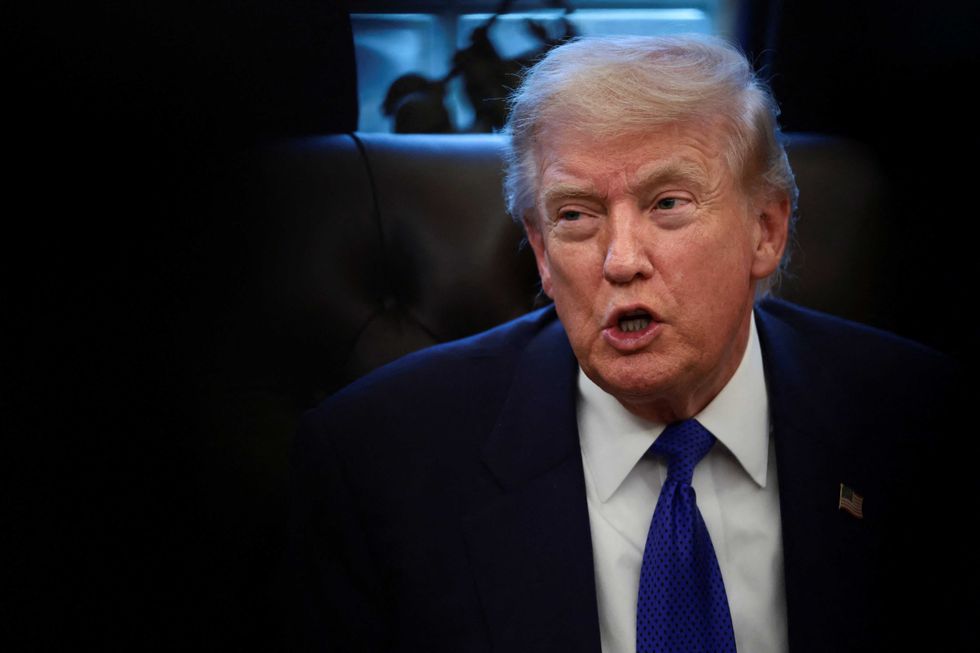
Trump foe devises plan to starve him of what he 'craves' most

Trump foe devises plan to starve him of what he 'craves' most

A longtime adversary of President Donald Trump has a plan for a key group to take away what Trump craves the most — attention. EX-CNN journalist Jim Acosta, who
Share
Rawstory2026/02/04 01:19
Why Bitcoin Is Struggling: 8 Factors Impacting Crypto Markets

Why Bitcoin Is Struggling: 8 Factors Impacting Crypto Markets

Failed blockchain adoption narratives and weak fee capture have undercut confidence in major crypto projects.
Share
CryptoPotato2026/02/04 01:05