

Chainlink starts the value capture flywheel, or becomes the hidden winner of the on-chain economy?
Original article: Miles Deutscher , Crypto KOL
Compiled by Yuliya, PANews
As RWA tokenization and institutional adoption become the core narratives of this bull market, Chainlink, as a critical infrastructure connecting traditional finance with the digital world, is poised to become the biggest winner. Miles Deutscher noted that Chainlink is more than just a project; its value capture mechanism creates a powerful "flywheel effect"—increasing network usage directly translates into continued buying pressure and value accumulation for the $LINK token.
Notably, Chainlink's recently launched "$LINK Reserve" mechanism has allowed the market to witness the true power of a "flywheel effect." This mechanism automatically converts and accumulates revenue from enterprise partnerships and on-chain services into $LINK tokens, directly tying the network's fundamental growth to the token's value. Since the announcement, the $LINK token price has risen nearly 50%. The following is the original article, which has been translated by PANews.

$LINK is perhaps one of the most obvious large-cap investment opportunities of this cycle, but one that most people are likely missing out on. It is the biggest winner from the institutionalization of cryptocurrencies and the explosive growth of stablecoins, tokenization, and RWAs (real-world assets).
This bull run is highly consistent with Chainlink’s narrative, and the main reasons behind this include:
Alignment with macro trends
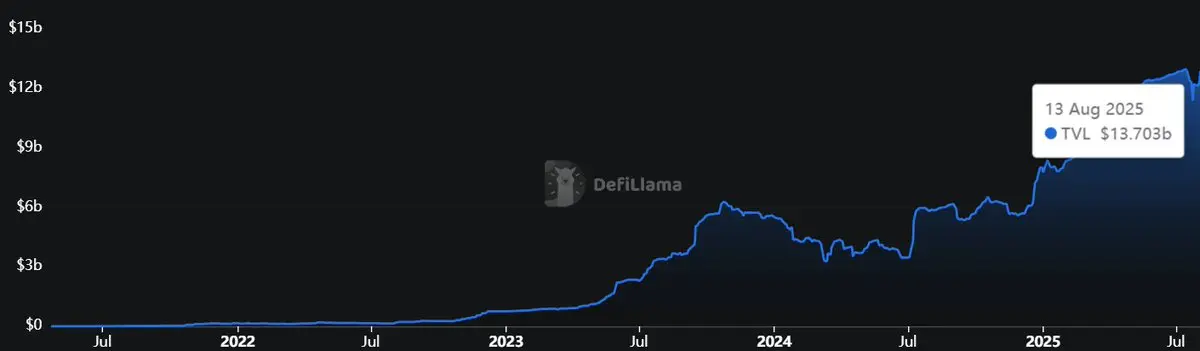
The total locked value of RWA has increased 13 times in the past two years, from about US$1 billion to more than US$13 billion, making it one of the fastest growing sectors in the crypto field.
Institutions have recognized the slowness and inefficiency of the traditional SWIFT system and are unwilling to face the pain points of fragmented fulfillment. Instead, they want to use a complete end-to-end platform. This is why Wall Street giants like BlackRock are actively promoting asset tokenization, and why companies like Stripe (launching Tempo Chain) and Circle (launching ARC Chain) are building their own blockchains.
In a fragmented, multi-chain landscape, a universal translator is needed to achieve interoperability, and Chainlink provides this solution. Any tokenized stock, bond, or real estate requires an oracle to bring its value onto the chain. $LINK is the market leader, holding an 84% oracle market share on Ethereum alone, making it the core infrastructure for this trillion-dollar transformation.
It's difficult to predict which L1 public chain will emerge victorious, especially with so many enterprise chains entering the market. Nor is it certain which RWA applications will emerge victorious. However, one thing is certain: Chainlink is powering all of this, becoming the quintessential "gold rush, shovel-selling" investment.
XRP has long been widely believed to be the poster child for institutional adoption, but in many ways, LINK is even more established in this space than XRP, and its upside potential is more attractive given its valuation.
Data comparison
- XRPL DeFi TVL is approximately $85 million
- Chainlink’s Total Value Secured (TVS) is approximately $84.65 billion.

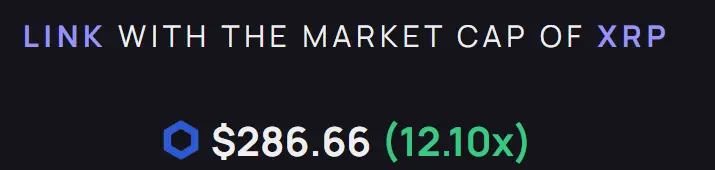
Chainlink has over 1,000 times more capital locked on-chain than XRPL, and its market share in the entire DeFi space continues to increase, currently reaching 68%. Despite this, XRP's market capitalization is still approximately 12.1 times that of LINK, making LINK's value more attractive at its current price range.
It’s worth noting that, in addition to Bitcoin and Ethereum, Chainlink is also far ahead of any other protocol in terms of adoption in the traditional finance (TradFi) sector and has been integrated by several TradFi giants, including:
- SWIFT
- DTCC (Depository Trust & Clearing Corporation)
- Euroclear
- JPMorgan
- Mastercard
Token Economics: Building a Value Flywheel
The value flow of the Chainlink network is mainly achieved through the following methods, and its revenue comes from two sources:
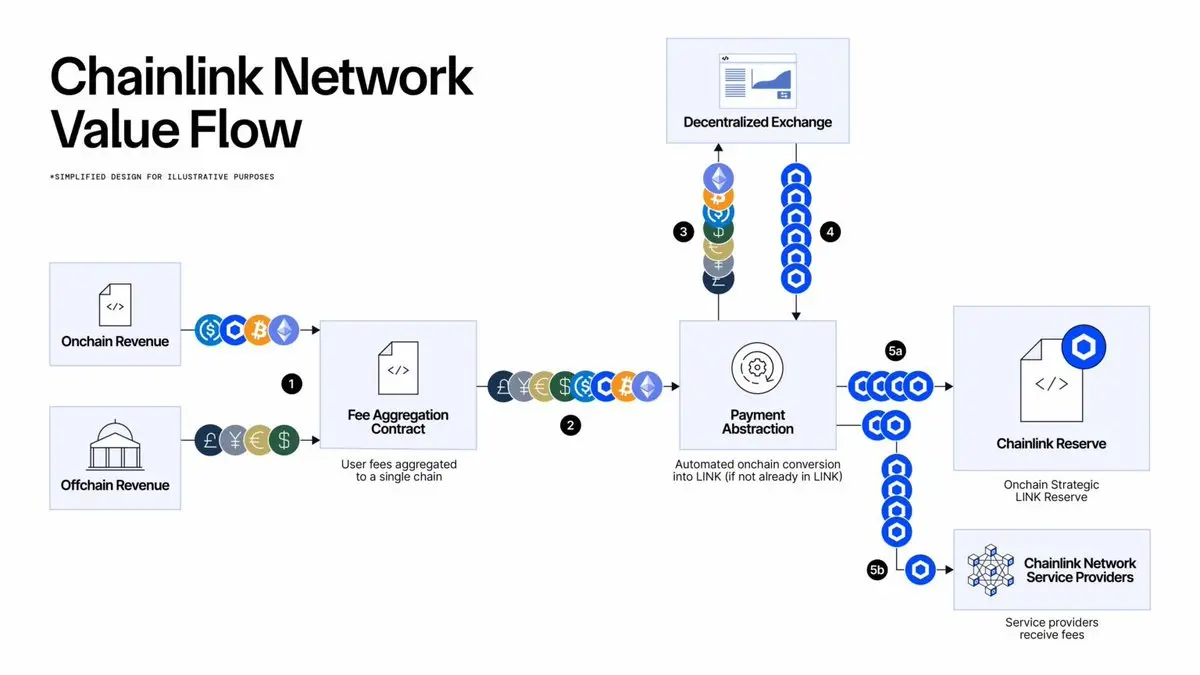
1. On-chain fees: When its services are used on different blockchain networks, on-chain fees are generated. These fees are used to fund network operations and repurchase $LINK tokens.
2. Enterprise Partnerships: Strike deals with major companies and institutions like SWIFT or JPMorgan Chase, who pay to integrate Chainlink’s solutions. Part of the funds go into the Chainlink reserve to support its long-term development.
Currently, the protocol automatically converts all revenue (including $ETH or $USDC fees from private chains) into $LINK and deposits it into the strategic treasury.
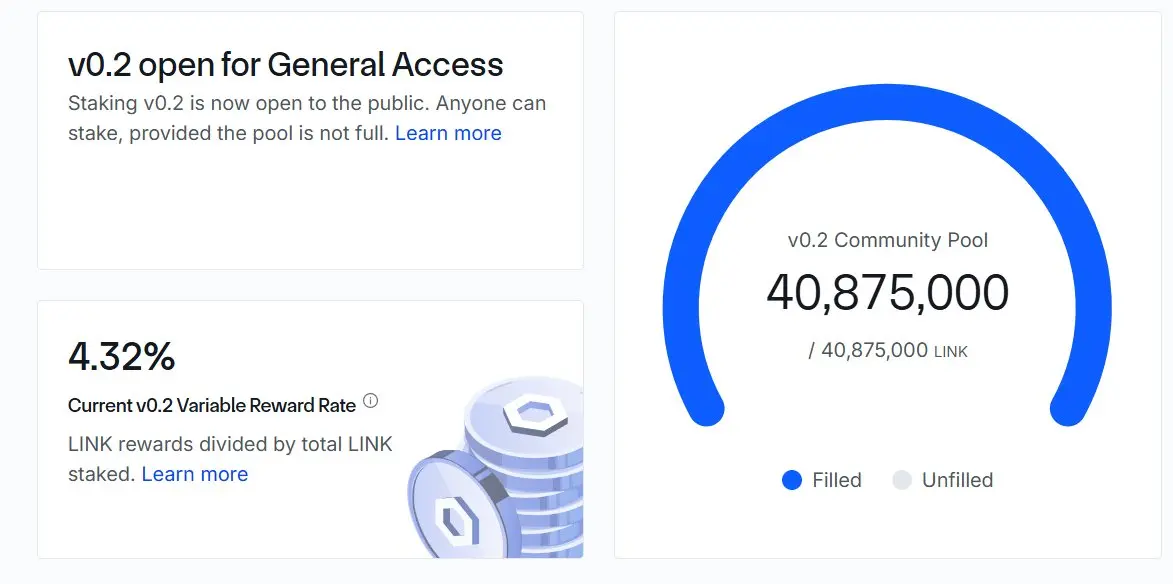
Furthermore, the staking mechanism is crucial. Users lock up $LINK to secure the network and earn a sustainable annualized return of approximately 4.32%. This creates a continuous supply tightening mechanism, removing tokens from the open market.
This creates a permanent, automated buyback mechanism that converts network adoption directly into buying pressure, forming a powerful flywheel of value:
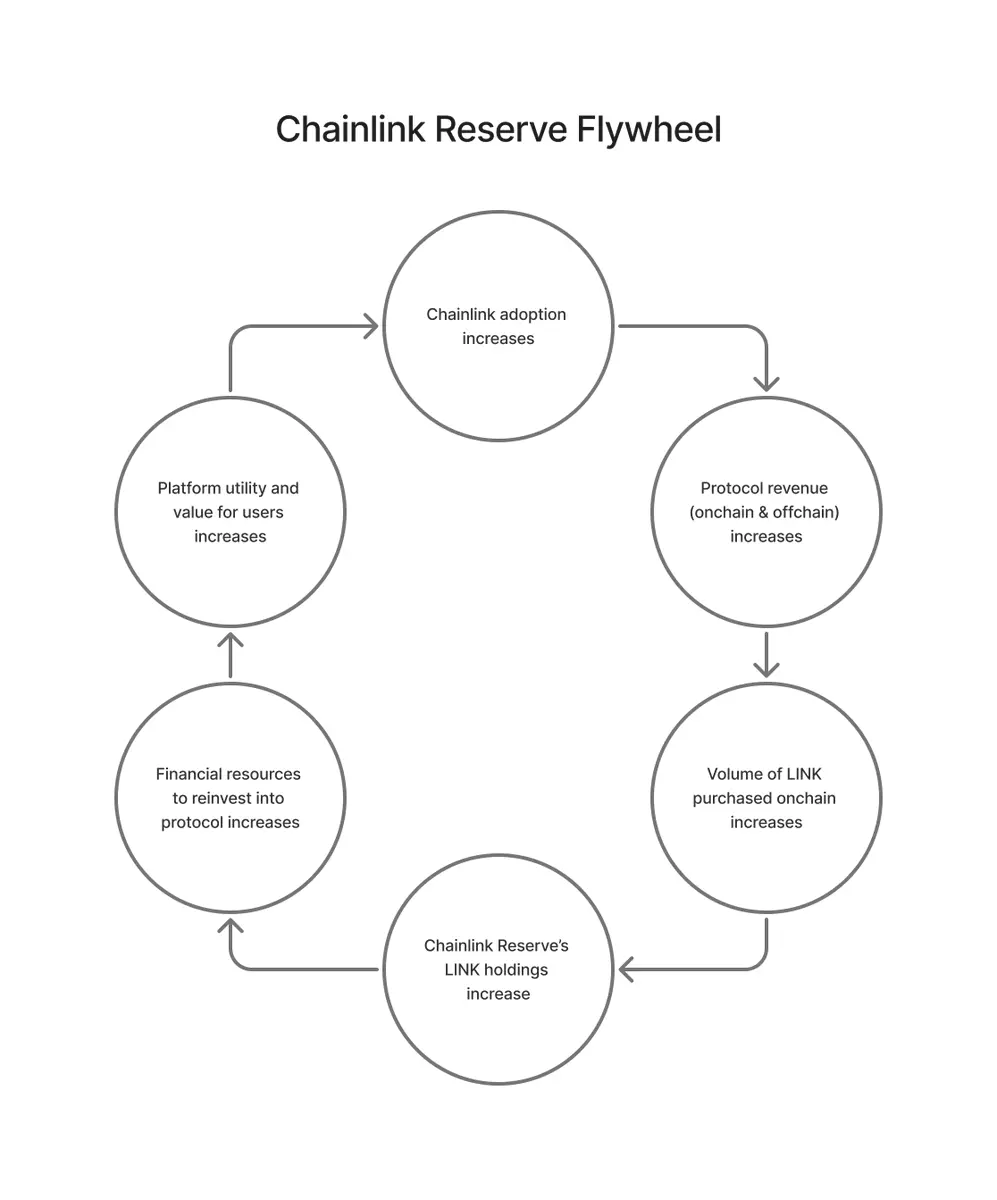
Increased adoption → Higher revenue → More $LINK purchased and locked → Increased network security and resources → Increased utility
Technical Analysis and Summary
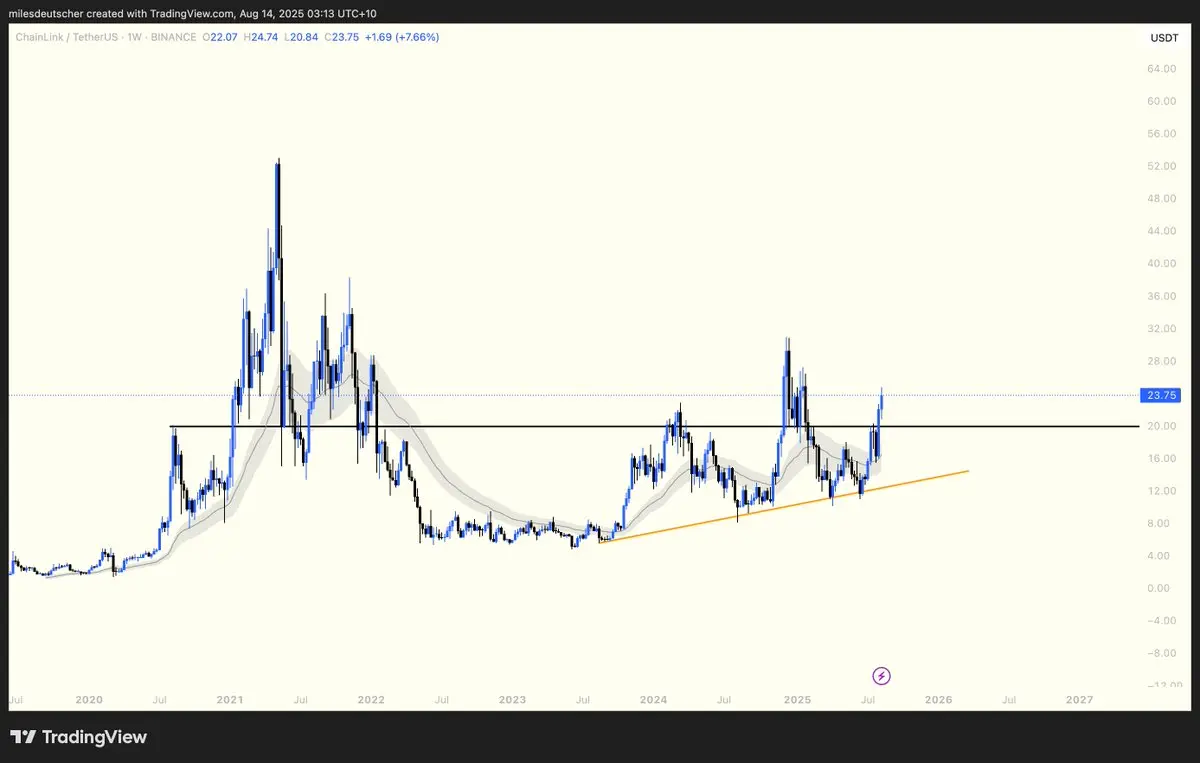
Looking at the technical chart, $LINK has broken through the weekly resistance zone of $20. This price has been an important long-short conversion point for many years, and its importance is basically equivalent to the $4,000 level of ETH.
In summary, Chainlink's value can be understood this way: if AWS, Azure, and GCP (the three major cloud computing providers) were spun off from their parent companies, their value would reach trillions of dollars. Chainlink, on the other hand, is the foundational B2B infrastructure for the entire on-chain economy.
You May Also Like

Galaxy Digital’s 2025 Loss: SOL Bear Market

Why This New Trending Meme Coin Is Being Dubbed The New PEPE After Record Presale
