

Critical Alert: 82nd Airborne Division Training Cancellation Sparks Iran Deployment Speculation
BitcoinWorld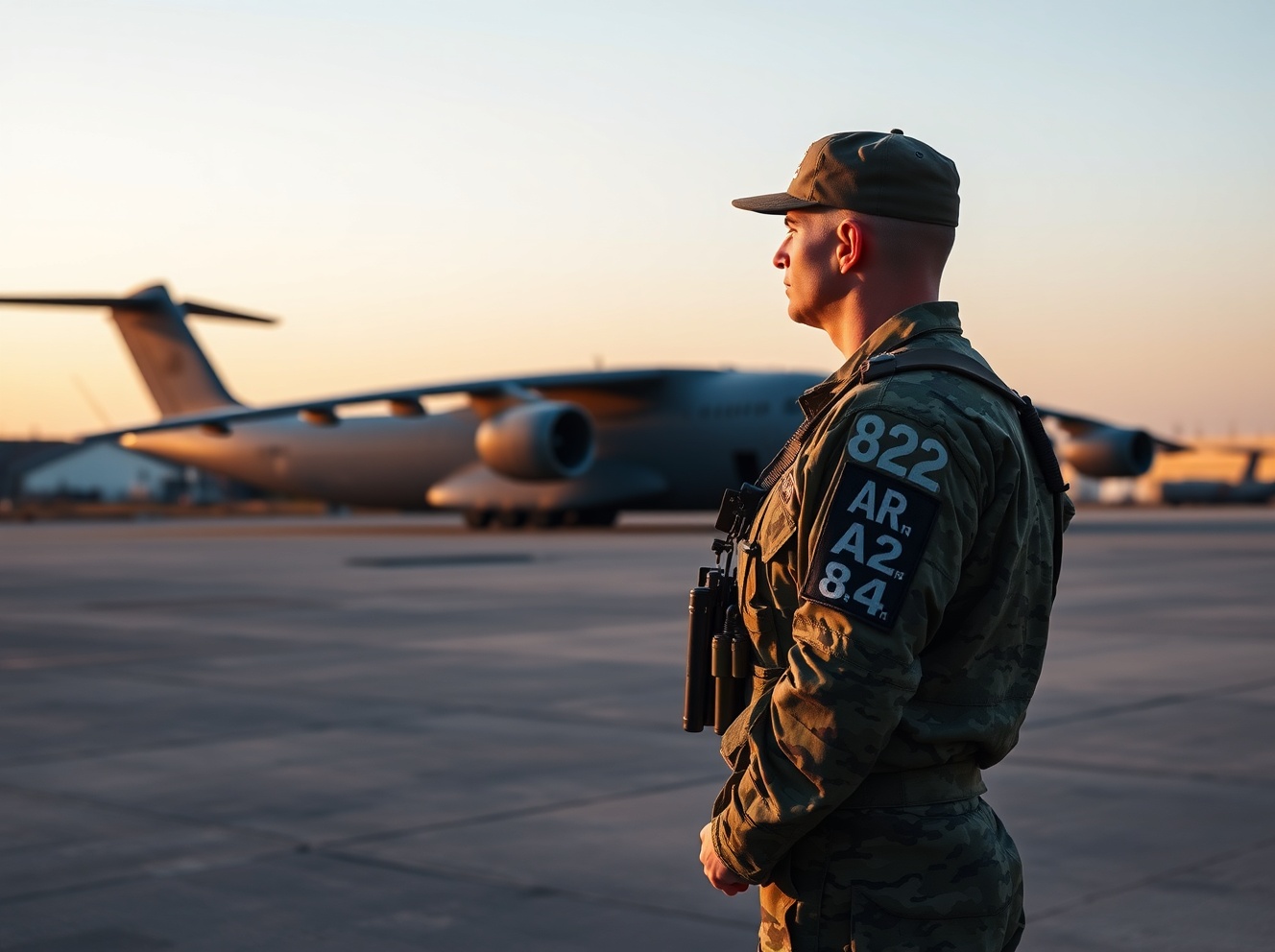
Critical Alert: 82nd Airborne Division Training Cancellation Sparks Iran Deployment Speculation
FORT BRAGG, NORTH CAROLINA – The U.S. Army has abruptly canceled a major training exercise for its elite 82nd Airborne Division headquarters unit, immediately fueling intense speculation about potential deployment preparations for a ground conflict with Iran. This sudden cancellation, first reported by the Washington Post, represents a significant development in ongoing Middle East tensions. Military analysts now closely monitor the situation, recognizing the division’s historical role as America’s primary rapid response force for global crises.
82nd Airborne Division Training Cancellation Details
The Army officially canceled the large-scale training exercise scheduled for the 82nd Airborne Division’s headquarters element last week. This elite unit, based at Fort Bragg, North Carolina, maintains constant readiness for worldwide deployment. The division’s headquarters coordinates complex airborne operations involving thousands of personnel. Consequently, training cancellations of this magnitude rarely occur without substantial justification.
Military protocol typically requires the 82nd Airborne to maintain one brigade combat team on permanent alert status. This unit can deploy anywhere globally within 18 hours of notification. The recent cancellation affects the command and control elements essential for coordinating such deployments. Pentagon officials have declined to comment specifically about the training cancellation or potential deployment orders.
Historical Context of 82nd Airborne Deployments
The 82nd Airborne Division possesses a storied history of rapid deployment during international crises. During the 1990 Gulf War, the division deployed to Saudi Arabia within days. Similarly, following the September 11 attacks, elements deployed to Afghanistan within weeks. The division also played crucial roles in operations in Panama, Haiti, and the Balkans. This historical precedent makes any unusual activity within the division particularly noteworthy for geopolitical analysts.
Rapid Deployment Capabilities Analysis
The 82nd Airborne maintains unique capabilities among U.S. military forces. Its soldiers train extensively for forced entry operations, securing airfields, and establishing initial footholds in hostile territory. The division’s equipment includes:
- Light infantry weapons and vehicles optimized for air transport
- Advanced communications systems for early entry operations
- Specialized parachute equipment for mass tactical jumps
- Integrated air support coordination capabilities
These capabilities make the division particularly suited for potential operations against Iran. The country’s geography presents challenges for traditional armored forces but opportunities for airborne insertion at key locations.
Iran Conflict Background and Current Tensions
U.S.-Iran relations have remained strained for decades, with several recent incidents escalating tensions. The Trump administration previously designated Iran’s Islamic Revolutionary Guard Corps as a terrorist organization. Additionally, the U.S. withdrawal from the Iran nuclear deal in 2018 increased diplomatic friction. Recent months have seen multiple incidents in the Persian Gulf involving Iranian forces and commercial shipping.
President Donald Trump has reportedly shown interest in military options regarding Iran on multiple occasions. Former administration officials have described detailed discussions about potential responses to Iranian provocations. The current training cancellation occurs against this backdrop of ongoing diplomatic and military posturing between the two nations.
Military Considerations for Potential Iran Operations
Any potential deployment to Iran would present substantial military challenges. Iran’s military forces number approximately 610,000 active personnel with another 350,000 in reserve. The country’s terrain varies from mountainous regions to desert areas, complicating military operations. Key considerations include:
| Factor | Consideration | Impact on Operations |
|---|---|---|
| Geography | Mountainous terrain covering 50% of country | Limits mechanized movement, favors light infantry |
| Force Size | Large conventional and irregular forces | Requires substantial commitment for decisive results |
| Regional Allies | Iran supports proxies throughout Middle East | Potential for multi-front conflict escalation |
| Strategic Depth | Large territory with dispersed facilities | Complicates targeting and occupation plans |
Department of Defense Response and Official Statements
The Department of Defense has maintained its standard position regarding operational matters. Spokespersons consistently decline to discuss potential future deployments or specific training adjustments. This policy aims to maintain operational security while avoiding unnecessary escalation of diplomatic tensions. However, the unusual nature of canceling a major headquarters exercise has drawn attention from multiple defense analysts and media outlets.
Military experts note that training cancellations sometimes precede actual deployments. The 82nd Airborne Division requires significant preparation time before overseas deployment. This includes medical screenings, equipment checks, and family readiness procedures. Observers monitor Fort Bragg for increased activity, including transportation movements and supply preparations.
Analyst Perspectives on Deployment Probability
Defense analysts offer varying assessments of the situation. Some experts believe the training cancellation represents routine scheduling adjustments. Others see potential signaling to Iran about U.S. military readiness and resolve. A smaller group suggests actual deployment preparations might be underway, though no concrete evidence supports this theory currently.
Historical patterns show that the 82nd Airborne Division typically receives deployment orders during genuine international crises. The division deployed rapidly during the 1965 Dominican Republic crisis and the 1983 invasion of Grenada. More recently, elements deployed to Iraq and Afghanistan multiple times following initial invasions. This historical pattern makes current developments particularly significant for regional observers.
Geopolitical Implications and Regional Impact
The Middle East remains a complex geopolitical environment with multiple competing interests. Regional powers including Saudi Arabia, Israel, and Turkey monitor U.S. military movements closely. Any substantial U.S. deployment to the region would likely prompt responses from these nations and others. Additionally, Russia and China maintain interests in Middle Eastern stability and energy resources.
Iran’s government has not issued official statements regarding the training cancellation reports. However, Iranian media frequently reports on U.S. military activities in the region. The country’s armed forces conduct regular exercises demonstrating their defensive capabilities. Iranian officials consistently state their readiness to respond to any military aggression.
Conclusion
The cancellation of 82nd Airborne Division training exercises represents a significant development in U.S. military readiness posture. While no deployment orders have been confirmed, the division’s historical role as America’s rapid response force makes this situation noteworthy. The Department of Defense maintains standard operational security protocols regarding potential deployments. Regional tensions with Iran continue to influence U.S. military planning and preparedness. Observers will monitor developments closely for indications of actual mobilization or continued diplomatic resolution efforts.
FAQs
Q1: What exactly was canceled in the 82nd Airborne Division training?
The U.S. Army canceled a large-scale training exercise for the division’s headquarters unit at Fort Bragg, North Carolina. This headquarters element coordinates operations for the entire division during deployments.
Q2: Has the 82nd Airborne Division deployed to the Middle East before?
Yes, the division has deployed to the Middle East multiple times, including during Operations Desert Shield and Desert Storm in 1990-1991, and more recently to Iraq and Afghanistan as part of ongoing operations.
Q3: How quickly can the 82nd Airborne Division deploy overseas?
The division maintains one brigade combat team on permanent alert status, capable of deploying anywhere in the world within 18 hours of receiving orders. The entire division requires additional time for full deployment.
Q4: What makes the 82nd Airborne Division particularly suited for potential Iran operations?
The division specializes in forced entry operations and securing initial footholds in hostile territory. Its light infantry configuration and airborne capabilities make it suitable for operations in Iran’s varied terrain where heavy armor faces limitations.
Q5: Has the U.S. government confirmed any deployment plans to Iran?
No official confirmation of deployment plans has been provided. The Department of Defense maintains standard policy of not discussing potential future operations for security reasons.
This post Critical Alert: 82nd Airborne Division Training Cancellation Sparks Iran Deployment Speculation first appeared on BitcoinWorld.
You May Also Like

Analyst Ignores Bitcoin (BTC) Price Crash Narratives, Points to Hidden Bull Signals That May Matter More

UK and US Seal $42 Billion Tech Pact Driving AI and Energy Future
