SEC promises crypto clarity, but will it last?
A version of this article appeared in our The Roundup newsletter on March 20. Sign up here.
Hi. Eric here.
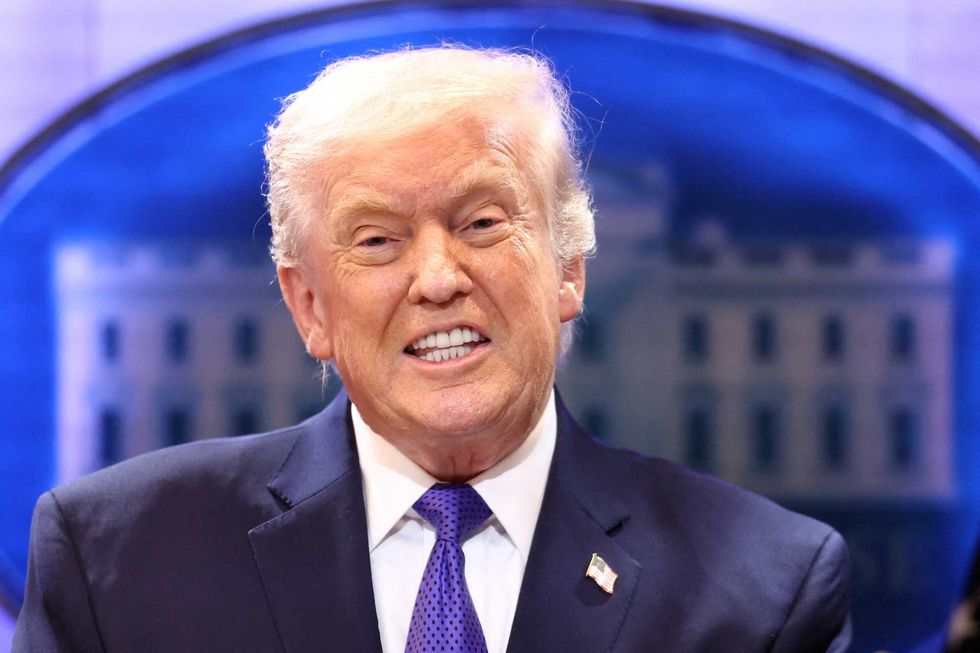
On Tuesday, Paul Atkins gave the crypto industry a late Christmas gift.
The Securities and Exchange Commission chair issued a landmark interpretation of federal securities laws, providing long-sought clarity on which blockchain-based assets count as securities and which ones don’t.
“The SEC’s persistent failure to provide clarity in this question is over,” Atkins, a longtime crypto supporter, said in a speech at the DC Blockchain Summit.
Vitally, the new taxonomy considers Bitcoin, Ether, Solana and XRP to be digital commodities and not securities.
It’s a huge win for the crypto lobby. For years, the industry has argued that cryptocurrencies aren’t securities, but novel instruments and thus shouldn’t be subjected to the agency’s arduous policing.
Former SEC Chair Gary Gensler spent the bulk of his tenure disagreeing with that notion. Yet, with him stepping down from the role before US President Donald Trump could keep his promise to defenestrate Gensler, the SEC was primed to see things the industry’s way.
Since taking office, Atkins has steered the agency away from the crypto crackdown creeds of the Gensler era.
On the face of it, the industry just got everything it wanted. However, the question is for how long it can keep it.
Just like Atkins has pushed the regulator away from Gensler’s hardline stance, a new SEC chair could overturn the new crypto taxonomy. Atkins’ term as SEC commissioner ends in 2031.
Atkins acknowledged that the only way to future-proof his taxonomy is to write it into law.
“Only Congress can ensure that regulation in this area is future-proofed through comprehensive market structure legislation,” Atkins said.
Here’s the rub — it is unclear whether lawmakers will be able to get law approved before the crucial midterm elections in November.
The Democrats, who are often seen as more crypto-sceptic than their Republican counterparts, are likely to retake Congress, according to most polls. If that happens, legislative work on Capitol Hill will grind to a halt.
That gridlock is unlikely to end before the 2028 presidential election. It’s uncertain that whoever replaces Trump will follow Atkins’ lead on crypto.
Polymarket punters only give the Clarity Act a 63% chance of being signed into law in 2026.
And if lawmakers manage to break their standstill over the Clarity Act, the landmark crypto bill that’s been locked in legislative limbo for months, there are no guarantees that their compromise will align with the new SEC guidelines.
Even so, crypto lobbyists told Aleks Gilbert this week that they aren’t worried. Cody Carbone, head of crypto advocacy group the Digital Chamber, said that the signals he’s been getting from congressional leaders are that they are very aligned with the SEC.
“I don’t see any opportunity for Democrats to say, ‘Oh, we didn’t agree with what the SEC did,” Carbone said.
And on Capitol Hill, senators are busy discussing how to get the Clarity Act over the finishing line.
“We’ve come too far to go back to regulatory uncertainty,” Cynthia Lummis, senator from Wyoming and crypto champion, said on Friday. “Digital assets are the future and it’s time America gives them the environment they need to thrive.”
Bungled $50m Aave trade highly unlikely to be money laundering, experts say
When a crypto trader accidentally swapped $50 million for $37,000 last week using a decentralised finance app, onlookers were flabbergasted by the mistake. Some worried it may’ve been a case of money laundering. But, as experts told Tim Craig, that’s not the case. Probably.
Thugs slashed crypto worker’s mother with box cutter, demanded $9m to stop
Police are coming down hard on a wave of violent attacks against crypto investors and their families, as Tim Alper reports.
Fed zaps Bitcoin investors’ risk appetite. Here’s what to expect next for the price
The Federal Reserve’s hawkish tone zapped investors’ appetite for risky assets like Bitcoin. Here’s what markets watchers expect will happen next. Check out Lance Datskoluo’s report.
Post of the Week
Polymarket announced the opening of a new bar. Crypto Twitter remained unimpressed.
You May Also Like

Shocking OpenVPP Partnership Claim Draws Urgent Scrutiny

White House ballroom architect speaks out against Trump immigration policies