

USD/PHP Exchange Rate: Emergency Powers Crush Philippine Peso Value – Commerzbank Analysis
BitcoinWorld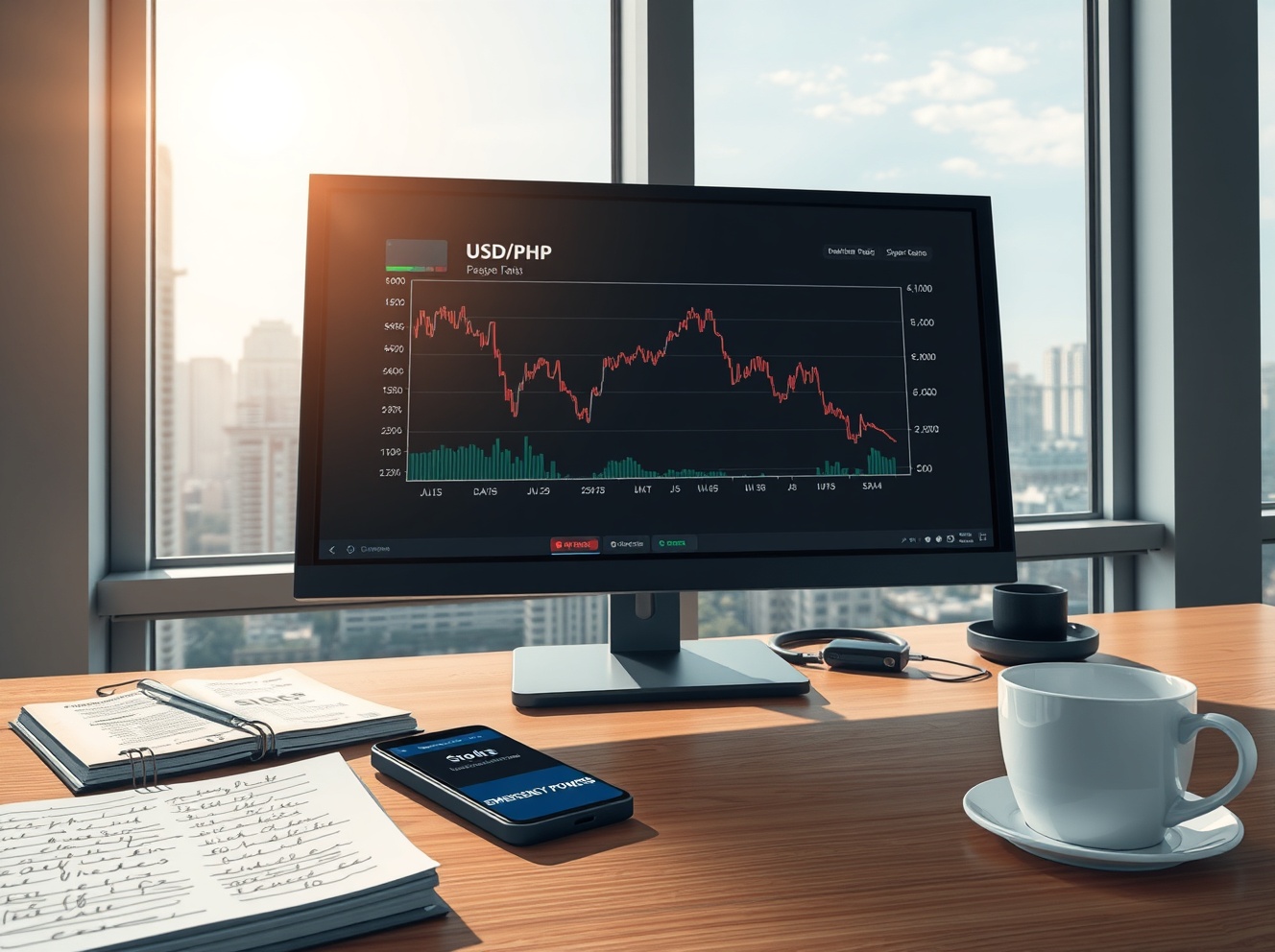
USD/PHP Exchange Rate: Emergency Powers Crush Philippine Peso Value – Commerzbank Analysis
MANILA, Philippines – The Philippine Peso faces mounting pressure against the US Dollar as emergency powers legislation creates uncertainty in financial markets, according to recent analysis from Commerzbank. The USD/PHP exchange rate reflects growing investor concerns about economic stability and policy direction. Currency traders closely monitor developments that could significantly impact regional trade and investment flows.
USD/PHP Exchange Rate Reacts to Political Developments
Financial markets demonstrate immediate sensitivity to political announcements. The Philippine Peso weakened substantially following emergency powers discussions. Commerzbank analysts note this currency movement reflects typical market behavior during periods of political uncertainty. Historically, emerging market currencies often experience volatility when governments consider expanded executive authority.
Emergency powers legislation typically involves special economic measures. These measures can include price controls, import restrictions, or capital flow management. Consequently, foreign investors frequently reassess their Philippine market exposure. The USD/PHP pair serves as a crucial indicator of international confidence in Philippine economic management.
Commerzbank’s Currency Analysis Framework
Commerzbank employs a comprehensive methodology for currency assessment. Their analysts examine multiple factors influencing exchange rates. These factors include monetary policy, fiscal measures, political stability, and external balances. The German financial institution maintains a significant presence in Asian currency markets. Their research provides valuable insights for institutional investors and corporate treasurers.
Historical Context of Philippine Currency Movements
The Philippine Peso has experienced various pressure periods throughout recent decades. The Asian Financial Crisis of 1997 significantly impacted regional currencies. More recently, pandemic-related economic measures created exchange rate volatility. Emergency powers discussions represent another potential inflection point for the USD/PHP relationship.
Comparative analysis reveals interesting patterns. Other Southeast Asian currencies show varied responses to similar political developments. The Indonesian Rupiah and Malaysian Ringgit provide useful reference points. Each currency responds differently based on specific economic fundamentals and institutional frameworks.
Economic Impacts of Currency Depreciation
A weaker Philippine Peso creates complex economic consequences. Import costs inevitably rise for businesses and consumers. This inflationary pressure affects purchasing power across the economy. Conversely, export-oriented sectors may benefit from increased competitiveness. The net economic effect depends on multiple interacting factors.
Key economic sectors demonstrate different vulnerability levels:
- Energy imports: Higher costs for fuel and electricity generation
- Manufacturing: Increased expenses for imported raw materials
- Agriculture: Mixed effects depending on import/export balance
- Remittances: Overseas Filipino workers benefit from higher Peso values
- Tourism: Potentially more affordable for foreign visitors
Market Mechanisms and Currency Valuation
Foreign exchange markets operate through complex mechanisms. Supply and demand dynamics determine currency values continuously. The Bangko Sentral ng Pilipinas (BSP) occasionally intervenes to manage excessive volatility. However, market forces generally establish the fundamental USD/PHP exchange rate level.
Several technical indicators help analysts assess currency trends:
| Indicator | Current Status | Market Implication |
|---|---|---|
| Relative Strength Index | Oversold Territory | Potential short-term correction |
| Moving Averages | Downward Trend | Sustained bearish pressure |
| Trading Volume | Above Average | Heightened market interest |
| Volatility Index | Elevated | Increased risk premium |
Regional Currency Comparisons
Southeast Asian currencies demonstrate interconnected movements. The USD/PHP relationship often correlates with other regional pairs. However, specific national factors create important divergences. Philippine-specific developments currently drive unique pressure on the Peso compared to regional peers.
Policy Responses and Market Expectations
Central bank officials monitor currency developments carefully. The BSP maintains multiple policy tools for exchange rate management. Interest rate adjustments represent the most direct monetary policy instrument. Foreign exchange reserves provide another buffer against excessive volatility.
Market participants develop expectations based on policy signals. Clear communication from authorities helps stabilize currency markets. Conversely, ambiguous policy statements frequently increase uncertainty. The current situation requires careful navigation by Philippine monetary authorities.
Global Context and External Factors
International developments simultaneously influence the USD/PHP exchange rate. Federal Reserve policy decisions affect the US Dollar’s global strength. Commodity price movements, particularly oil, impact Philippine import requirements. Global risk sentiment shapes capital flows toward emerging markets like the Philippines.
The US Dollar Index provides important context for bilateral exchange rates. A generally stronger Dollar creates headwinds for most emerging market currencies. However, country-specific factors determine the magnitude of currency movements. The Philippine Peso currently faces both global and domestic pressures.
Conclusion
The USD/PHP exchange rate reflects complex interactions between political developments and economic fundamentals. Emergency powers discussions create uncertainty that financial markets price into currency valuations. Commerzbank’s analysis highlights the sensitivity of emerging market currencies to governance developments. The Philippine Peso’s trajectory will depend on both domestic policy clarity and global financial conditions. Market participants should monitor official communications and economic indicators closely for signals about future USD/PHP movements.
FAQs
Q1: What are emergency powers in the Philippine context?
Emergency powers refer to special authority granted to the executive branch during crises, potentially including economic measures that affect currency stability and investor confidence.
Q2: How does Commerzbank analyze currency movements?
Commerzbank employs comprehensive analysis examining political stability, economic fundamentals, monetary policy, and market technical indicators to assess currency trends and valuations.
Q3: What factors typically influence the USD/PHP exchange rate?
Key factors include interest rate differentials, trade balances, remittance flows, foreign investment levels, political stability, and global dollar strength as measured by the US Dollar Index.
Q4: How does a weaker Peso affect ordinary Filipinos?
A depreciating Peso increases costs for imported goods including fuel and food, potentially raising inflation, while benefiting families receiving remittances from overseas workers through higher Peso conversion values.
Q5: What tools does the Philippine central bank have to stabilize the currency?
The Bangko Sentral ng Pilipinas can adjust interest rates, intervene directly in foreign exchange markets using reserves, implement macroprudential measures, and provide forward guidance to influence market expectations.
This post USD/PHP Exchange Rate: Emergency Powers Crush Philippine Peso Value – Commerzbank Analysis first appeared on BitcoinWorld.
You May Also Like

Hadron Labs Launches Bitcoin Summer on Neutron, Offering 5–10% BTC Yield

Trump Policy Has Crypto Privacy Developers in a ‘Very Bad State’, Says Coin Center


