

Prove medical negligence with expert evidence, judge says in circumcision suit
 The Alor Setar High Court dismissed a lawsuit brought on behalf of a boy who suffered complications after undergoing circumcision at a private clinic in 2019. (File pic)
PETALING JAYA: The High Court in Alor Setar has reaffirmed that anyone suing a doctor or healthcare provider for medical negligence must support the claim with independent expert medical evidence.
Justice Johan Lee said the legal principle that “he who alleges must prove” remains the foundation of medical negligence cases, as judges are not qualified to determine on their own whether a doctor had met the required professional standard.
He made the remarks in dismissing a lawsuit brought on behalf of a boy who suffered complications after undergoing circumcision at a private clinic in 2019.
The boy’s father sued four defendants, alleging that the procedure was performed negligently, resulting in excessive bleeding, pain, difficulty urinating and the development of fibrous tissue.
Johan ordered the plaintiff to pay RM20,000 in costs.
He also rejected the plaintiff’s RM35,000 claim for future corrective surgery, saying it was unsupported by expert medical evidence or documents such as a specialist’s recommendation or quotation for the proposed treatment.
In his 35-page judgment, Johan said the plaintiff failed to prove the three essential elements of medical negligence: breach of the required standard of care, causation and damages.
He described the failure to call an independent medical expert as the “fatal flaw” in the case, saying the court had no basis to determine the applicable standard of care, whether it had been breached, or whether a breach had caused the injuries.
Johan said the court could not single-handedly determine the standard of care or make clinical conclusions based merely on photographs and the lay opinions of the boy’s father, stressing that only a fellow medical professional could objectively assist the court on such issues.
He also rejected the father’s reliance on the legal principle of res ipsa loquitur (the thing speaks for itself), saying that a poor medical outcome does not automatically establish negligence, and that the doctrine does not relieve a plaintiff of the burden of proving the claim.
He further ruled that parties are bound by their pleadings and refused to consider allegations raised only during final submissions, including claims that medical assistants had breached public service regulations by engaging in private practice.
On causation, Johan found that the doctor had repeatedly advised the boy’s father to seek hospital treatment, but there was a significant delay before the advice was followed. He held that the delay broke the chain of causation between the defendants’ conduct and the child’s injuries.


Ayrıca Şunları da Beğenebilirsiniz

Robotics Automation Prototyping: Engineering Kinetic Agility into End-Effectors
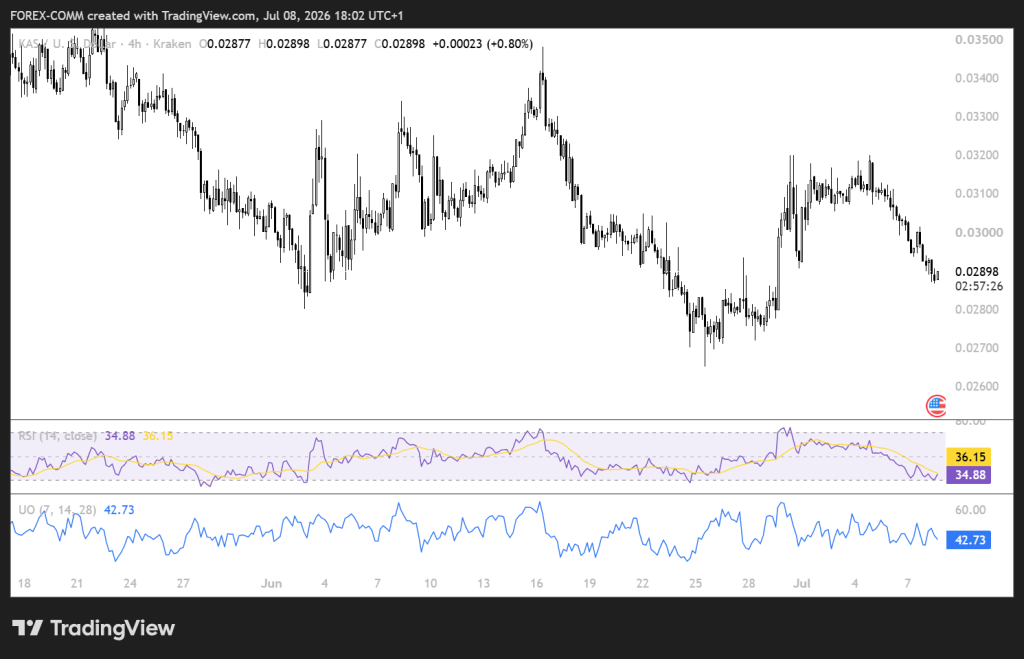
Kaspa Price News: On-Chain Metrics Signals a Potential Bottom as Whale Buys 1 Million KAS

Super Micro Computer, Inc. (SMCI) Stock: Surge as Red Hat Deal Boosts Edge AI Momentum


Popüler Haberler
Daha fazla
