

Crucial Update: Binance to Delist SXP, MILK, OBOL, TOKEN Perpetual Futures on Dec 5
BitcoinWorld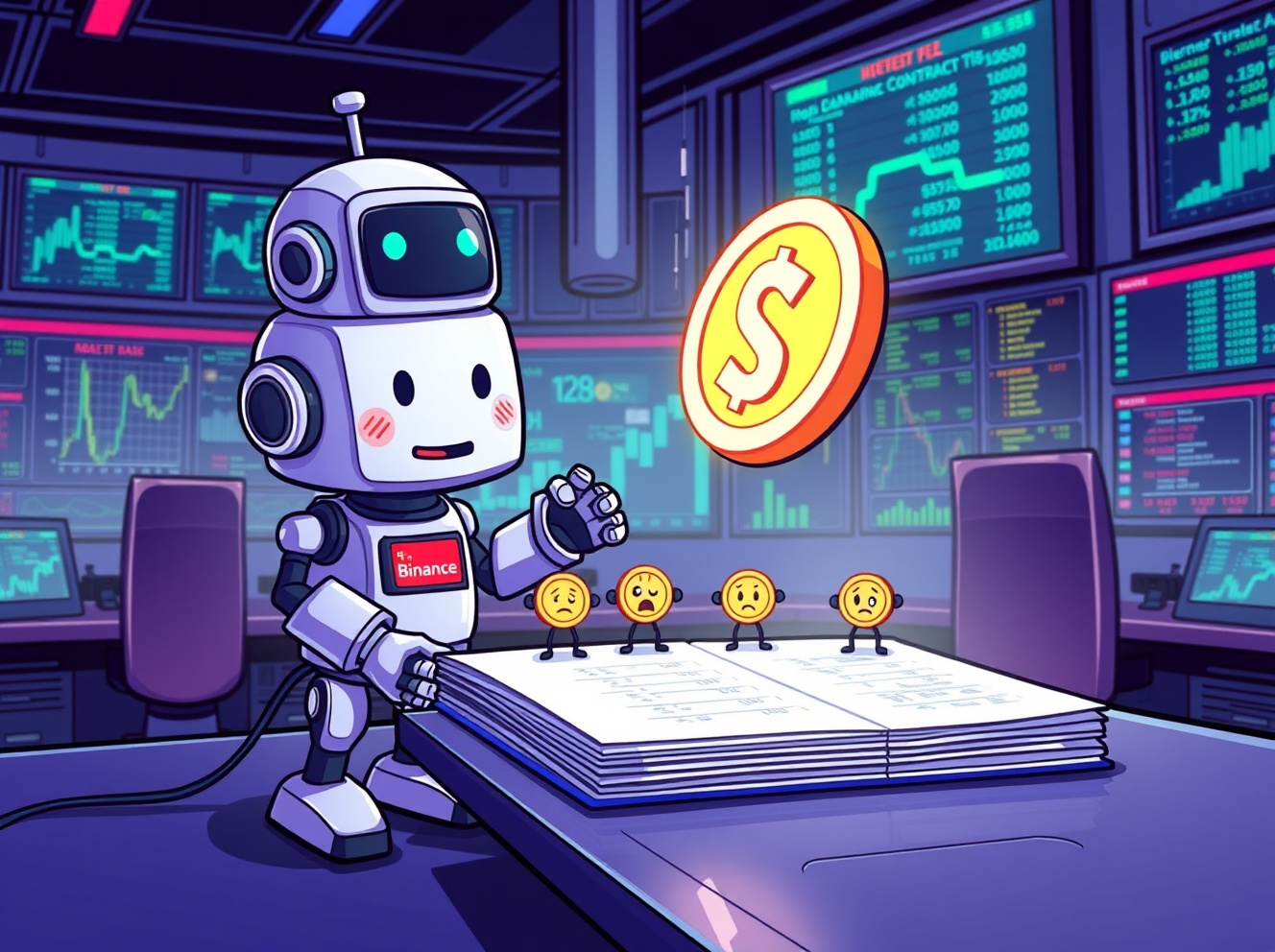
Crucial Update: Binance to Delist SXP, MILK, OBOL, TOKEN Perpetual Futures on Dec 5
Attention all crypto traders: Binance, the world’s largest cryptocurrency exchange, has just announced a significant change to its futures market. In a move impacting several trading pairs, Binance will delist perpetual futures contracts for four specific tokens. This decision requires immediate attention from anyone holding positions in SXP, MILK, OBOL, or TOKEN. Let’s break down exactly what’s happening, when, and what you need to do.
What Does Binance Delisting Perpetual Futures Mean for You?
When an exchange like Binance announces it will delist perpetual futures contracts, it means those specific derivative trading pairs will be permanently removed from the platform. Traders can no longer open new positions, and all existing contracts must be closed before the deadline. This is a routine but critical process for maintaining a healthy and liquid market. Binance periodically reviews its listed products, removing those with low trading volume or liquidity to protect users and ensure market quality.
The affected contracts are all margined with USDT (Tether). The delisting will occur in two batches on December 5:
- 9:00 a.m. UTC: SXPUSDT and MILKUSDT perpetual futures contracts will be delisted.
- 9:30 a.m. UTC: OBOLUSDT and TOKENUSDT perpetual futures contracts will be delisted.
Therefore, you must manage your positions in these assets well before these times to avoid automatic liquidation by the system.
Why Is This Delisting Happening Now?
While Binance’s official announcement provides the essential ‘what’ and ‘when,’ it doesn’t always detail the ‘why.’ However, we can look at common industry practices. Exchanges typically delist perpetual futures and other trading pairs for a few key reasons:
- Low Liquidity and Trading Volume: If a market isn’t active, it becomes prone to high volatility and slippage, creating a poor trading experience and potential risks.
- Project Health and Development: The exchange may reassess the long-term viability or regulatory standing of the underlying project.
- Strategic Portfolio Management: Exchanges constantly optimize their product offerings to focus resources on the most popular and secure markets.
This move by Binance underscores the importance of staying informed about the assets you trade. It’s a reminder that the crypto landscape is dynamic, and even major listings can change.
Your Action Plan: Steps to Take Before December 5
Don’t get caught off guard. If you have open positions in any of these four futures contracts, you need a clear plan. Here is your actionable checklist:
- Close All Open Positions: Manually close any open long or short positions in SXPUSDT, MILKUSDT, OBOLUSDT, or TOKENUSDT perpetual futures before their respective delisting times.
- Cancel Open Orders: Remember to cancel any pending limit orders, stop-loss orders, or take-profit orders tied to these contracts. They will not execute after delisting.
- Understand Auto-Liquidation: If you do not close your positions, Binance will automatically close them at the mark price around the delisting time. This could result in unexpected losses if the market moves against you.
- Explore Alternatives: Check if these tokens are still available for spot trading on Binance or other reputable exchanges if you wish to maintain exposure.
Proactivity is your best defense against unnecessary financial loss during such exchange-mandated events.
Looking Beyond the Delisting: What’s the Bigger Picture?
This event is more than just a schedule change; it’s a lesson in crypto market maturity. Major exchanges like Binance taking steps to prune their offerings is a sign of an evolving industry focused on user protection and market integrity. For traders, it highlights the non-negotiable need for due diligence. Always assess the trading volume, community activity, and development progress of any project before committing capital, especially in leveraged products like futures.
Furthermore, this Binance delist perpetual futures action may influence the spot price of SXP, MILK, OBOL, and TOKEN in the short term. Some sell pressure is possible as futures positions are unwound. However, removing illiquid futures contracts can sometimes lead to a healthier, less manipulated spot market for the asset in the long run.
In summary, Binance’s decision to remove these four perpetual futures contracts is a standard operational procedure aimed at ensuring a robust trading ecosystem. The immediate impact is clear: traders must act before December 5 to manage their positions. The broader takeaway is the importance of adaptability and continuous learning in the fast-paced world of cryptocurrency trading.
Frequently Asked Questions (FAQs)
Q1: Can I still trade SXP, MILK, OBOL, or TOKEN on Binance after December 5?
A1: This delisting only affects the specific USDT-margined perpetual futures contracts. You will need to check Binance’s spot market to see if these tokens are still available for regular buying and selling. The announcement does not necessarily affect their spot trading pairs.
Q2: What happens if I forget to close my position?
A2: If you have an open position when the delisting time arrives, Binance will automatically close it at the prevailing mark price. You do not want to rely on this, as you surrender control of the exit price and could incur a loss.
Q3: Will I lose my money because of this delisting?
A3: Not directly. You will not lose funds simply because of the delisting. However, if the market price moves unfavorably between now and when your position is closed (either by you or automatically), you will realize a loss on that trade, just like any other market move.
Q4: Why are only these four tokens being delisted?
A4: While not explicitly stated, it is most commonly due to consistently low trading volume and liquidity on these specific futures pairs, making them potentially risky for traders.
Q5: How often does Binance delist futures contracts?
A5: Binance conducts periodic reviews of all listed products. Delistings are not daily occurrences but are a regular part of exchange management to ensure market quality. Several contracts may be delisted in a single announcement every few months.
Q6: Where can I get official updates from Binance?
A6: Always refer to the official Binance Announcements page for the most accurate and timely information regarding any changes to their platform.
Found this guide on the Binance delist perpetual futures announcement helpful? Navigating exchange updates can be tricky, and sharing knowledge makes the crypto community stronger. Help other traders stay informed by sharing this article on your social media channels. A simple share could save someone from an unexpected liquidation!
To learn more about the latest cryptocurrency exchange trends, explore our article on key developments shaping platform security and new product launches.
This post Crucial Update: Binance to Delist SXP, MILK, OBOL, TOKEN Perpetual Futures on Dec 5 first appeared on BitcoinWorld.


Ayrıca Şunları da Beğenebilirsiniz

6 Crypto Sportsbooks Ranked on On-Chain Transparency

Russia bans diesel exports as Ukrainian strikes intensify fuel crisis

Paradigm’s prediction markets terminal targets pros as Kalshi backing deepens


Popüler Haberler
Daha fazla
