

Binance Suspends Deposits: What the CHESS, DF, GHST Hold-Up Means for You

BitcoinWorld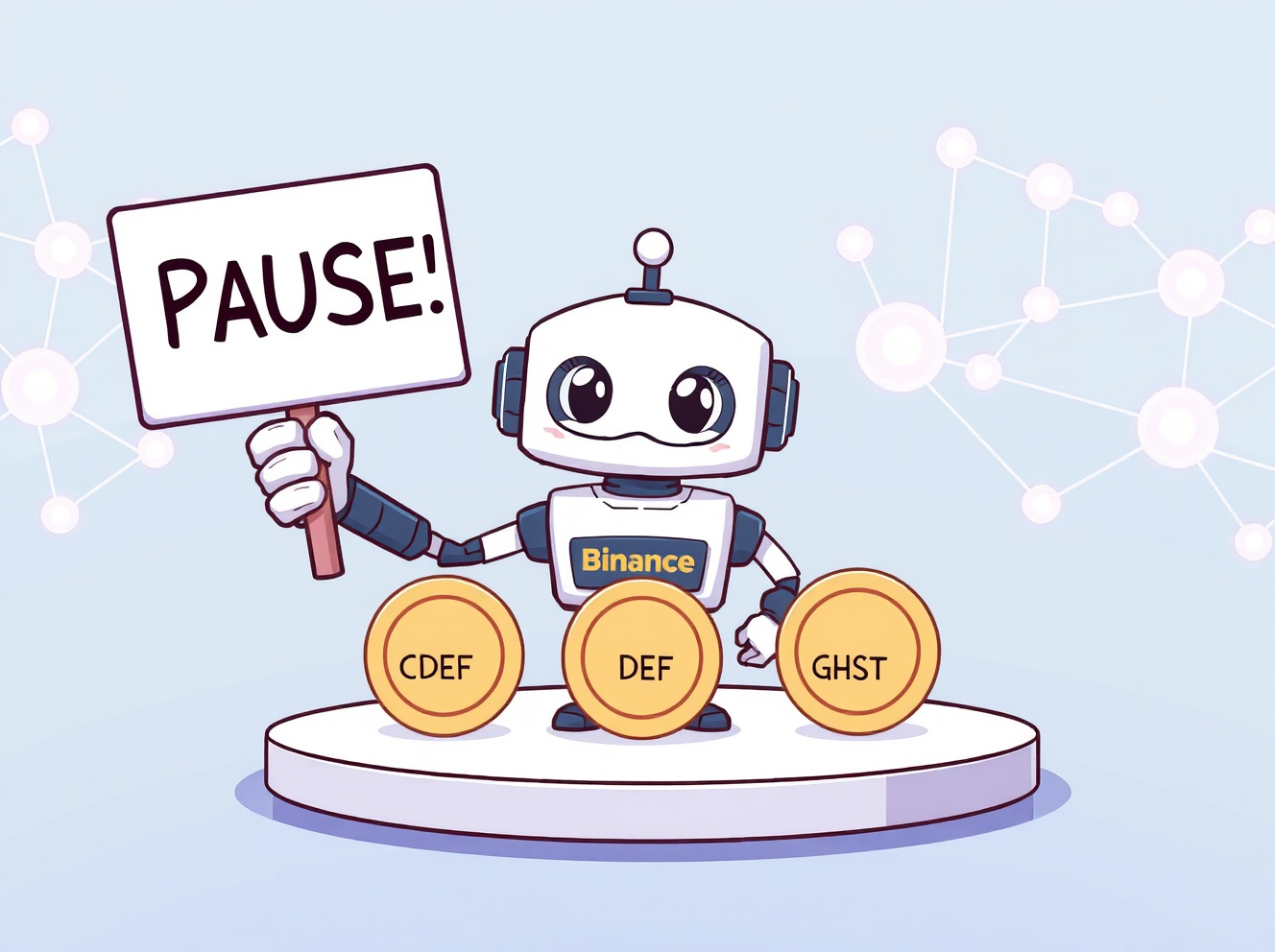
Binance Suspends Deposits: What the CHESS, DF, GHST Hold-Up Means for You
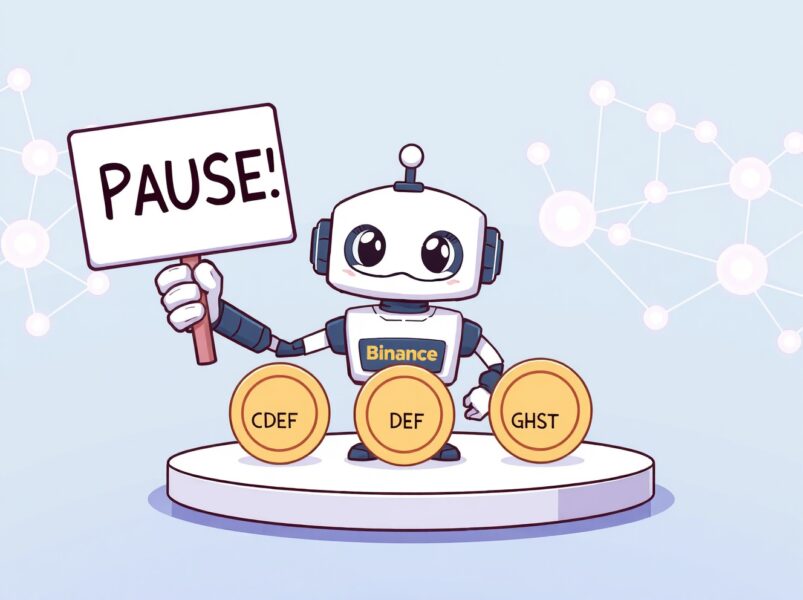
If you’re trying to move your CHESS, DF, or GHST tokens on Binance right now, you might have hit a wall. In a recent announcement, the world’s leading cryptocurrency exchange took decisive action. Binance suspends deposits and withdrawals for these three specific tokens, citing network delays as the primary reason. This temporary measure, effective from 8:00 a.m. UTC on December 12, is a reminder of the technical realities behind the seamless crypto trading experience. Let’s break down what this means for your assets and why such pauses are sometimes necessary.
Why Did Binance Suspend These Transactions?
Binance’s decision is a proactive step, not a reactive panic. The official reason given is network delays. But what does that actually mean for you as a user? Essentially, the underlying blockchain networks for CHESS, DF, and GHST are experiencing congestion or technical slowdowns. When this happens, transactions can become stuck, take excessively long times to confirm, or even fail entirely.
Therefore, by temporarily suspending the deposit and withdrawal functions, Binance protects its users from potential loss of funds. Imagine sending tokens to the exchange only for the transaction to get lost in a delayed network—you’d be left in limbo. This pause allows the network issues to be resolved, ensuring that when services resume, all movements are safe, secure, and verifiable on their respective blockchains.
Which Tokens Are Affected and What Should You Do?
The suspension specifically targets three assets: CHESS (the token for the Tranchess protocol), DF (dForce), and GHST (Aavegotchi). If you hold these tokens on Binance, here is what you need to know:
- Trading is Unaffected: You can still buy, sell, and trade these tokens against other pairs on Binance’s spot market. The suspension only applies to moving tokens on or off the exchange.
- Your Funds Are Safe: All existing balances of CHESS, DF, and GHST in your Binance wallets remain secure and under your control.
- No Action Required: For most users, no immediate action is needed. Simply wait for Binance to announce the resumption of services, which typically happens once network stability is confirmed.
This is a standard operational procedure for reputable exchanges. It highlights their commitment to security over convenience, a trade-off that seasoned crypto users have come to appreciate.
Understanding Network Delays in Cryptocurrency
You might wonder, why do these network delays happen? Blockchain networks are not infallible. They can experience high traffic, similar to a website crashing during a sale. Sometimes, upgrades or unexpected bugs can also cause slowdowns. When an exchange like Binance detects irregular activity or confirmation times on a network, the safest course is to halt movements until the all-clear is given.
This incident serves as a useful case study. It shows that even popular tokens and large exchanges are subject to the fundamental technical layers of crypto. It’s a built-in challenge of a decentralized ecosystem. However, transparent communication from the exchange, as seen here, helps manage user expectations and maintain trust.
What Happens Next After Binance Suspends Deposits?
The key word from Binance is “temporary.” The exchange has a track record of quickly resolving such issues. Users should monitor the official Binance Announcements channel for the service resumption notice. Typically, the process is:
- Binance engineers monitor the affected networks.
- Once network performance returns to normal and remains stable, they will conduct tests.
- An official announcement will be made, and deposit/withdrawal services will be re-enabled.
There is no need for alarm. This is a routine operational pause designed to protect your assets. In the long run, such measures contribute to a more reliable and secure trading environment for everyone.
Conclusion: A Pause for Protection, Not for Panic
When Binance suspends deposits and withdrawals for specific tokens, it is exercising necessary caution. The move regarding CHESS, DF, and GHST is a textbook example of an exchange prioritizing user asset safety amidst external network instability. While momentarily inconvenient, it prevents the far greater hassle of lost or stuck transactions. It underscores the importance of choosing platforms with robust risk management protocols. As the crypto space evolves, such transparent and security-focused actions are what build enduring user confidence.
Frequently Asked Questions (FAQs)
Q1: Can I still trade CHESS, DF, and GHST on Binance?
A: Yes. The suspension only affects depositing tokens into your Binance wallet and withdrawing them out. Spot trading for these tokens continues as normal.
Q2: How long will the suspension last?
A: Binance has not provided a specific timeline. The service will be restored once the underlying network delays are resolved and stability is confirmed. Users should check the official announcements for updates.
Q3: Are my tokens safe on Binance during this time?
A: Absolutely. Your existing token balances are secure in your wallet. The suspension is a preventive measure to protect funds in transit, not a security breach.
Q4: What causes network delays for cryptocurrencies?
A: Network delays can be caused by high transaction volume congesting the blockchain, ongoing network upgrades, or unexpected technical issues with the node infrastructure.
Q5: Will this affect the price of CHESS, DF, or GHST?
A: While temporary suspension of transfers can sometimes cause short-term price volatility due to reduced liquidity flow, the core trading markets remain open. The long-term price impact is typically minimal for such routine operational pauses.
Q6: Has this happened before with Binance?
A: Yes. It is a standard industry practice. Exchanges like Binance periodically suspend deposits and withdrawals for various tokens to perform wallet maintenance, support network upgrades, or address network instability, always with user safety in mind.
Found this explanation helpful? Navigating exchange announcements can be confusing, but understanding the ‘why’ behind them is crucial. If this article clarified the situation for you, help other crypto enthusiasts by sharing it on your social media channels like Twitter or Reddit. Knowledge is power in the fast-moving world of cryptocurrency!
To learn more about how major exchanges manage technical challenges and protect user assets, explore our article on key developments shaping cryptocurrency security and institutional adoption.
This post Binance Suspends Deposits: What the CHESS, DF, GHST Hold-Up Means for You first appeared on BitcoinWorld.
Ayrıca Şunları da Beğenebilirsiniz

Aave DAO to Shut Down 50% of L2s While Doubling Down on GHO

Eigen price spikes 33% as EigenLayer leads fresh altcoin rally
