Euro Stablecoins Face a Critical 2026 Deadline for Success or Failure
BitcoinWorld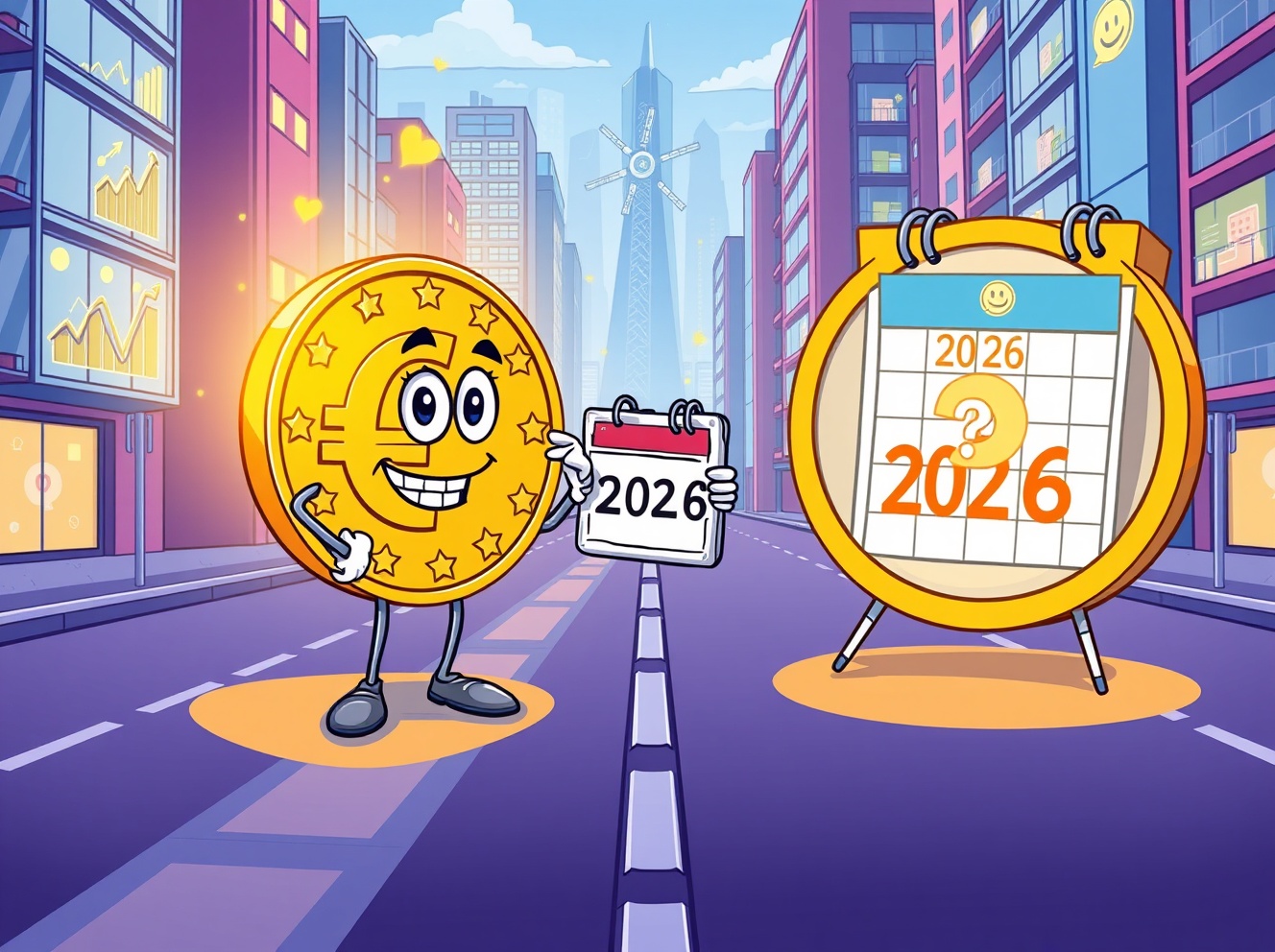
Euro Stablecoins Face a Critical 2026 Deadline for Success or Failure
The race for a dominant digital euro is heating up, and the finish line is now in sight. According to a major European payment processor, the fate of euro stablecoins will be decisively determined within the next two years. This pivotal moment hinges on the full rollout of the EU’s landmark crypto framework, setting the stage for a dramatic transformation in how Europe pays and invests.
Why is 2026 the Make-or-Break Year for Euro Stablecoins?
German payment gateway DECTA has pinpointed 2026 as the critical juncture. This timeline aligns with the full implementation of the Markets in Crypto-Assets (MiCA) regulation across all 27 EU member states. MiCA provides the first comprehensive legal rulebook for crypto assets, including stablecoins. By 2026, the regulatory dust will have settled, revealing which projects can thrive under the new rules and which will fade away.
This clarity is crucial. For years, the stablecoin market has been dominated by US dollar-pegged tokens. MiCA creates a trusted, regulated environment specifically for euro stablecoins, potentially unlocking massive demand from European businesses and consumers seeking a familiar, digital currency for everyday use.
How Will MiCA Regulation Fuel Adoption?
Think of MiCA as a quality seal for crypto. It mandates strict requirements for issuers of euro stablecoins, particularly those deemed significant for payments.
- Robust Reserves: Issuers must hold high-quality, liquid assets (like cash or government bonds) to fully back the stablecoin’s value.
- Consumer Protection: Clear rules on redemption rights ensure users can always exchange their stablecoins for euros.
- Operational Resilience: Demands for strong governance, transparency, and cybersecurity protect the entire financial system.
This framework builds trust. Therefore, businesses like DECTA, which facilitate payments, anticipate a surge in using these regulated tokens for everything from online shopping to cross-border B2B transactions.
What Are the Real-World Use Cases Driving Growth?
The success of euro stablecoins won’t just be about regulation; it’s about solving real problems. Their primary growth engines will be in two key areas:
1. Efficient Payments: Imagine sending money across Europe instantly and for a fraction of current bank fees. Euro stablecoins can make this a reality for both consumers and businesses, challenging traditional payment rails.
2. Tokenized Finance: This is where things get revolutionary. Real-world assets like bonds, real estate, or trade invoices can be represented as digital tokens on a blockchain. Using a native euro stablecoin to buy, sell, and settle these assets creates a seamless, automated financial system open 24/7.
What Challenges Could Derail Their Success?
However, the path to 2026 is not without obstacles. Several hurdles could slow adoption:
- Competition from the Digital Euro: The European Central Bank is developing a central bank digital currency (CBDC). This could overshadow private euro stablecoins if it offers superior features or mandatory use.
- Bank Reluctance: Traditional banks may be slow to integrate stablecoin services, creating friction for users wanting to move between traditional and digital euros.
- User Experience: For mass adoption, using euro stablecoins must be as simple as using a debit card. Complex wallets and private key management remain a barrier.
The Final Verdict: A New Chapter for European Finance
The next two years will be a defining period. By 2026, we will know if euro stablecoins have become a cornerstone of a modernized European financial system or a niche product. The combination of MiCA’s regulatory certainty and clear use cases in payments and tokenization creates a powerful foundation for success.
The message from industry leaders is clear: the era of speculation is ending, and the era of utility is beginning. Europe is building a regulated on-ramp for the future of money, and euro stablecoins are poised to be the vehicle that takes us there.
Frequently Asked Questions (FAQs)
Q: What exactly is a euro stablecoin?
A: A euro stablecoin is a type of cryptocurrency whose value is pegged, or tied, to the euro. For every stablecoin in circulation, the issuer holds reserve assets (like cash or bonds) to maintain that 1:1 value.
Q: How is MiCA different from current regulations?
A: Before MiCA, crypto regulation in the EU was a patchwork of national laws. MiCA creates a single, unified rulebook for the entire bloc, providing legal clarity and consistent consumer protection for the first time.
Q: Will euro stablecoins replace the euro in my bank account?
A> No, not in the foreseeable future. They are designed to coexist, offering a fast, digital alternative for specific use cases like online payments and crypto trading, while traditional bank accounts remain for salaries and savings.
Q: Are euro stablecoins safe?
A: Once MiCA is fully enforced, regulated euro stablecoins will be required to meet strict safety standards, including full backing by secure assets. However, as with any financial product, it’s crucial to use only licensed and compliant issuers.
Q: Can I use a euro stablecoin today?
A: Yes, several exist, but they operate in a pre-MiCA environment. Their features and regulatory status will evolve as the 2024-2026 implementation period progresses.
Q: What happens if a stablecoin issuer fails?
A: A core part of MiCA is ensuring orderly redemption. Issuers must have a clear plan so that if they wind down, users can reclaim the underlying euro value of their tokens.
Join the Conversation on the Future of Money
The shift to digital currencies is one of the most significant financial developments of our time. Do you think euro stablecoins will become mainstream by 2026? What use case excites you the most? Share your thoughts and this article on social media to discuss the future of European finance with your network!
To learn more about the latest cryptocurrency trends, explore our article on key developments shaping stablecoin adoption and institutional investment.
This post Euro Stablecoins Face a Critical 2026 Deadline for Success or Failure first appeared on BitcoinWorld.
Ayrıca Şunları da Beğenebilirsiniz

FCA komt in 2026 met aangepaste cryptoregels voor Britse markt

Modernizing Legacy E-Commerce Platforms: From Oracle ATG To Cloud-Native Architectures