

👨🏿🚀TechCabal Daily – CAR blocks Starlink roaming
Good morning.
What happens when geopolitics gets in the way of doing business? China just answered that question with a single line.
China’s National Development and Reform Commission (NDRC) on Monday gave the coldest response to the Meta and Manus deal announced in December.
Meta was set to acquire Manus, a Chinese-founded ‘hands-on AI’ workspace that helps businesses generate and manage things like slides, websites, apps, and research, for $2 billion, but that now looks to be off after the NDRC gave a one-line notice that it has decided to prohibit foreign investment in the startup in accordance with laws and regulations.
If you think this has to do with last year’s TikTok saga, you’re not wrong. If you also think this signals deeper geopolitical tensions between the two countries, you’re also not wrong.
But for Meta, which planned to acquire Manus to build AI agents that can deeply research and perform analysis with minimal human prompting, it will either have to look elsewhere or lock in with its many tech bro hires and just develop the thing in-house.
In more news, Zikoko Citizen’s report contains interesting nuggets on elections in Nigeria and how the country is set to vote in another general election next year. If you’d like to know more, download the report.
Let’s dive in.
- Starlink roaming blocked in the Central African Republic
- Nokia to open regional tech hub in Egypt
- Absa Bank Kenya and Airtel Money partner
- Moov Africa expands 5G network in Benin
- World Wide Web 3
- Opportunities
Internet
Central African Republic cracks down on grey market Starlink use
 Elon Musk meme. Image Source: Google
Bought your Starlink kit abroad to save some cash, only to find it suddenly stopped working at home? That workaround just hit a wall in the Central African Republic (CAR).
Authorities have suspended the use of Starlink kits operating in “roaming” mode—devices bought in other countries and used locally without going through national approval. The government says these kits fall outside its regulatory framework and raise concerns around security, traceability, and compliance.
If you suspect a similar pattern has played out in Africa, you’re not wrong. The same happened in South Africa, where enforcement actions from regulators forced Starlink to halt roaming.
For CAR, the timing is awkward but telling. Starlink only launched commercially in the country in March 2026, stepping into a market where Internet penetration stands at 15.5%. For many, importing cheaper kits or activating roaming was the fastest way online.
The government is not rejecting Starlink. It is tightening control over how it is used. All telecom equipment must now be approved locally, and roaming kits have not met those requirements.
Between the lines: This is about visibility. Authorities want to know who is connected, from where, and through which devices. Roaming kits, by design, blur those lines.
What is really happening? A familiar pattern is playing out. New tech arrives, users find shortcuts around cost and access barriers, and regulators step in to draw firmer boundaries.
There is also a pricing reality. A standard Starlink kit costs CFA240,000 ($400), with a monthly subscription of CFA33,000 ($59), before taxes. For many users, sourcing hardware from cheaper markets was not just clever, it was necessary.
However, CAR is now closing off the easy access routes, and users either have to legally buy a Starlink kit or forgo fast satellite Internet speed.
20+ Markets. One API.
Fincra connects your business to Africa’s payment rails without building market by market. For collection, payout, FX, and settlement through a single integration. See what this means for your business.
Telecoms
Nokia picks Egypt for regional tech hub as demand for 5G grows
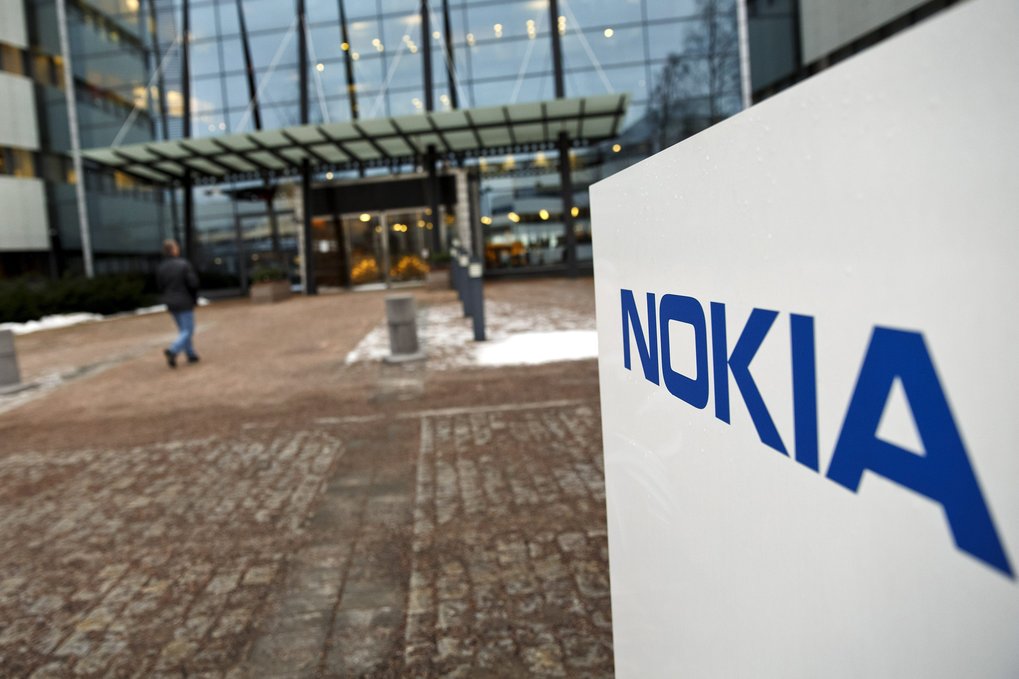 The headquarters of Finnish telecom equipment group Nokia in Espoo pictured on January 29, 2015. Image Source: Roni Rekomaa/AFP/Getty Images
Remember Nokia? The mobile phone manufacturer turned telecom infrastructure operator is expanding its operations and deepening its footprint in North America, India, and emerging markets across Africa.
It has selected Egypt as its regional support hub, establishing a centralised operations centre to manage customer networks and services across the Middle East and Africa. The facility will support all its business lines, including mobile and network infrastructure and global services, as operators deal with rising data traffic and increasingly complex systems.
Telecom networks are getting harder to run. More users, more devices, and the shift to cloud-based systems mean operators need faster response times and round-the-clock support. Centralising those functions in one location helps cut delays and standardise how issues are handled.
Egypt fits into Nokia’s long-term plan. Its location allows coverage across multiple time zones, while a deep pool of engineers and established telecom infrastructure make it easier to scale operations without starting from scratch.
The move builds on a 2024 agreement with the Information Technology Industry Development Agency (ITIDA), a government agency focused on talent development, and Telecom Egypt, pointing to a longer-term effort to anchor more high-value tech work in the country.
The timing also lines up with a broader shift. On April 22, Alshaya Group, the Kuwait-based retail franchise operator of brands like Starbucks and H&M, opened a global talent centre in Cairo, Egypt, to run technology and customer operations across the Middle East and North Africa (MENA), adding to a growing list of companies routing regional functions through Egypt, including Huawei, Microsoft, and Oracle.
Digital services exports to Egypt brought in $7.4 billion in 2025, and hubs like this are part of the plan to grow that figure by moving further into network operations and engineering work tied to global demand.
The Safe and Reliable Banking App
With over 35 million users and a 99.9% transaction success rate, PalmPay is making digital banking safer, simpler, and more reliable for everyday Nigerians. Download the app to learn more.
Fintech
Airtel Money and Absa Bank Kenya unite to streamline business payments
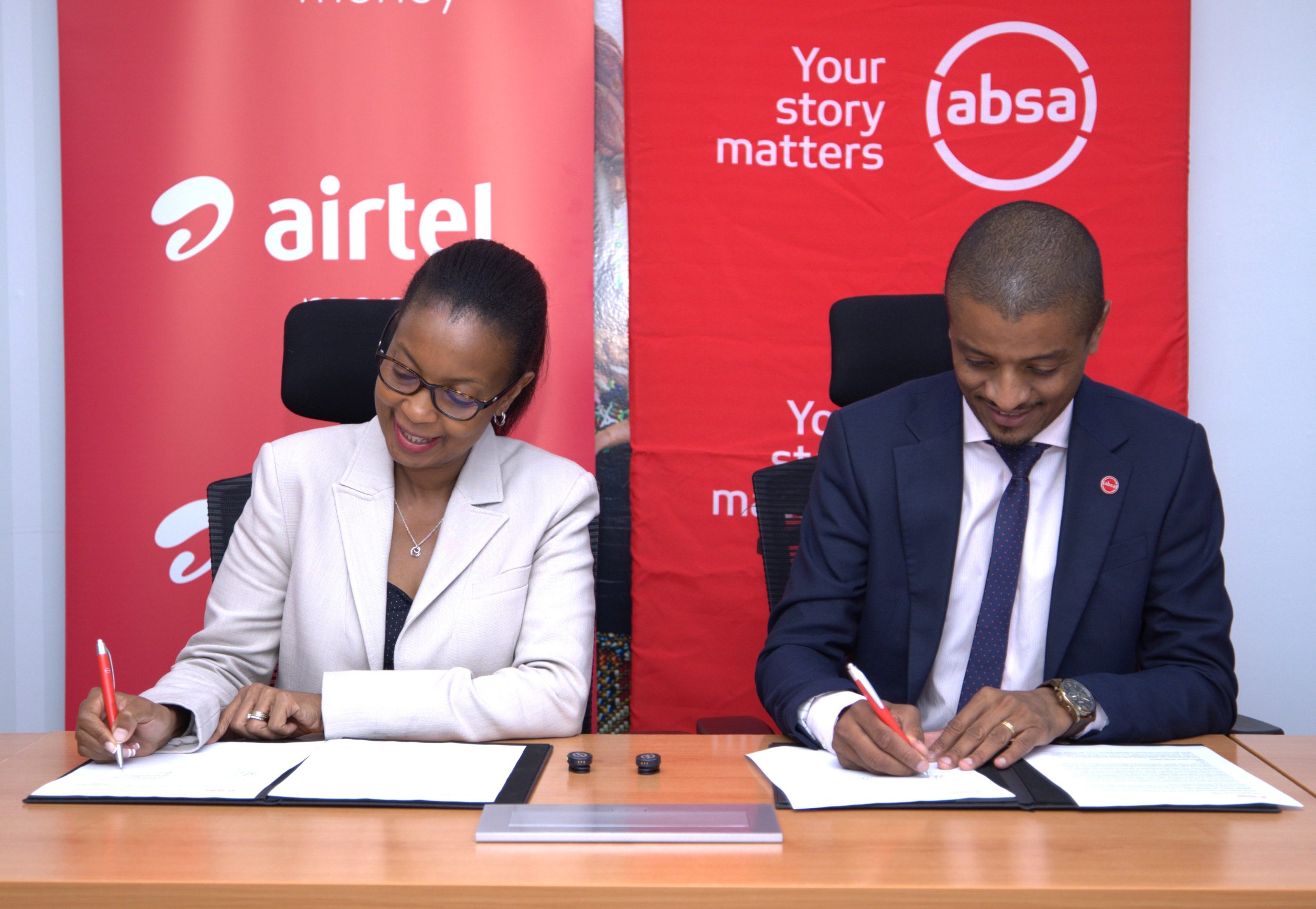 Airtel Money MD Anne Kinuthia-Otieno and Absa Bank Kenya Business Banking Director Renato D’Souza, during the signing of a partnership enabling direct transfers from Airtel Money wallets into Absa Bank’s accounts and payments to merchant paybill accounts. Image: Absa Bank Kenya
Kenya’s mobile money wars are heating up again, and Airtel Money has partnered with Absa Bank Kenya, the country’s fifth-biggest bank, to let businesses move money directly between mobile wallets and bank accounts.
How it would work: This integration would connect Airtel Money wallets directly to Absa bank accounts. Instead of a merchant receiving money in their wallet and then manually transferring it to a bank account, the funds can settle directly into their bank. That means fewer steps and faster access to cash.
A new move in Airtel Money’s strategy: In Kenya, M-PESA dominates the mobile money ecosystem, holding an 89% market share. Its scale is massive, and its partnerships with other Kenyan banks like NCBA and KCB Group, through products like M-Shwari and KCB M-PESA, have embedded it into how businesses save and transact.
However, Airtel Money has been chipping away at M-PESA’s dominance in recent times as its market share crossed the 10% mark in 2025. That growth could be attributed to sustained pricing and cashback campaigns run by Airtel. The new partnership is another route the mobile money player is taking to chip at its dominance.
Why this matters: Mobile money in Kenya is huge. Transaction value through mobile money agents totalled KES 633.35 billion ($4.9 billion) in February 2026. By reducing friction between wallets and bank accounts, Airtel is making a play for relevance in everyday business operations, and for banks like Absa, staying plugged into mobile money means access to its massive market.
TECHCABAL 4.0
In March 2013, TechCabal published its first article. Thousands of stories later, the work continues, and today, it goes deeper.
TechCabal has always been free. That’s not changing.
We’ve opened a new layer. Reporting that goes further, built on sources you won’t find anywhere else, and told in ways we haven’t tried before. You’re among the first to see it.
Getting in takes less than 15 seconds.
You’re one step away from the other side.
Click the button below to see what TechCabal 4.0 looks like and what it means for you.
Telecoms
Moov Africa is betting on 5G to win back Benin
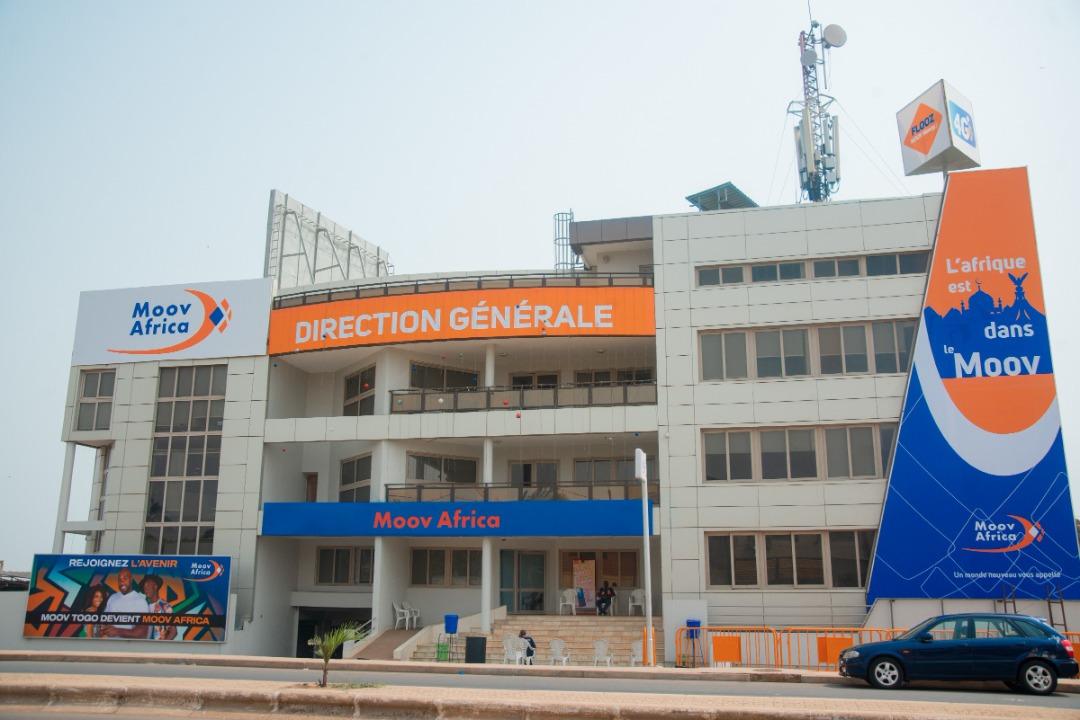 Image Source: Moov Africa
Moov Africa Benin, the country’s third largest telecom operator, has launched 5G services, to compete with rivals, MTN and Celtiis, both of whom have already been pushing aggressively into high-speed data and expanding their Internet offerings. Moov said it had rolled out over 230 5G sites across key cities like Cotonou, Porto-Novo, and Parakou, with plans to expand further.
An attempt to win back former glory: Not long ago, Moov was comfortably the second largest player in Benin’s mobile Internet market, trailing behind MTN until Celtiis entered the market in 2024. Last year, Celtiis overtook Moov to become the second-largest operator in the market; Moov’s subscriber base had slipped to about 2.59 million, while Celtiis surged ahead to 3.51 million, locking in second place. MTN remained firmly in the lead at 4.51 million.
Why 5G and why now: MTN has leaned into premium, high-speed offerings, while Celtiis has gained ground with competitive pricing and aggressive market entry. The Internet segment has also expanded with the entry of players such as Starlink and CanalBox in 2023 and 2025, respectively. Moov’s 5G push looks like a response to match the speed and give users a reason to reconsider it.
Cool, but will this 5G be adopted? 5G sounds impressive, but adoption depends on more than network rollout. We’ve seen a similar pattern elsewhere. In Nigeria, for example, 5G launched with plenty of hype, but adoption has been stuck below 3%. Benin’s online penetration sits a little above 32%, meaning most of the population isn’t even online yet, let alone upgrade to 5G. Yes, 5G is here, but how many people will see enough value to switch?
CRYPTO TRACKER
The World Wide Web3
Source:

|
Coin Name |
Current Value |
Day |
Month |
|---|---|---|---|
| Bitcoin | $76,915 |
– 2.52% |
+ 15.30% |
| Ether | $2,290 |
– 3.86% |
+ 14.25% |
| Perle | $0.3406 |
+ 49.68% |
+ 86.47% |
| Solana | $84.08 |
– 3.90% |
+ 1.64% |
* Data as of 05.45 AM WAT, April 28, 2026.
Opportunities
- Applications are open for ClimateLaunchpad, the world’s largest green business ideas competition run by Climate-KIC. The programme helps early-stage climate founders turn rough ideas into viable startups through training, mentorship, and pitch competitions. Entrepreneurs from around the world, including Africa, can apply for the 2026 cohort and compete for up to €10,000 in prize money and access to a global cleantech network. Apply here.
- Google for Startups: Africa, a three-month hybrid accelerator for growth-stage startups on the continent, is now accepting applications. The accelerator will provides equity-free support for the duration of the programme, mentorship, training, cloud credits, and access to Google’s AI products designed to bring the best of its programmes, products, people, and technology to communities across Africa. Apply here.
- The Future Investment Initiative Institute (FII), in partnership with MIT Solve, has launched the 2026 FII Innovators Pitch, inviting startups building with AI and frontier technologies to apply. The programme targets solutions across sustainability, healthcare, AI & robotics, and education. Selected startups will pitch live at the 10th Future Investment Initiative in Riyadh, Saudi Arabia, this October (all expenses covered) and join the FII Ventures Programme, gaining access to investors, policymakers, and global partners to support their growth. Apply here.
- Google and UpSkill Universe have partnered to relaunch Hustle Academy, now offering free AI and business training to individuals and small businesses across Africa. The programme features 60-minute expert-led webinars and 1-day bootcamps (3–5 hours), covering digital marketing, e-commerce, business strategy, financial management, and AI tools. Open to students, jobseekers, entrepreneurs, and past applicants, it provides practical, hands-on skills that can be immediately applied to grow careers or businesses. Apply here.
- Ask An Investor: Botswana Tech Fund sees opportunity where African venture capital rarely flows
- Why bank transfers above ₦10,000 will cost ₦60 under CBN’s new guide
- Jury selection in Musk v. Altman: ‘People don’t like him’
- Google is testing AI chatbot search for YouTube
Written by: Emmanuel Nwosu and Opeyemi Kareem
Edited by: Emmanuel Nwosu and Ganiu Oloruntade
Want more of TechCabal?
Sign up for our insightful newsletters on the business and economy of tech in Africa.
- The Next Wave: futuristic analysis of the business of tech in Africa.
- Francophone Weekly by TechCabal: insider insights and analysis of Francophone’s tech ecosystem
P:S If you’re often missing TC Daily in your inbox, check your Promotions folder and move any edition of TC Daily from “Promotions” to your “Main” or “Primary” folder and TC Daily will always come to you.



You May Also Like

XRP Faces Intense Selling Activity as Key Support Level Collapses

Sweden Trade Balance (MoM) rose from previous 1.8B to 9.3B in March




