

Japanese Yen Slides to 162.30, Approaching 40-Year Low Amid Intervention Speculation
BitcoinWorld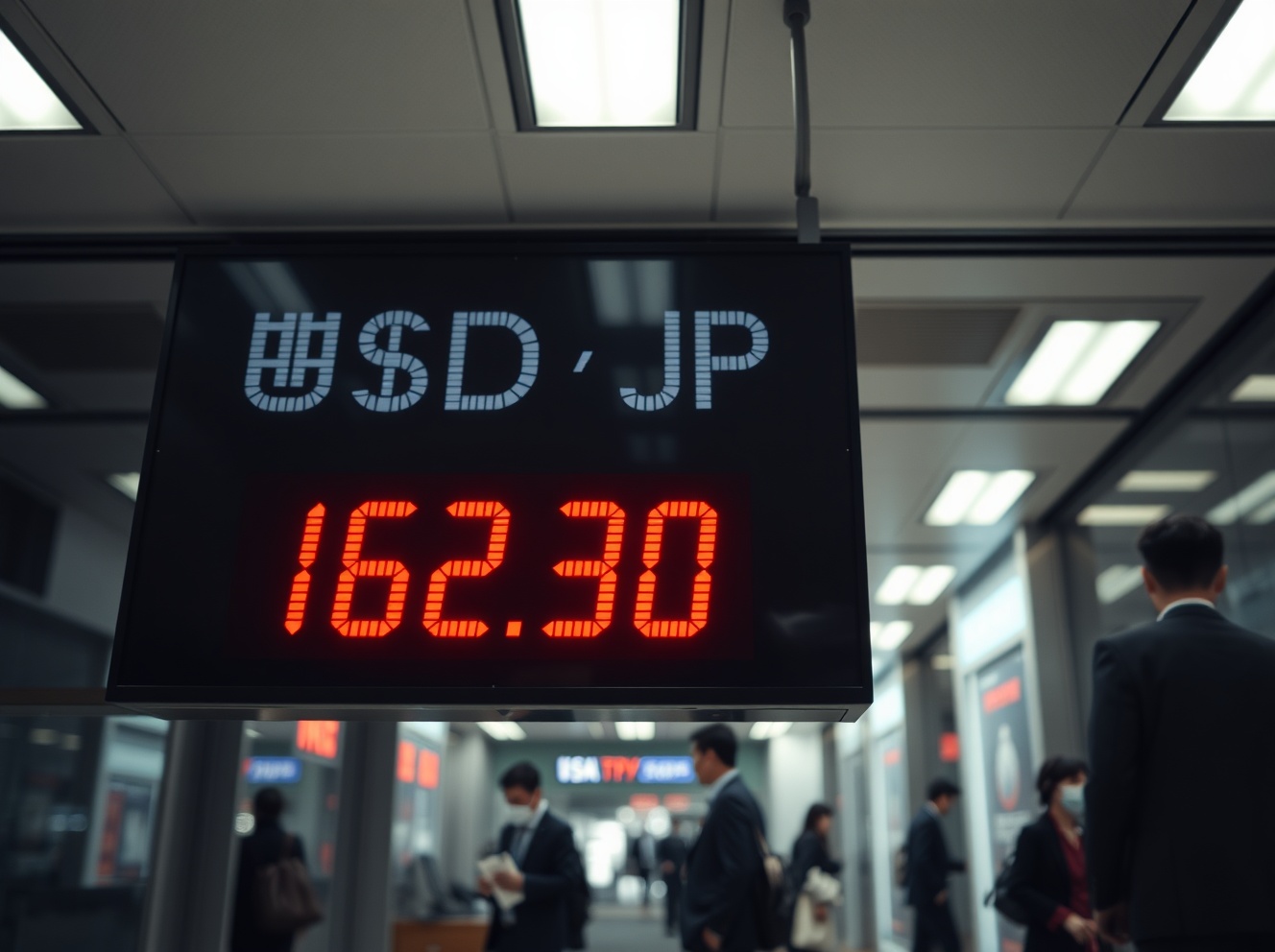
Japanese Yen Slides to 162.30, Approaching 40-Year Low Amid Intervention Speculation
The Japanese yen extended its decline against the U.S. dollar on Tuesday, sliding to approximately 162.30, a level that brings the currency dangerously close to multi-decade lows last seen in the 1980s. The move has reignited market speculation that Japanese authorities may soon intervene to stem the currency’s rapid depreciation.
Yen Weakness Driven by Policy Divergence
The persistent weakness in the yen is largely attributed to the widening interest rate differential between Japan and the United States. While the Federal Reserve has maintained elevated interest rates to combat inflation, the Bank of Japan (BOJ) has kept its benchmark rate at ultra-low levels, continuing its accommodative monetary policy stance. This divergence makes the dollar more attractive to yield-seeking investors, putting sustained downward pressure on the yen.
Recent data from the Ministry of Finance showed Japan spent nearly ¥9.8 trillion on currency intervention in 2024, but the effects have proven temporary. The yen has resumed its slide in 2025, breaching the psychologically important 160 level earlier this year and now testing the 162.30 mark.
Intervention Risks and Market Sentiment
Traders are closely watching for verbal warnings from Japanese officials, which have intensified in recent weeks. Finance Minister Shunichi Suzuki reiterated on Monday that authorities are watching currency moves with a high sense of urgency and will take appropriate action against excessive volatility. However, markets have become skeptical of intervention’s effectiveness, given the sheer scale of capital flows driven by rate differentials.
Analysts note that the yen’s slide to 162.30 is occurring against a backdrop of broader dollar strength, fueled by resilient U.S. economic data and expectations that the Fed may keep rates higher for longer. This external pressure complicates any unilateral action by Tokyo, as intervention becomes more expensive and less impactful when global trends are aligned against the yen.
What This Means for Japanese Consumers and Businesses
The yen’s prolonged weakness has significant real-world implications for Japan’s economy. Import costs for energy, food, and raw materials have surged, contributing to higher inflation for households. While a weak yen benefits major exporters like Toyota and Sony by making their products cheaper abroad, smaller businesses and consumers bear the brunt of rising living costs. The government faces a delicate balancing act between supporting export competitiveness and protecting domestic purchasing power.
Conclusion
The yen’s approach toward 162.30 underscores the persistent challenges facing Japanese policymakers in a world of high U.S. interest rates. While intervention remains a tool in the official toolkit, its effectiveness is increasingly questioned. The coming days are likely to see heightened volatility in USD/JPY, with the 165 level potentially acting as the next major psychological barrier if current trends continue. For now, the market remains on edge, watching for any signal from Tokyo that could trigger a sharp but likely short-lived reversal.
FAQs
Q1: What is the significance of the yen reaching 162.30?
162.30 brings the yen close to its weakest levels against the dollar in approximately 40 years. This increases the likelihood of official intervention by Japanese authorities to support the currency.
Q2: How does yen weakness affect the average Japanese consumer?
A weak yen raises the cost of imported goods, including energy, food, and raw materials. This contributes to higher inflation and reduces household purchasing power, even as it benefits exporters.
Q3: Can Japan’s intervention effectively stop the yen’s decline?
Past interventions have provided only temporary relief. The scale of the interest rate differential between Japan and the U.S. makes sustained intervention costly and difficult. Market forces driven by monetary policy divergence remain the primary driver of the yen’s direction.
This post Japanese Yen Slides to 162.30, Approaching 40-Year Low Amid Intervention Speculation first appeared on BitcoinWorld.


You May Also Like

JPMorgan sends blunt verdict on oil, economy

Circus Appoints Former Aviation and Automotive Executive as Co-CEO and CFO

Vitalik Buterin Flags Data Exfiltration Risks in OpenClaw



