

Coinbase Wins New York Approval for Crypto Staking: Ethereum and Solana Staking Now Available

Coinbase has received regulatory approval from October 8th to offer staking services in New York, one of the most tightly regulated crypto markets in the United States.
This approval allows Coinbase users in the state to earn rewards by staking cryptocurrencies like Ethereum and Solana directly through the platform. For years, New York’s strict financial oversight made it difficult for exchanges to provide staking, but a recent decision by the SEC confirmed that staking as a service does not represent a “security”.
Coinbase celebrated the news as a step forward for accessibility, positioning itself as a bridge between traditional finance rules and the decentralized world of crypto.
What Is Staking and Why It’s Popular
If you’re not familiar with what staking is, that’s understandable as it’s only really become popular in the last three years.
Put simply, staking is the process of locking up cryptocurrencies to help secure a blockchain network in return for earning rewards. Instead of mining with expensive hardware, staking allows investors to earn passive income simply by holding and staking their coins.
The most well-known example is Ethereum, which moved from proof-of-work to proof-of-stake in 2022. Since then, staking has become one of the most popular ways for investors to generate yield in crypto.
According to blockchain analytics firms, tens of billions of dollars’ worth of crypto are now staked globally. The yields may vary by coin but often range between 3 and 8 percent annually.
Which States Still Don’t Allow Staking
While New York’s approval is a major win for Coinbase, still not every state is on board. Several jurisdictions in the United States still restrict or heavily regulate staking products due to concerns over investor protection.
States that currently don’t allow staking are California, New Jersey, Maryland, and Wisconsin however it is hoped that the approval in New York will now mean those remaining four states will follow suit.
What Staking on Coinbase Really Means
When users stake through Coinbase, the exchange holds the coins on their behalf. This is known as custodial staking. It is convenient and secure for most retail users, but it also means Coinbase has control of the private keys. Users cannot directly interact with the staking protocol or move their funds without Coinbase’s system.
The problem with this is that we have seen issues in the past such as exchanges freezing accounts, suffering data breaches or even hacks.
Non-custodial alternatives, such as using wallets or crypto staking platforms like Lido and Rocket Pool, allow users to maintain full control over their assets. These decentralized options often offer slightly higher returns on certain coins since there are no platform fees or intermediaries.
Staking Directly
Coinbase’s approval in New York marks another milestone in bringing crypto yield products to mainstream investors under clear regulations. Yet, as with all things in crypto, users must weigh convenience against control.
Those who prefer convenience may choose Coinbase, while others seeking autonomy and higher returns may find non-custodial, direct staking more appealing.
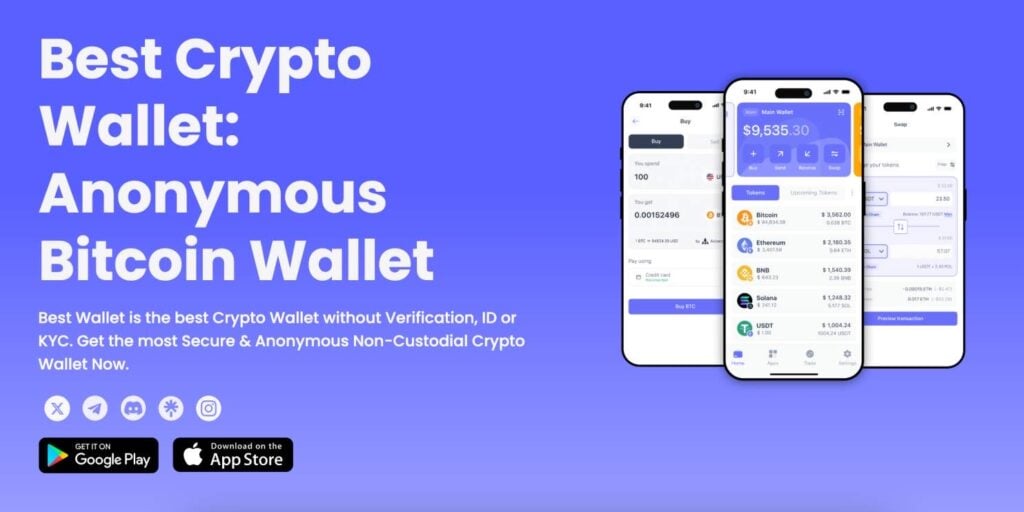
A typical example of a tool that supports non-custodial high-yield staking without sacrificing privacy is Best Wallet. This no-KYC, decentralized wallet, which emerged late last year, offers competitive staking rewards across popular assets while letting users retain control of their funds, a vital feature that strongly appeals to long-term holders.
At its core, Best Wallet delivers a rich variety of staking options, made possible by its integration with multiple blockchains. Currently, it supports six popular blockchains – Solana, BNB Chain, Polygon, Base, Bitcoin, and Ethereum – empowering investors to access and manage diverse high-yield staking facilities all in one convenient place.
The roadmap indicates that the platform will add over sixty blockchains in total through a series of upcoming updates, giving investors more than enough opportunities to spread their stakes across multiple networks.
Unlike CEXes, staking on Best Wallet is flexible and lucrative. Some supported cryptocurrencies offer yields that are as high as 20%, and users can access their earnings anytime they want.
Then, there is its native token, which is currently in a pre-launch stage, and offers a significantly higher staking APYs than established altcoins. Right now, those who purchase BEST can accumulate an APY reward of up to 81%, a rare opportunity in today’s market.
Security remains a top priority on the wallet. It has already collaborated with powerful solutions like Fireblocks to protect users’ assets and staking returns. This, combined with other vital functionalities such as fiat payments, cross-chain swaps, gamified rewards, and a token launchpad, highlights why many analysts regard it as the best “all in one” crypto wallet to use in 2025.
Download Best Wallet | Visit Best Wallet Token Sale
This article has been provided by one of our commercial partners and does not reflect Cryptonomist’s opinion. Please be aware our commercial partners may use affiliate programs to generate revenues through the links on this article.

You May Also Like

Siren Token Sheds 70% as Analysts Question Supply Structure

One Of Frank Sinatra’s Most Famous Albums Is Back In The Spotlight

