

Samourai Wallet Domain Now a Dangerous Hub for Relentless BTC Phishing Attacks
BitcoinWorld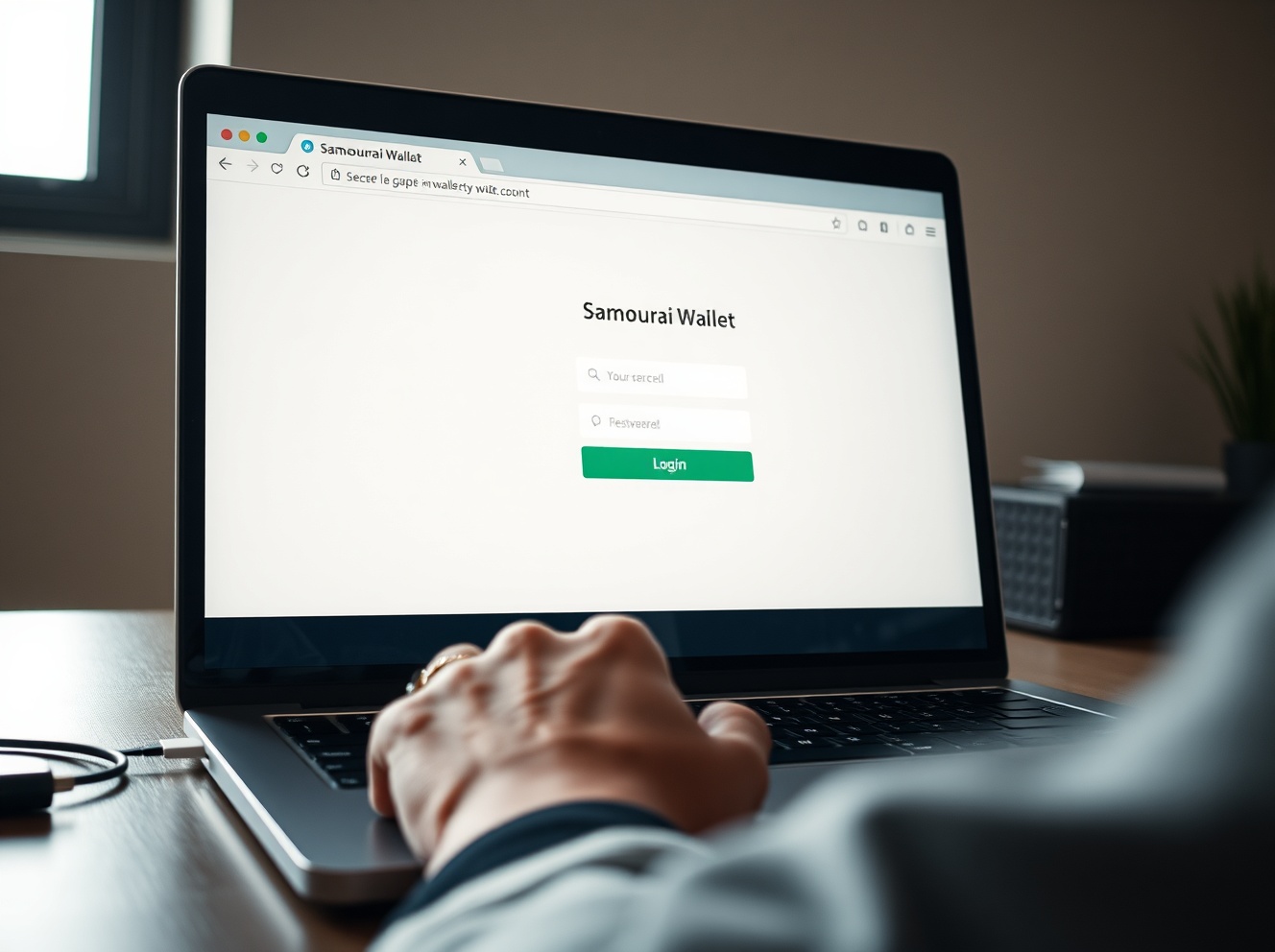
Samourai Wallet Domain Now a Dangerous Hub for Relentless BTC Phishing Attacks
In a stark warning to the cryptocurrency community, the official domain of the once-popular Samourai Wallet has transformed from a seized asset into an active platform for sophisticated BTC phishing attacks. This alarming development, first reported by Cryptopolitan in early 2025, sees a criminal organization exploiting the domain’s notoriety to deceive users and steal Bitcoin, highlighting a critical and evolving threat in digital asset security.
Samourai Wallet Domain Exploited for Criminal Activity
The U.S. Federal Bureau of Investigation (FBI) seized the Samourai Wallet domain in August 2024 as part of a broader crackdown on cryptocurrency mixing services. Authorities alleged the platform facilitated money laundering. However, the domain remained technically active under its original registrar, NameCheap. Consequently, malicious actors have now commandeered this digital real estate. They are leveraging the domain’s historical legitimacy to launch convincing phishing campaigns. These attacks specifically target individuals familiar with the Samourai brand, often those seeking privacy-focused Bitcoin tools.
This incident represents a dangerous evolution in cybercrime tactics. Attackers are no longer just creating fake lookalike domains. Instead, they are repurposing legitimate, high-profile domains that have been seized by law enforcement. This method provides an unparalleled veneer of authenticity. The domain’s history is verifiable through public seizure records, making the phishing site appear more credible to unsuspecting visitors. Security analysts note this is a calculated move to exploit user trust at its most vulnerable point.
Anatomy of the BTC Phishing Attack
The phishing scheme operates with a clear and dangerous methodology. Users who visit the seized domain are presented with a fraudulent interface mimicking a legitimate cryptocurrency wallet or recovery service. The page typically prompts visitors to enter their private keys, seed phrases, or wallet passwords under false pretenses. For instance, a page might claim to offer “wallet recovery services” for original Samourai users or promise access to “frozen funds.”
Expert Analysis on the Security Implications
Cybersecurity experts specializing in blockchain threats have analyzed this attack vector. They emphasize that the use of a seized domain bypasses common user skepticism. “Normally, users are trained to check a domain’s age and history,” explains a threat analyst from a leading blockchain security firm. “A domain with a long history, especially one tied to a real, high-profile legal case, immediately lowers guardrails. This is psychological hacking, leveraging authority and legacy against the user.” The FBI seizure notice, which may still be accessible through some archives, inadvertently adds a layer of grim legitimacy that phishers are exploiting.
The technical execution is equally concerning. Reports indicate the phishing site employs SSL certificates, making the connection appear secure with a padlock icon in the browser. Furthermore, the attackers use basic geolocation scripts to tailor content or redirect users, making the scam more persuasive. The primary goal is the irreversible theft of Bitcoin, as transactions on the blockchain cannot be undone once confirmed.
Historical Context and the Rise of Domain Seizure Exploits
The misuse of seized domains is not entirely new, but its application in the cryptocurrency space marks a significant escalation. Historically, law enforcement agencies like the FBI and ICE have seized domains used for illegal commerce, such as online marketplaces. After seizure, these domains often display a government notice. However, procedural gaps or registrar-level issues can sometimes leave domains in a technically renewable state.
Criminal organizations monitor seizure announcements closely. They identify domains with residual traffic and brand recognition. Subsequently, they attempt to regain control through social engineering attacks on registrar support staff or by exploiting outdated contact information. The Samourai Wallet case demonstrates a successful execution of this playbook. The table below outlines the key timeline:
| Date | Event |
|---|---|
| August 2024 | FBI seizes Samourai Wallet domain as part of legal action. |
| Late 2024 | Domain remains registered with NameCheap; government notice may be active. |
| Early 2025 | Malicious actors gain control and deploy phishing infrastructure. |
| February 2025 | Cryptopolitan reports active BTC phishing attacks on the domain. |
This timeline highlights a critical vulnerability in the post-seizure lifecycle of digital assets. The process highlights a need for more robust, standardized protocols between law enforcement and domain registrars to ensure seized domains are permanently deactivated or placed into an immutable holding state.
Protecting Yourself from Similar Phishing Threats
For cryptocurrency users, vigilance is the first and most important defense. Users must adopt a zero-trust approach toward any site requesting sensitive information. Key protective measures include:
- Never Enter Seed Phrases: No legitimate wallet service will ever ask for your 12 or 24-word recovery seed phrase via a website.
- Verify Official Channels: Always use official links from verified GitHub repositories, official app stores, or well-known community sources. Do not trust search engine results alone.
- Use Hardware Wallets: Conduct transactions using a hardware wallet. These devices keep keys offline and require physical confirmation, making remote phishing impossible.
- Bookmark Legitimate Sites: Bookmark the true URLs of services you use frequently to avoid typosquatting or fake domain traps.
- Check Domain Registration: Use WHOIS lookup tools to check a domain’s registration history. Recent changes or obscure registrar details can be red flags.
The Samourai incident specifically preys on users seeking privacy. It is crucial to remember that legitimate privacy tools will have transparent, community-vetted sources for their software. Official communication will never occur through a single, potentially compromised web domain.
Conclusion
The transformation of the seized Samourai Wallet domain into a hub for BTC phishing attacks is a serious development in cybersecurity. It underscores how digital assets can be weaponized long after their original purpose ends. This event serves as a powerful reminder of the persistent and innovative threats within the cryptocurrency ecosystem. Users must prioritize security fundamentals, and the industry must collaborate on better post-seizure domain management. Ultimately, the safety of Bitcoin and other digital assets depends on continuous education and proactive defense against such socially engineered attacks.
FAQs
Q1: What was Samourai Wallet, and why was its domain seized?
Samourai Wallet was a Bitcoin wallet and mixing service focused on financial privacy. The U.S. FBI seized its domain in August 2024 alleging the platform was used to launder criminal proceeds.
Q2: How are the attackers using the domain to steal Bitcoin?
They have hosted a phishing website on the domain that mimics a legitimate wallet or recovery service. The site tricks users into entering private keys, seed phrases, or passwords, which the attackers then use to drain the associated Bitcoin wallets.
Q3: Who is currently listed as the registrar for the domain?
According to reports, NameCheap is still listed as the domain registrar. The seizure by the FBI did not result in the domain’s registration being permanently locked or deleted, allowing for potential malicious re-registration.
Q4: What is the biggest red flag for this type of phishing attack?
The biggest red flag is any website, especially one with a known history like a seized domain, asking you to input your secret recovery seed phrase. A legitimate service will never request this information.
Q5: What should I do if I previously used Samourai Wallet?
If you used Samourai Wallet, ensure you are using the official, open-source software from its archived GitHub repository (if applicable for local copies) and have your seed phrase secured offline. Do not visit the old seized domain. If you entered any information on the phishing site, immediately move your funds to a new, secure wallet generated from a new seed phrase.
This post Samourai Wallet Domain Now a Dangerous Hub for Relentless BTC Phishing Attacks first appeared on BitcoinWorld.
You May Also Like

US SEC approves options tied to Grayscale Digital Large Cap Fund and Cboe Bitcoin US ETF Index

Wormhole token soars following tokenomics overhaul, W reserve launch
Wormhole’s native token has had a tough time since launch, debuting at $1.66 before dropping significantly despite the general crypto market’s bull cycle. Wormhole, an interoperability protocol facilitating asset transfers between blockchains, announced updated tokenomics to its native Wormhole (W) token, including a token reserve and more yield for stakers. The changes could affect the protocol’s governance, as staked Wormhole tokens allocate voting power to delegates.According to a Wednesday announcement, three main changes are coming to the Wormhole token: a W reserve funded with protocol fees and revenue, a 4% base yield for staking with higher rewards for active ecosystem participants, and a change from bulk unlocks to biweekly unlocks.“The goal of Wormhole Contributors is to significantly expand the asset transfer and messaging volume that Wormhole facilitates over the next 1-2 years,” the protocol said. According to Wormhole, more tokens will be locked as adoption takes place and revenue filters back to the company.Read more

