What is Moltbook? Analyzing the Viral Tech Trend Through the Lens of the "Attention Economy"
In the fast-moving world of technology, trends usually follow a predictable pattern. But Moltbook is different.
Over the last 48 hours, "Moltbook" has become the dominant keyword across X (Twitter), Reddit, and tech forums, outpacing even major AI announcements. It has transcended from a niche gadget discussion into a global cultural moment.
But for savvy investors and traders, the question isn't just "What is Moltbook?"—it is "How do I monetize this attention?"
This article breaks down the Moltbook phenomenon using institutional frameworks and shares specific strategies on how Crypto Markets (specifically on MEXC) are reacting to this liquidity event.
1. The "Moltbook" Phenomenon: Breaking the Gartner Cycle
To understand Moltbook, we must look at where it sits in the tech lifecycle.
According to the famous Gartner Hype Cycle, most new technologies go through a "Peak of Inflated Expectations." Moltbook has rocketed to this peak faster than almost any hardware/software product in 2026.
What is it? While the exact specs are being debated, the consensus is that Moltbook represents a paradigm shift in [Personal Computing / AI Interaction]. It challenges the "Walled Garden" approach of Big Tech (Apple/Google), advocating for a more open, modular, or "molting" (evolving) user experience.
The Authority View: As noted by market analysts at Bloomberg Technology, viral tech hardware often acts as a leading indicator for broader sector rotation. When a device goes viral, capital flows immediately into the underlying infrastructure (Chips, AI, Storage) that powers it.
2. The "Attention Economy": Why Crypto Reacts First
Why are crypto traders on MEXC watching a tech product launch?
Because in 2026, Attention = Liquidity. Traditional stocks (like NVIDIA or AMD) move slowly. Crypto markets move instantly.
The "GROK" Precedent: When Elon Musk announced Grok, the stock market barely moved, but AI tokens on MEXC rallied 200% in hours.
The Moltbook Effect: We are seeing the same pattern. Traders are using the Moltbook hype to bid up assets related to Decentralized Physical Infrastructure (DePIN) and AI Compute.
3. Trader’s Alpha: How to Trade a "Non-Crypto" Trend
From the Desk of a Veteran Macro Trader
I have traded every major tech narrative since 2017, from the Metaverse to ChatGPT. When a trend like Moltbook hits, most rookies lose money buying the top. Here are 3 Rules of Engagement I use to trade these events on MEXC:
Rule #1: Buy the "Beta," Not the "Alpha" (The Safe Play)
Don't just look for a token named "Moltbook" (it might be a scam). Look for the sector it benefits.
My Strategy: If Moltbook is an AI device, I go to MEXC and buy Render (RNDR) or Fetch.ai (FET). These are the "Pick and Shovel" plays. If Moltbook succeeds, the demand for AI compute explodes. This is a safer, correlation-based trade.
Rule #2: The "Honeypot" Check (The Survival Skill)
If you decide to trade a "Moltbook" meme coin, be extremely careful.
My Checklist: Before I buy any new narrative token, I check the contract on a security explorer. If the Tax is >5% or if Liquidity is Unlocked, I stay away.
Why MEXC? I prefer waiting for the token to list on MEXC New Listings. Why? Because the exchange's compliance team has already done the basic contract auditing for me. I might miss the first 10% of the pump, but I avoid 99% of the rugs.
Rule #3: The "48-Hour" Rule
Viral attention spans are short.
My Observation: Most tech memes peak within 48 hours of the first trending spike on Google Trends.
The Tip: If you are holding a narrative play, sell half your position when the topic hits the "Mainstream News" (like CNN or BBC). When your taxi driver asks about Moltbook, the top is in.
Conclusion
Moltbook is more than a gadget; it is a signal. It tells us where the world's attention is focused.
For the passive observer, it's an interesting news story. For the active trader on MEXC, it's an opportunity to apply Global Macro strategies to capture the volatility of the next big thing.
⚠️ Risk Warning
Speculative Nature: Trading based on social media trends is highly speculative. "Narrative Trading" involves betting on human psychology, which is unpredictable. Volatility: Tokens related to viral trends can experience extreme volatility (±50% daily). Always use Stop-Loss orders. Not Financial Advice: The strategies mentioned above reflect personal trading experience and do not constitute financial advice. Please conduct your own due diligence (DYOR) before trading.
Popular Articles
View More
CPI Surges, Stoking Rate Hike Fears; U.S. Treasury Yields Breach 5% to Reach 19-Year High: What’s the Market Pricing In? | MEXC Alpha Trader Research Weekly
September 2026, Week 2 Reporting Period: September 9 – September 15, 2026 Data Cutoff: September 15, 2026 Market Overview Last week, the crypto market faced sustained pressure driven by a confluence

Will Anthropic List in October? What the Polymarket Anthropic IPO Odds Say
Anthropic IPO odds are the closest thing to a listing date that anyone has right now. As of September 16, 2026, Polymarket traders price an October listing at roughly a coin flip and a 2026 listing

How Much Does the Claude API Cost? Price per Million Tokens for Every Claude Model
You have a feature that needs an AI model behind it, a rough idea of how much text it will handle, and no idea what the bill looks like. The Claude API price is quoted per million tokens, and as of
Hot Crypto Updates
View More
Seven MEXC Futures Contracts Are Being Delisted: What Should Traders Check?
MEXC has scheduled the delisting of seven USDC-M Perpetual Futures pairs for September 25, 2026, at 07:00 UTC, or 2:00 PM WIB. The affected pairs are ETHFI, SAHARA, ICNT, NEIROCTO, BOME, AEVO, and

TSMC's Big Chart Gut-Check: Breakdown or Just a Breather?
TSM 1-year price chart, up 68% over the period despite the recent pullback. Chart from TradingView. Short term signals have flipped bearish, but the long term trend has not broken yet. Taiwan

Should You Buy the NIGHT Dip? What to Check First
Overview NIGHT's sharp decline is attracting dip buyers, but a large price drop does not mean the underlying risk has been fully priced. According to CoinGecko's Midnight market data, NIGHT traded

Trending News
View More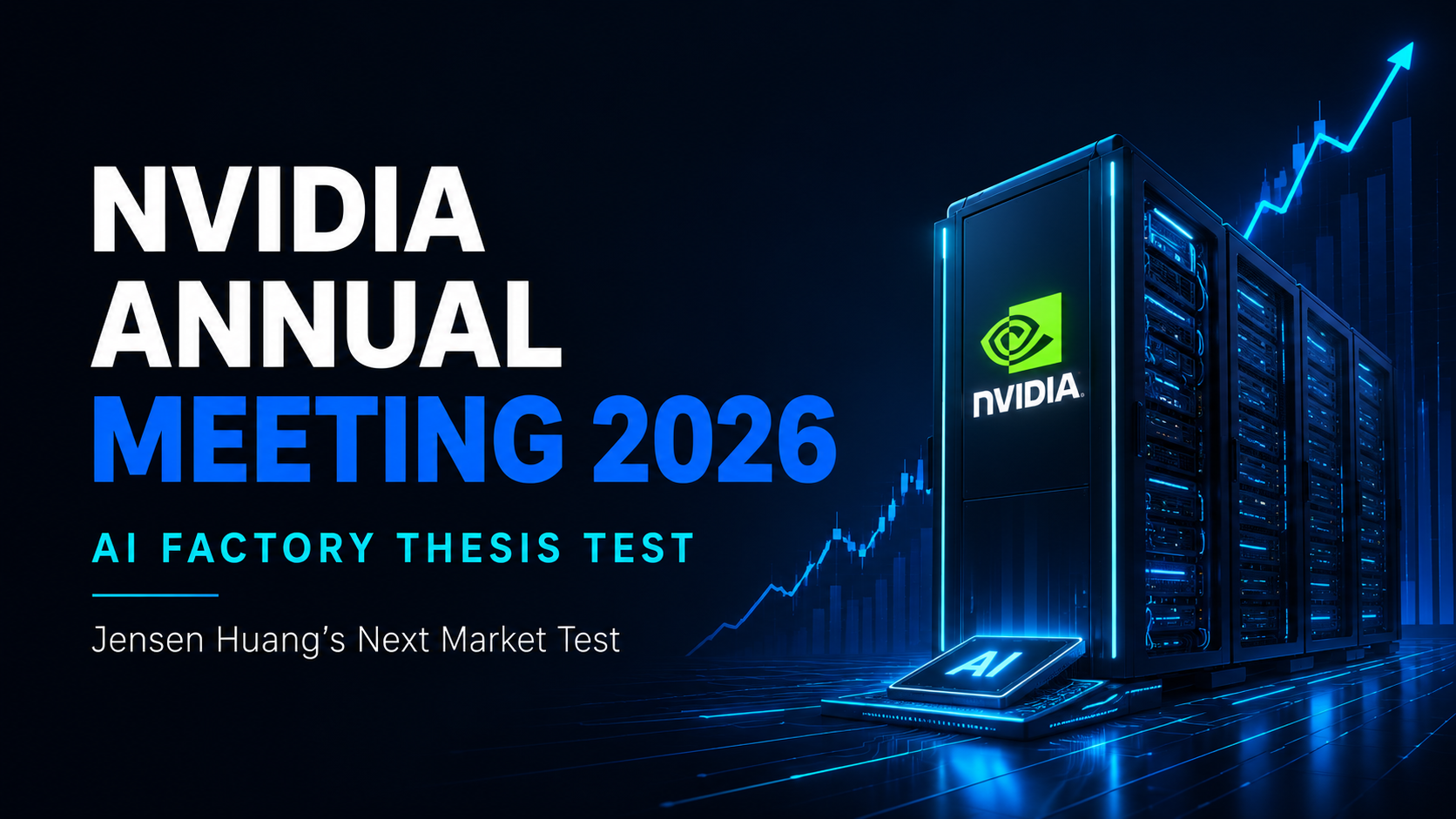
NVIDIA Annual Meeting 2026: Jensen Huang’s AI Factory Thesis Faces Its Next Market Test
NVIDIA held its 2026 Annual Meeting of Stockholders online on June 24, 2026, at 9:00 a.m. Pacific Time. The formal agenda included the election of directors, advisory approval of executive compensatio

FTIXX Lynq: Goldman's $100B Fund Connects to Crypto Rails
Goldman Sachs is making its Financial Square Treasury Instruments Fund, known by the institutional share-class ticker FTIXX, available to qualified U.S. participants through Lynq, a real-time settleme


Related Articles
View More
MEXC On-Chain Daily Report: Chainlink Connects 17 Banks for SWIFT Tokenized Deposit Pilot
Updated: September 30, 2026, 09:30 (UTC+8) | Author: MEXCHeadlinesChainlink connects 17 banks for SWIFT ledger pilotBitwise launches first U.S. spot NEAR ETF NRRRobinhood adds crypto perpetuals an

MEXC On-Chain Daily Report: Robinhood Chain Stock Tokens Reach $10.4 Billion in DEX Trading Volume Over the Past 30 Days
Updated: September 24, 2026, 09:30 (UTC+8) | Author: MEXCHeadlines MoonPay acquires North Capital for over $60 million x402 incorporates Bitcoin Lightning Network payment specifications KB Securit

MEXC On-Chain Daily Report: SoFi Uses Stablecoin Settlement for Mastercard Transactions, Annualized Volume Expected to Exceed $25 Billion
Updated: September 23, 2026, 09:30 (UTC+8) | Author: MEXCHeadlines Ondo Stocks launches on NEAR, with TVL exceeding $1 billion CFTC says markets must prepare for large-scale tokenization Circle’s