Liquidation

Liquidation occurs when a trader’s collateral is no longer sufficient to cover their leveraged position’s losses, triggering an automated forced closure by the exchange's liquidation engine. It is a critical risk-management mechanism that ensures the solvency of lending protocols and derivative platforms. In 2026, the focus has moved toward MEV-resistant liquidation models that protect users from predatory "cascades." This tag provides essential information on maintenance margins, health factors, and how to avoid liquidation in high-volatility environments.

14311 Articles
Created: 2026/02/02 18:52
Updated: 2026/02/02 18:52
$212 Million Wiped Out In An Hour

$212 Million Wiped Out In An Hour

The post $212 Million Wiped Out In An Hour appeared on BitcoinEthereumNews.com. Massive Crypto Futures Liquidation: $212 Million Wiped Out In An Hour Skip to content Home Crypto News Massive Crypto Futures Liquidation: $212 Million Wiped Out in an Hour Source: https://bitcoinworld.co.in/crypto-futures-liquidation-event/

Author: BitcoinEthereumNews
Bitcoin falls below $110K, sparking $880M in liquidations

Bitcoin falls below $110K, sparking $880M in liquidations

The post Bitcoin falls below $110K, sparking $880M in liquidations appeared on BitcoinEthereumNews.com. Key Takeaways Bitcoin fell below $110K, triggering $880M in liquidations led by ETH and BTC longs. With August closing down and September averaging nearly 4% losses, traders brace for another red month in Bitcoin. Bitcoin dropped more than 3% on Monday, falling below the $110,000 mark for the first time since early July and reaching a low of $109,450. The move sparked over $880 million in liquidations in the past 24 hours, according to CoinGlass data, including $300 million from ETH longs and $180 million from BTC longs. The decline erased all of Friday’s gains, which were fueled by Federal Reserve Chair Jerome Powell’s comments suggesting that rate cuts could be on the table at the Fed’s September meeting. Ethereum had reached a new all-time high above $4,869 on Friday and climbed near the $5K mark on Sunday, but by press time had slipped to around $4,350. Altcoins were hit even harder. Solana plunged more than 8% on the day, XRP fell 6%, and smaller tokens like PENDLE, LDO, and PENGU recorded double-digit losses, with drops of up to 13%. The downturn comes as August draws to a close, with traders eyeing September cautiously. Historically, the month has been one of the worst for Bitcoin. CoinGlass data shows BTC has closed red in eight of the past twelve Septembers, averaging a monthly loss of 3.77%. Source: https://cryptobriefing.com/bitcoin-falls-110k-liquidations/

Author: BitcoinEthereumNews
ETH Crashes 9% After ATH, Market Cap Sheds $60 billion in Hours

ETH Crashes 9% After ATH, Market Cap Sheds $60 billion in Hours

On Aug. 25, ethereum plunged to $4,352 just hours after it breached the $4,900 mark for the first time. Market cap dipped from nearly $600 billion to $529 billion. Market Pullback and Major Liquidations Hours after breaking past $4,900, Ethereum ( ETH) tumbled by nearly 7% to $4,415, causing its market capitalization, which had edged […]

Author: Coinstats
Massive Crypto Futures Liquidation: $106 Million Wiped Out in Just One Hour

Massive Crypto Futures Liquidation: $106 Million Wiped Out in Just One Hour

BitcoinWorld Massive Crypto Futures Liquidation: $106 Million Wiped Out in Just One Hour The cryptocurrency market is no stranger to dramatic swings, but recent events have sent ripples across trading desks. In a stunning display of market volatility, major exchanges witnessed a massive crypto futures liquidation event, with $106 million worth of futures contracts wiped out in just the past hour. This rapid downturn is part of an even larger trend, as a staggering $606 million in futures positions were liquidated over the last 24 hours. These figures aren’t just numbers; they represent significant capital shifts and underline the inherent risks in highly leveraged trading. What Exactly is Crypto Futures Liquidation? Have you ever wondered what happens when a trade goes terribly wrong in the crypto derivatives market? Crypto futures liquidation occurs when a trader’s leveraged position is forcibly closed by an exchange. This happens because the trader’s margin — the collateral they put up — falls below a certain level required to keep the trade open. When market prices move sharply against a trader’s position, especially with high leverage, the exchange steps in to prevent further losses for both the trader and the exchange itself. It’s a protective mechanism, albeit a painful one for the traders involved. The Scale of This Recent Crypto Futures Liquidation Event The recent figures paint a stark picture of market sentiment and rapid price action. Imagine $106 million vanishing in the blink of an eye, within a single hour. This immediate impact highlights intense selling pressure or a sudden price drop that caught many traders off guard. Moreover, the broader 24-hour total of $606 million underscores a sustained period of market instability, leading to widespread forced closures. These massive crypto futures liquidation events often signal significant shifts in market dynamics, affecting trader confidence and potentially leading to further price corrections. Why Do Massive Liquidations Occur in Crypto Futures Trading? Understanding the ‘why’ behind these liquidations is crucial for any market participant. Several factors contribute to such dramatic events: High Leverage: Traders often use high leverage, borrowing significant capital to amplify potential gains. However, this also amplifies potential losses, making positions more susceptible to liquidation with even small price movements. Market Volatility: Cryptocurrencies are notoriously volatile. Sudden news, macroeconomic shifts, or even ‘whale’ movements can trigger rapid price changes, quickly eroding margin. Cascading Effect: When initial liquidations occur, they can add selling pressure to the market, causing prices to drop further. This, in turn, triggers more liquidations, creating a “liquidation cascade” that exacerbates the downturn. Lack of Risk Management: Many traders, especially newcomers, may not employ robust risk management strategies, such as setting stop-loss orders or managing their leverage levels prudently. These elements combined create a highly sensitive environment where large-scale crypto futures liquidation can become a frequent occurrence. Navigating Volatility: Protecting Yourself from Crypto Futures Liquidation Given the inherent risks, how can traders better navigate these turbulent waters and minimize their exposure to crypto futures liquidation? Manage Leverage Wisely: Avoid excessively high leverage. While tempting, it significantly increases your risk. Understand your risk tolerance and use leverage sparingly. Implement Stop-Loss Orders: These orders automatically close your position if the price hits a predetermined level, limiting potential losses and preventing full liquidation. Diversify Your Portfolio: Do not put all your capital into highly leveraged futures contracts. Balance your portfolio with less volatile assets or spot holdings. Stay Informed: Keep abreast of market news, technical analysis, and macroeconomic indicators that could impact crypto prices. Practice Risk Management: Allocate only a small percentage of your total capital to high-risk trades. Never trade with money you cannot afford to lose. By adopting these strategies, traders can build a more resilient approach to the often-unpredictable world of crypto derivatives. The recent $106 million and $606 million crypto futures liquidation events serve as a powerful reminder of the extreme volatility and inherent risks within the cryptocurrency derivatives market. While opportunities for significant gains exist, the potential for rapid losses, especially with high leverage, is equally real. Traders must approach futures trading with caution, equipped with a solid understanding of market mechanics and robust risk management strategies. Staying informed and disciplined is key to navigating these powerful market forces. Frequently Asked Questions (FAQs) 1. What causes a crypto futures liquidation? Liquidation is triggered when a trader’s margin (collateral) falls below the maintenance level due to significant price movements against their leveraged position. 2. How can traders avoid crypto futures liquidation? Traders can minimize liquidation risk by managing leverage, setting stop-loss orders, diversifying their portfolio, staying informed, and practicing sound risk management. 3. Is crypto futures trading risky? Yes, crypto futures trading is inherently risky due to high market volatility and the use of leverage, which can amplify both gains and losses. 4. What is the difference between spot trading and futures trading? Spot trading involves buying or selling cryptocurrencies for immediate delivery, while futures trading involves contracts to buy or sell an asset at a predetermined price on a future date, often with leverage. 5. Does a liquidation event always mean the market is crashing? Not necessarily. While large liquidation events often accompany significant price drops, they can also occur during rapid upward movements (short liquidations). They indicate high volatility rather than a guaranteed crash. If you found this analysis helpful, please share it with your trading community on social media. Understanding market dynamics is crucial for everyone in crypto! To learn more about the latest crypto market trends, explore our article on key developments shaping cryptocurrency price action. This post Massive Crypto Futures Liquidation: $106 Million Wiped Out in Just One Hour first appeared on BitcoinWorld and is written by Editorial Team

Author: Coinstats
Bitcoin (BTC) Price Today: Bitcoin Struggles as Whale Selling Overshadows Fed Rate Cut Optimism

Bitcoin (BTC) Price Today: Bitcoin Struggles as Whale Selling Overshadows Fed Rate Cut Optimism

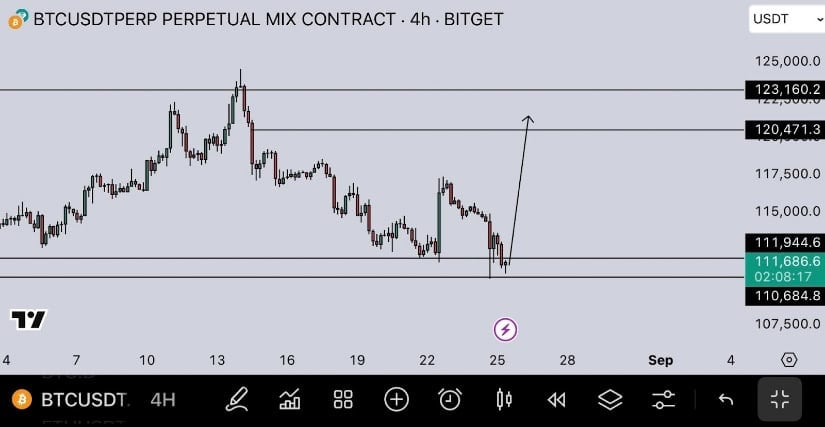
Bitcoin price today remains under heavy pressure, trading near $111,500–$112,700 after a weekend flash crash wiped billions from the crypto market.

Author: Brave Newcoin
Cap Labs attracts capital with EigenLayer-backed credit model

Cap Labs attracts capital with EigenLayer-backed credit model

The post Cap Labs attracts capital with EigenLayer-backed credit model appeared on BitcoinEthereumNews.com. Cap Labs’ new stablecoin cUSD has seen rapid adoption since launch, climbing to $67.85 million in circulation over the past week, according to DefiLlama.  Etherscan shows 2,735 holders of the token to date. The jump signals strong demand for Cap’s yield-layered digital dollar model, which combines regulated reserve assets with EigenLayer-powered credit underwriting. Built atop the newly launched Cap Stablecoin Network (CSN), cUSD is designed as a 1:1 redeemable stablecoin backed by assets like PayPal’s PYUSD, BlackRock-managed BUIDL, and Franklin Templeton’s BENJI. The yield-bearing version stcUSD — minted by staking cUSD — is enabled by a three-party system of lenders, operators, and restakers. Cap’s core innovation lies in its structure: operators borrow stablecoins to deploy yield strategies, restakers underwrite the operator’s credit risk, and lenders (stcUSD holders) earn a floating yield, currently around 12%, depending on market demand and operator performance. While restaker collateral provides protection against operator default, stcUSD holders are still exposed to fluctuating yield dynamics. cUSD’s impressive growth; Source: DefiLlama Unlike many past stablecoin launches, Cap’s model is carefully tuned to comply with the GENIUS Act, the sweeping US stablecoin legislation that prohibits interest-bearing payment tokens. Speaking at the Stablecoin Summit in Cannes in June, Cap Labs founder Benjamin Lens was blunt: “They said no yield, and it’s pretty clear — there’s no way around it. They do not want stablecoins giving yield to retail investors,” Lens said. Thus, stcUSD is a separate ERC-4626 vault token, which users can mint by staking cUSD. The yield is generated through a marketplace of borrowing and restaking, not directly from Cap Labs. “Genius Act covers companies that are generating yield on behalf of users and giving them to the users,” Lens said in Cannes, whereas Cap is “an immutable open protocol like Ethereum, like Bitcoin.” Combined with the fact that…

Author: BitcoinEthereumNews
Bitcoin Boom Could Send Strategy Stock Soaring, XRP Lawyer Claims

Bitcoin Boom Could Send Strategy Stock Soaring, XRP Lawyer Claims

John Deaton, the well-known attorney from the XRP community, believes the company’s shares could break out in spectacular fashion if […] The post Bitcoin Boom Could Send Strategy Stock Soaring, XRP Lawyer Claims appeared first on Coindoo.

Author: Coindoo
Bitcoin Slides on $2.7 Billion Whale Sell-off as ETH Rotation Gains Steam

Bitcoin Slides on $2.7 Billion Whale Sell-off as ETH Rotation Gains Steam

The post Bitcoin Slides on $2.7 Billion Whale Sell-off as ETH Rotation Gains Steam appeared on BitcoinEthereumNews.com. Bitcoin’s brief post-Jackson Hole rally collapsed after a major wallet offloaded 24,000 BTC, triggering a $500 million liquidation cascade. Meanwhile, ether outperformed as institutional flows rotated into ETH. Bitcoin Loses Ground to Ethereum After Jackson Hole Shock The momentum generated on bitcoin’s spot price movement stalled sharply over the weekend after a legacy holder reportedly […] Source: https://news.bitcoin.com/bitcoin-slides-on-2-7-billion-whale-sell-off-as-eth-rotation-gains-steam/

Author: BitcoinEthereumNews
Bitcoin’s $115K Support Just Failed: What I’m Watching Next

Bitcoin’s $115K Support Just Failed: What I’m Watching Next

Bitcoin broke key $115K support triggering bear market signals. I analyze the next critical levels and share my trading strategy.Continue reading on Coinmonks »

Author: Medium
Bitcoin Targets $120,000 as Metaplanet Expands Holdings Despite Price Dip

Bitcoin Targets $120,000 as Metaplanet Expands Holdings Despite Price Dip

Bitcoin is facing some slight downward pressure, yet institutional interest remains strong. Metaplanet continues to expand its holdings, signaling long-term confidence. Analysts note that a stable support level could spark the next upward move. At the time of writing, Bitcoin is trading at $112,516 with a 24-hour trading volume of $62.06 billion and a market […]

Author: Tronweekly